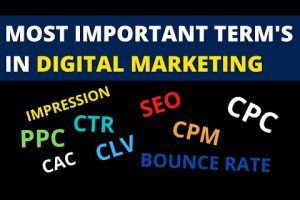
Navigating the ever-evolving digital landscape requires more than just a solid product or a visually appealing website; it demands a precise keyword strategy that connects your brand with eager buyers actively searching for solutions. If you are looking for a comprehensive digital marketing keywords list, you have come to the right place. Understanding the specific terminology and targeting the right search queries can make or break your online visibility. Whether you are just starting out or scaling an existing empire, mastering these terms is the cornerstone of driving qualified traffic and maximizing your return on investment. The right approach transforms random clicks into loyal customers, making every ounce of your marketing budget count toward sustainable, long-term growth rather than short-lived spikes in traffic.
The Foundation: Essential Digital Marketing Keywords for Beginners
Before diving into complex algorithms and advanced analytics, you need to grasp the fundamental building blocks of online visibility. A beginner-friendly digital marketing keywords list starts with the core concepts that dictate how search engines understand and rank your content. These terms are not just industry jargon; they represent the actual queries your potential customers type into search engines every single day. By focusing on these foundational elements, you establish a solid baseline that supports all future growth and ensures you are not wasting resources on terms that do not align with your business objectives.
Search Intent and User Queries

Understanding search intent is crucial for any keyword strategy framework. When building your PPC keyword targeting or SEO content plan, you must align your pages with what users actually want at any given moment. Are they looking to buy something right now, or are they simply seeking information to solve a problem? Matching your content to this intent is the first step toward ranking well and capturing the attention of qualified leads who are genuinely interested in what you have to offer.
- Short-tail keywords: Broad, highly searched terms like “digital marketing” or “SEO tools” that drive massive traffic but face intense competition and vague user intent.
- Long-tail keywords: Specific, lower-volume phrases like “best digital marketing strategies for small businesses” that convert at higher rates because they target a precise audience.
- Transactional keywords: Terms indicating a clear readiness to purchase, such as “buy running shoes online” or “subscribe to a streaming service,” signaling bottom-of-funnel intent.
Intermediate Keyword Strategy: Expanding Your Reach
Once you have mastered the basics, it is time to refine your approach and move beyond generic terms. Moving away from broad phrases allows you to capture highly qualified leads who are actively seeking your specific solutions. This stage of the digital marketing keywords list focuses on nuanced targeting and competitor analysis. By utilizing advanced keyword research tools like Ahrefs or SEMrush, you can uncover gaps in the market that your competitors are currently missing. This strategic advantage allows you to rank faster and capture market share without spending a fortune on advertising.
Competitor Keyword Analysis and Gap Filling
Using sophisticated platforms to spy on what keywords drive traffic to your competitors is where competitor keyword analysis becomes your secret weapon. Instead of guessing which terms might work, you can model your content and ad strategies around proven terms that generate high engagement but low competition. This approach saves time and budget, letting you capitalize on existing demand rather than trying to create it from scratch.
- Identify your top three competitors in the specific niche you are targeting and analyze their top-performing content.
- Use a keyword explorer tool to pull their top-performing organic search terms and filter out irrelevant categories.
- Filter out the terms they rank for, but you do not currently own, focusing on those with manageable keyword difficulty.
- Create superior, comprehensive content targeting these high-opportunity terms to outrank the competition and earn authoritative backlinks.

Advanced Keyword Optimization and Technical Nuances
For seasoned marketers, simply finding keywords is not enough. You must optimize for search engine optimization best practices and ensure your keyword strategy framework supports your broader business goals. This involves understanding search volume trends, keyword difficulty metrics, and user behavior patterns to prioritize your efforts effectively. At this advanced level, you are building topical authority and ensuring your entire site structure reinforces your primary targets, creating a cohesive web of interrelated content that search engines love to crawl and index.
High-Performing Marketing Keywords for 2024 and Beyond
The digital marketing keywords list evolves constantly as search engine algorithms adapt to new technologies and user behaviors. Voice search optimization and conversational AI queries are reshaping how people interact with search engines on both mobile and desktop devices. To stay ahead of the curve, you must target high-performing marketing keywords that reflect these emerging search behaviors and align with the way people naturally speak and ask questions rather than just typing fragmented strings of words.
| Keyword Category | Example Terms | Application |
| Voice Search Queries | How to improve website speed, Where to buy local organic produce near me | Featured snippets, conversational content creation |
| AI-Generated Intent | AI marketing tools, automated SEO techniques for small teams | Tech-focused blog posts, software comparison reviews |
| Semantic Clusters | Content marketing, blog writing strategies, email campaign automation | Topic authority building, strategic internal linking |
Practical Recommendations and Expert Tips
Knowledge is only powerful when applied correctly. Here are some expert tips to ensure your digital marketing keywords list translates into real-world results. Focus on creating a cohesive ecosystem where every piece of content serves a specific purpose within your broader keyword strategy framework. Do not just chase vanity metrics like raw traffic volume; chase relevance and user satisfaction above all else.
Map Keywords to the Buyer’s Journey: Top-of-funnel queries need informational content that educates and builds trust, while bottom-of-funnel terms require direct calls to action and optimized product pages. Monitor Keyword Difficulty Scores: Do not waste time chasing terms dominated by authority sites when you are just starting out; instead, find the sweet spot between search volume and competition to win quick victories. Update and Refresh Your Content: Search intent changes over time, so revisit your keyword research quarterly to ensure your content remains relevant and continues to satisfy user queries effectively.
Conclusion
Building a successful online presence starts with a meticulously curated digital marketing keywords list. From foundational search intent principles to advanced competitor gap analysis, the right keywords act as the bridge between your brand and your ideal audience. By consistently applying these strategies, you will not only improve your search rankings but also drive meaningful, revenue-generating traffic to your website. Start refining your keyword strategy today, and watch your digital presence flourish as you connect with the right people at exactly the right moment in their buying journey.
Frequently Asked Questions
What are the most important SEO keywords for digital marketing beginners? For beginners, the most important SEO keywords for digital marketing include long-tail phrases with low competition, such as “how to start email marketing” or “basic social media strategy tips.” These terms allow new websites to rank higher quickly and attract initial organic traffic without competing against massive industry giants who dominate the first page of search results.
How do you find high-volume digital marketing keywords? You find high-volume digital marketing keywords by utilizing premium keyword research tools like Ahrefs, SEMrush, or Google Keyword Planner. Focus on terms with high search volume but manageable keyword difficulty, ensuring you can actually compete for the top spots on the search engine results page and attract consistent click-through rates from users looking for actionable solutions.
Why is PPC keyword targeting different from organic SEO terms? PPC keyword targeting focuses on transactional and commercial intent terms where the user is ready to spend money immediately, whereas organic SEO terms often target informational and navigational queries instead. While SEO builds long-term authority and sustainable growth over time, PPC delivers immediate, paid visibility for high-converting phrases that drive instant revenue and measurable return on ad spend.
What are semantic keyword variations and why do they matter? Semantic keyword variations are related terms and phrases that search engines use to understand the context of your content beyond exact-match phrases. They matter because modern search algorithms prioritize topically relevant content over exact-match keywords, allowing you to rank for a broader range of queries and establish yourself as a true thought leader in your specific niche.
How often should I update my digital marketing keyword strategy? You should update your digital marketing keyword strategy at least quarterly to stay ahead of the curve. Search trends, consumer behavior, and competitor tactics change frequently, so regular audits ensure your content remains aligned with current search intent and continues to leverage high-performing marketing keywords effectively to maintain your competitive edge.