


In today’s hyper-connected retail and urban landscape, the advertising led display screen has become the backbone of modern visual marketing campaigns. Whether you are a business owner looking to capture foot traffic on a busy high street or a media buyer planning a citywide digital campaign, understanding the capabilities, types, and strategic advantages of LED display technology is essential. Unlike traditional static banners or printed posters, LED screens deliver vibrant, high-resolution content that commands attention in any environment. This comprehensive guide covers everything you need to know — from the fundamental types and specifications to expert buying tips, maintenance best practices, and actionable strategies that maximize your return on investment.
What Is an Advertising LED Display Screen?
An advertising LED display screen is a large-format, light-emitting diode panel designed specifically to showcase promotional content, video advertisements, real-time information, and brand messaging in commercial and public spaces. These screens use clusters of individually addressable LEDs to produce bright, high-contrast visuals that remain visible even under direct sunlight. Unlike LCD or projection-based alternatives, LED displays offer superior brightness levels, wider viewing angles, and exceptional durability, making them the preferred choice for outdoor digital signage and indoor retail environments alike.
The technology behind LED advertising screens has evolved dramatically over the past decade. Modern panels now support ultra-fine pixel pitches, seamless video wall configurations, and advanced processor-based content management systems. This means advertisers can deliver stunning 4K-quality visuals, real-time social media feeds, and interactive touch-based experiences that simply were not possible with older display technologies.
Types of Advertising LED Display Screens
Not all LED advertising displays are created equal. The right choice depends heavily on your environment, viewing distance, budget, and content strategy. Below are the most common categories that dominate the current market.
Indoor LED Advertising Screens
Indoor LED advertising screens are engineered for controlled lighting environments such as shopping malls, airports, corporate lobbies, and restaurants. They typically feature finer pixel pitches — ranging from P1.5 to P4 — which ensures razor-sharp image quality at closer viewing distances. Indoor screens are slimmer, lighter, and often designed with modular frames that blend seamlessly into interior décor. Many modern indoor units also offer high refresh rates, making them ideal for broadcasting smooth video content and live streams.
Outdoor LED Billboard Screens
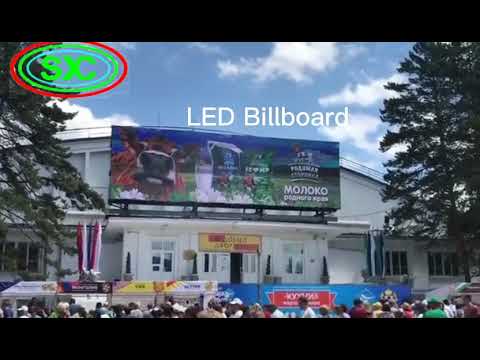
Outdoor LED billboard screens are built to withstand harsh weather conditions including rain, dust, extreme heat, and sub-zero temperatures. These displays feature pixel pitches typically between P3 and P10, with brightness levels exceeding 6,000 nits to remain clearly readable under direct sunlight. Outdoor advertising LED screens are commonly deployed along highways, in stadium venues, at transit hubs, and in urban commercial districts. Their rugged construction and weatherproof IP ratings (usually IP65 or higher) ensure long-term reliability in demanding environments.
Transparent LED Displays
Transparent LED screens represent one of the most exciting innovations in digital advertising. These displays allow light to pass through the panel while simultaneously projecting vivid content, making them ideal for storefront windows, museum exhibits, and glass-fronted retail spaces. Transparent LED advertising screens create a “holographic” effect that draws customers inside without obstructing the view of products on display.
Flexible and Curved LED Video Walls
Flexible LED panels can be bent, wrapped, and mounted onto curved surfaces, opening up creative possibilities for architectural integration. Curved advertising LED display screens are increasingly popular in immersive brand experiences, trade show booths, and premium retail environments where standing out from the competition matters.
Key Features and Specifications to Consider
When evaluating an advertising LED display screen for purchase or lease, several technical specifications directly impact performance and visual impact:
- Pixel Pitch: The distance between individual LED clusters. Smaller pixel pitches deliver sharper images at close range, while larger pitches are suited for long-distance viewing.
- Brightness (Nits): Measured in candelas per square meter. Outdoor screens require a minimum of 5,000–7,000 nits; indoor screens perform well at 800–1,500 nits.
- Refresh Rate: Higher refresh rates (3,840 Hz or above) eliminate flickering and ensure smooth video playback, especially when viewed through cameras.
- IP Rating: Indicates ingress protection against dust and moisture. Outdoor installations demand IP65 or higher.
- Viewing Angle: Wide viewing angles (140°–160°) ensure content remains visible from multiple positions.
- Content Processing: Built-in media players, Wi-Fi connectivity, and cloud-based content management systems simplify campaign scheduling and remote updates.
How to Choose the Right LED Display for Advertising
Selecting the right display requires balancing technical requirements with business objectives. Here is a practical decision-making framework:
- Define your audience and location: Are viewers passing by quickly in a vehicle, or standing still in a mall? Viewing distance dictates pixel pitch and screen size.
- Assess the environment: Indoor climate-controlled spaces have different requirements than exposed outdoor installations.
- Set a realistic budget: Consider not just the initial hardware cost but also installation, content creation, ongoing maintenance, and electricity consumption.
- Evaluate content compatibility: Ensure the screen supports your preferred file formats, resolution, and scheduling software.
- Prioritize reliability and warranty: Look for manufacturers offering at least a two-year warranty with accessible spare parts and local technical support.
Expert tip: Always request a site survey before committing to a purchase. Professional installation teams can assess structural support, electrical capacity, and sightline optimization — factors that significantly affect long-term performance.

Top Applications of LED Advertising Screens
The versatility of LED display technology means it fits into a remarkably wide range of advertising scenarios:

- Retail storefronts: Window displays and indoor promotional screens drive impulse purchases and increase dwell time.
- Transportation hubs: Airports, train stations, and bus terminals use LED screens for wayfinding, brand partnerships, and scheduled announcements.
- Hospitality venues: Hotels, stadiums, and entertainment complexes deploy large-format LED walls for event promotion and live broadcasting.
- Corporate campuses: Companies use indoor LED displays for internal communications, employee engagement, and brand storytelling.
- Automotive showrooms: High-brightness LED screens showcase vehicle features with cinematic video quality.
- Quick-service restaurants: Digital menu boards powered by LED technology increase order accuracy and upsell opportunities.
Benefits of LED Advertising Displays vs. Traditional Media
Understanding why businesses are replacing traditional advertising methods with LED technology helps justify the investment:
| Feature | LED Display Screen | Traditional Print/Banner |
| Content Flexibility | Instant updates, multiple campaigns per day | Static, requires reprinting |
| Visibility | High brightness, works day and night | Limited by lighting conditions |
| Lifespan | 50,000–100,000 hours | Days to weeks |
| Engagement | Video, animation, interactive content | Static imagery only |
| Cost Per Impression | Lower over time, reusable hardware | Recurring printing costs |
| Environmental Impact | Reduced paper waste, energy-efficient LEDs | Print waste, disposal concerns |
LED Display Screen Maintenance Tips
Even the highest-quality advertising LED display screen requires routine care to maintain peak performance and extend its operational lifespan:
- Regular cleaning: Use a soft, anti-static cloth and approved cleaning solutions to remove dust from panels and ventilation vents. Never use abrasive materials.
- Firmware and software updates: Keep the control system and media player software up to date to benefit from performance improvements and security patches.
- Temperature and ventilation management: Ensure adequate airflow around the screen. Overheating is one of the leading causes of premature LED degradation.
- Scheduled inspections: Check for dead pixels, color uniformity issues, and loose connections at least once a month.
- Power surge protection: Use industrial-grade surge protectors and uninterruptible power supplies to safeguard sensitive LED components from electrical damage.
Conclusion
The advertising LED display screen represents one of the most powerful and versatile tools available to modern marketers. From eye-catching outdoor billboards to elegant indoor retail displays, LED technology delivers unmatched visual impact, operational flexibility, and long-term cost efficiency. By understanding the different types, specifications, and strategic considerations outlined in this guide, you are well-equipped to make informed decisions that elevate your brand’s visibility and engagement. Whether you are launching your first digital signage campaign or scaling an existing network of LED screens, the key is to align technology with your audience, environment, and content strategy. Invest wisely, maintain consistently, and let the display do the talking.
Frequently Asked Questions (FAQ)
What is the ideal pixel pitch for an advertising LED display screen in a retail store?
For indoor retail environments where viewers are typically within 2 to 5 meters of the screen, a pixel pitch between P1.8 and P3 delivers excellent image clarity without unnecessary cost. Finer pitches like P1.5 are ideal for premium flagship stores where close-up viewing is expected, while P3.9 or P4 offers a cost-effective solution for larger walls where viewing distance is greater.
How much does an outdoor LED billboard advertising screen cost to install?
Installation costs vary significantly based on screen size, pixel pitch, and mounting complexity. A standard outdoor LED billboard measuring approximately 3 meters by 6 meters with a P6 pixel pitch typically ranges from $15,000 to $40,000 for hardware alone, with professional installation adding an additional $3,000 to $8,000 depending on structural requirements and regional labor costs.
Can an advertising LED display screen run content automatically without manual intervention?
Absolutely. Most modern LED advertising screens come equipped with built-in media players or are compatible with cloud-based content management platforms. These systems allow you to schedule playlists, set time-based campaigns, and push content updates remotely from any internet-connected device, enabling fully automated operation around the clock.
What is the average lifespan of an advertising LED display screen?
Commercial-grade LED display screens are designed to operate for 50,000 to 100,000 hours, which translates to roughly 10 to 20 years of typical daily use (10–12 hours per day). Brightness degradation is gradual, and most manufacturers guarantee that the screen will maintain at least 50% of its original brightness at the end of its rated lifespan.
Are LED advertising screens energy-efficient compared to other display types?
Yes. Modern LED advertising screens consume significantly less power per square meter than older technologies like LCD or plasma displays, especially at larger sizes. Many outdoor LED panels feature automatic brightness adjustment sensors that reduce power consumption during nighttime hours, further lowering electricity costs and extending the display’s operational life.