


Social media advertising has fundamentally transformed how brands connect with their audiences in the digital age. Whether you are a small business owner just beginning your online marketing journey or a seasoned digital marketer managing enterprise-level campaigns, understanding how to create, target, and optimize an ad for social media is no longer optional—it is essential. Paid social campaigns now account for a massive share of digital advertising budgets worldwide, and the data consistently shows that businesses investing in social ad strategies see measurable returns in brand awareness, customer acquisition, and revenue generation. In this comprehensive guide, we will walk through everything you need to know about social media advertising, from foundational concepts to advanced optimization techniques that separate average campaigns from truly high-performing ones.
What Is a Social Media Ad?
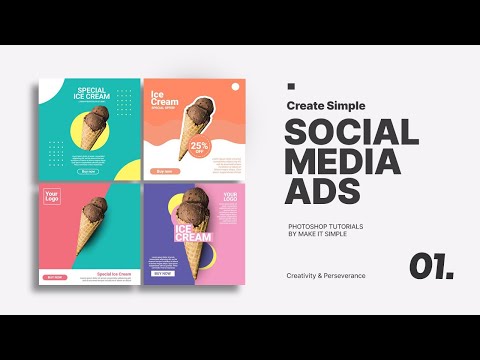
A social media ad is a paid promotional message placed within a social networking platform to reach a specific audience. Unlike organic content, which depends on algorithmic visibility and user sharing, paid social ads give you direct access to targeting tools, placement controls, and performance analytics. These ads appear in feeds, stories, reels, sidebars, and between native content across platforms like Meta, LinkedIn, TikTok, X (formerly Twitter), Pinterest, and Snapchat. The core idea is simple: you pay to have your message shown to people who are most likely to engage, convert, or take a desired action. Understanding the mechanics behind each platform’s ad system is the first step toward running campaigns that actually deliver results.
Why Social Media Advertising Matters for Businesses
The shift from traditional advertising to digital and social-first marketing is not slowing down. Consumers spend an average of two to three hours daily on social platforms, making these environments incredibly valuable for advertisers. Social media advertising allows businesses of every size to compete with larger players by reaching precisely defined audiences without wasting budget on irrelevant impressions.
Key Benefits of Paid Social Advertising
- Precise Audience Targeting: Social platforms collect rich behavioral, demographic, and interest data, allowing you to narrow your audience down to specific personas.
- Scalable Budgets: You can start with as little as a few dollars per day and scale up once you identify winning combinations of creatives and targeting.
- Real-Time Performance Tracking: Every impression, click, and conversion is tracked, giving you transparent data to refine your approach continuously.
- Diverse Ad Formats: From short-form video to carousel images to sponsored stories, the variety of formats keeps your brand visually engaging.
- Retargeting Capabilities: Re-engage users who previously visited your website or interacted with your content, dramatically improving conversion rates.
Choosing the Right Platform for Your Ad Campaigns
Not every social platform suits every business. The key is matching your target audience’s habits with the right platform’s user base and ad capabilities. Before committing budget, consider where your ideal customers spend their time online, what type of content they consume, and which ad formats align with your marketing goals. Below is a comparison of major platforms to help you decide where to invest your paid social efforts.
Platform Comparison Table
| Platform | Primary Audience | Best Ad Formats | Ideal For |
| Meta (Facebook & Instagram) | Ages 25–55, broad interests | Image, video, carousel, stories, reels | E-commerce, local businesses, B2C brands |
| TikTok | Ages 16–34, trend-driven | Short video, in-feed, branded effects | Consumer brands, creators, viral campaigns |
| Professionals, B2B decision-makers | Sponsored posts, message ads, document ads | SaaS, recruitment, professional services | |
| Planners, DIY enthusiasts, shoppers | Promoted pins, video pins | Retail, home décor, fashion, travel | |
| X (Twitter) | News consumers, tech enthusiasts | Promoted tweets, trending hashtags | News, entertainment, tech brands |
Step-by-Step Guide to Creating Effective Social Media Ads
Building a successful ad campaign requires a structured approach. Whether you are just getting started or looking to refine your existing strategy, following a clear process ensures you maximize every dollar spent on social advertising.
Beginner-Level Tips to Get Started
- Define a Single Goal: Choose one primary objective—awareness, traffic, or conversions—and align your entire campaign around it.
- Know Your Audience: Use platform-native audience insights tools to understand your ideal customer’s age, location, interests, and behaviors.
- Create Simple, Compelling Creatives: A clear image with concise, action-oriented text often outperforms overly complex designs.
- Set a Daily Budget: Start small—$10 to $20 per day—so you can test without significant financial risk.
- Monitor and Adjust Weekly: Check your metrics at least once a week and pause underperforming ads while scaling winners.
Intermediate Strategy Building
Once you have run a few campaigns and gathered data, it is time to level up. A/B testing your ad creatives, headlines, and call-to-action buttons is one of the most effective intermediate tactics. Create at least two variations of each element and let the platform’s algorithm determine which performs better. Additionally, start building custom audiences based on website visitors, email lists, and engagement data. Social media retargeting campaigns, where you show ads to people who have already interacted with your brand, consistently yield higher conversion rates than cold audiences. Consider also experimenting with lookalike audiences, which use your existing customer data to find new users with similar profiles.

Advanced Optimization Tactics
For experienced marketers, the focus shifts to granular optimization and automation. Implement conversion tracking pixels across your website to capture post-click behavior accurately. Use sequential retargeting, where users see a series of ads designed to move them from awareness to consideration to purchase. Leverage machine learning bidding strategies such as cost-per-acquisition (CPA) or return-on-ad-spend (ROAS) to let algorithms optimize for your business outcomes automatically. Finally, integrate your social ad data with customer relationship management (CRM) tools to build closed-loop attribution and understand the full customer journey from first ad impression to lifetime value.
Types of Social Media Ad Formats That Drive Results
The format you choose for your social media ad has a direct impact on engagement and performance. Here are the most effective formats currently dominating the landscape:
- Video Ads: Short-form videos under 30 seconds consistently generate the highest engagement rates, especially on TikTok and Instagram Reels. Native-feeling video content that entertains or educates before selling tends to outperform polished commercials.
- Carousel Ads: These allow you to showcase multiple products or features in a single ad unit, increasing dwell time and click-through rates. E-commerce brands use carousels extensively to display product lines.
- Story Ads: Full-screen, vertically oriented ads that appear between user stories. These formats feel immersive and personal, making them ideal for behind-the-scenes content and limited-time offers.
- Sponsored Posts: Native ads that blend seamlessly into a user’s feed. When designed to look like organic content, sponsored posts generate higher trust and lower ad fatigue.
- Lead Generation Ads: Pre-filled forms embedded directly within the platform, reducing friction and increasing lead capture rates without requiring users to leave the app.
Frequently Asked Questions
How much does it cost to run an ad for social media?
Costs vary widely depending on the platform, industry, and targeting specificity. Meta ads typically range from $0.50 to $3.50 per click, while LinkedIn campaigns can cost $5 to $15 per click due to the professional audience. The key is to start with a test budget, measure your cost per result, and scale what works. Your return on ad spend matters far more than the raw cost of impressions or clicks.
What is the best social media platform for small businesses?
For most small businesses, Meta platforms (Facebook and Instagram) offer the best balance of reach, targeting precision, and affordability. Instagram is particularly effective for visual products and lifestyle brands, while Facebook remains powerful for local businesses targeting community-based audiences. TikTok has also emerged as a cost-effective option for brands targeting younger demographics.
How long does it take to see results from social media advertising?
You can typically gather meaningful data within three to seven days of launching a campaign. However, algorithms usually need a learning phase of at least 50 to 100 conversions before they fully optimize delivery. Avoid making drastic changes during the first week—let the platform collect enough data to learn what works before tweaking your approach.
What is the difference between organic social media and paid social advertising?
Organic social media refers to free content posted on your profiles, which reaches followers and potentially anyone who discovers it through shares or algorithmic recommendations. Paid social advertising, on the other hand, involves spending money to place your message in front of a targeted audience beyond your existing followers. The two strategies work best when combined—organic content builds trust and community, while paid ads amplify your reach to new prospects.
How do I measure the success of my social media ad campaigns?
Success depends on your campaign objective. For awareness campaigns, track impressions and reach. For traffic campaigns, monitor click-through rate and website visits. For conversion campaigns, focus on cost per acquisition, return on ad spend, and total conversions. Set up conversion tracking pixels and use platform analytics dashboards to build a complete picture of your campaign performance over time.
Can I run social media ads without a large budget?
Absolutely. Many successful social media advertising campaigns have been launched with daily budgets as low as $5 to $10. The key is hyper-targeted messaging, creative relevance, and disciplined testing. A small budget forces you to be strategic about every dollar, which often leads to better creative quality and more focused audience targeting than large, unfocused spend.
Conclusion
Social media advertising is one of the most powerful tools available to businesses today. The combination of precise audience targeting, diverse ad formats, and real-time performance data makes paid social campaigns uniquely positioned to deliver measurable results. Whether you are taking your first steps into the world of social ads or refining an existing strategy, the principles remain the same—know your audience, create compelling content, test relentlessly, and optimize based on data. By following the framework outlined in this guide, you will be well-equipped to build campaigns that not only reach the right people but also drive meaningful business outcomes. The social advertising landscape will continue to evolve, but the fundamentals of strategic thinking and audience-centric creativity will always remain at the core of successful campaigns.