


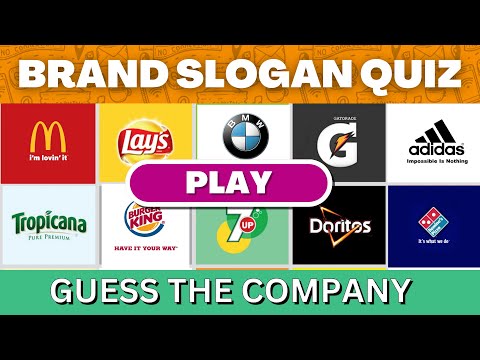
When you think about the brands you trust most, chances are a specific phrase pops into your head almost instantly. Nike says “Just Do It.” Apple whispers “Think Different.” These aren’t just clever phrases — they’re advert slogans engineered to live rent-free in your memory. An advert slogan is far more than a marketing tagline; it’s the distilled essence of a brand’s identity, values, and promise, compressed into just a handful of words. Whether you’re a startup founder building your first campaign or a seasoned marketing director overseeing a global rebrand, understanding what makes an advert slogan genuinely effective can mean the difference between a campaign that fades into obscurity and one that echoes in culture for decades. In this deep dive, we’ll unpack everything from the psychology behind memorable phrases to practical techniques for writing advertising slogans that actually convert audiences into loyal customers.
What Are Advert Slogans and Why They Matter
An advert slogan is a short, memorable phrase used in marketing campaigns to communicate a brand’s core message. Unlike product descriptions or feature lists, a slogan captures emotion, identity, and promise in a single breath. The best catchy slogans work because they tap into something universal — aspiration, belonging, humor, or urgency — while remaining uniquely tied to the brand that owns them.
So why do slogans matter so much in advertising? Consider these critical factors:
- Instant Brand Recall: Studies show that people remember slogans long after they forget specific ad visuals or product features. A well-crafted memorable brand slogan triggers immediate brand recognition.
- Emotional Connection: The most effective advertising slogans don’t just inform — they make the audience feel something. Emotion drives purchasing decisions far more than logic alone.
- Competitive Differentiation: In crowded markets, a distinctive slogan helps your brand stand apart from competitors who may offer similar products or services.
- Campaign Cohesion: A strong slogan serves as an anchor across every touchpoint — from social media posts to billboards to packaging design.
The Anatomy of a Powerful Advert Slogan
Crafting an advertising slogan that resonates requires understanding its core components. Not every memorable phrase is built the same way, but the most enduring famous advert slogans tend to share several key characteristics.
Key Elements That Make a Slogan Stick
Before you start brainstorming phrases, let’s break down what separates forgettable lines from ones people tattoo on their backpacks.
- Brevity: The shortest effective advertising slogans clock in at just two to five words. Brevity forces clarity — you can’t hide behind vague language when every syllable counts.
- Rhythm and Sound: Alliteration, internal rhyme, and rhythmic cadence make slogans easier to recall. Think “Maybe she’s born with it” — the musicality of that phrase is entirely intentional.
- Emotional Resonance: The best memorable brand slogans connect to a feeling rather than a feature. Nike doesn’t sell shoes in its advert slogan; it sells determination.
- Uniqueness: Your slogan must be distinctly yours. Generic phrases blend into the noise and get forgotten within seconds.
- Authenticity: Audiences have become extraordinarily skilled at detecting inauthenticity. Your slogan must genuinely reflect what your brand actually delivers.
When you combine these five elements, you create a phrase that doesn’t just describe your brand — it embodies it completely.
Famous Advert Slogans That Defined Brands
Looking at the most iconic advert slogans in history offers invaluable lessons in what works — and why. Let’s examine a few masterclass examples:
- “Just Do It” — Nike: This three-word phrase turned an ordinary imperative into a global movement. It’s short, actionable, and emotionally charged. The slogan works because it positions Nike as a brand for doers, not dreamers.
- “Think Different” — Apple: Apple’s advertising slogan didn’t talk about processor speeds or screen resolution. Instead, it aligned the brand with creativity, rebellion, and innovation — telling customers who they were, not just what they bought.
- “Have It Your Way” — Burger King: This classic brand slogan example emphasized customization at a time when fast food meant standardized meals. It directly addressed a consumer desire that competitors had completely ignored.
- “Melts in Your Mouth, Not in Your Hands” — M&M’s: A product-focused slogan that also communicated a tangible benefit. It solved a real consumer problem using vivid, sensory language that made the promise feel immediate.
Notice a pattern? Each of these famous advert slogans works because it speaks to a specific audience truth — not just a product attribute.
How to Write Advert Slogans That Convert
Now for the practical side. If you’re ready to create your own advert slogans, here’s a step-by-step framework that combines creative instinct with strategic discipline.
Step 1: Define Your Brand Essence. Before writing a single word, answer this question: What does your brand promise that nobody else can? This core truth becomes the foundation of everything that follows.
Step 2: Identify Your Audience’s Deepest Desire. What keeps your ideal customer up at night? What do they aspire to become? Your slogan should bridge the gap between where they are and where they want to be.
Step 3: Brainstorm Freely, Then Ruthlessly Edit. Generate at least fifty raw ideas before you start cutting. Quantity breeds quality in slogan writing. Once you have a pool, apply the brevity test — if it can’t be said in five words or fewer, simplify ruthlessly.
Step 4: Test for Memorability. Say your top three candidates out loud. Do any of them roll off the tongue naturally? Do they make you feel something? If a phrase feels flat when spoken, it will feel even flatter in a crowded social feed.
Step 5: Gather External Feedback. Test your finalists with real people in your target demographic. The best advertising slogans often reveal their strength through how naturally they spread through word of mouth.
Pro Tip: The most successful effective advertising slogans tend to avoid industry jargon entirely. Speak in the language your audience uses in their daily lives, not in the language of your internal brand guidelines.
Advert Slogans vs Taglines vs Jingles: What’s the Difference
Even seasoned marketers sometimes confuse these three terms. While they overlap in function, each serves a distinct role in brand communication:
| Term | Definition | Example | Usage |
| Advert Slogan | A short, memorable phrase tied to a specific campaign or moment | “I’m Lovin’ It” | Campaign-specific, can rotate |
| Tagline | A permanent brand identifier that appears across nearly all materials | “Just Do It” | Long-term brand identity |
| Jingle | A musical phrase or tune used in audio advertising | “Have a Break, Have a Kit-Kat” | Audio-first campaigns |
The line between an advert slogan and a tagline has blurred significantly in modern marketing. Many brands now use the same phrase for both purposes — Coca-Cola’s “Taste the Feeling,” for instance, functions simultaneously as a campaign slogan and a long-term brand tagline. Understanding these distinctions helps you decide whether you need a temporary campaign hook or a permanent brand cornerstone.
Common Mistakes to Avoid When Crafting Advert Slogans
Even talented copywriters fall into traps that undermine their best work. Here are the most frequent blunders when developing advertising slogans:

- Being Too Generic: Phrases like “Quality You Can Trust” or “We Care About Customers” could belong to any company in any industry. Your slogan must be specific enough to be exclusively yours.
- Trying to Say Too Much: A slogan that attempts to communicate your entire value proposition in one sentence usually communicates nothing at all. Embrace constraints — limitations breed creativity.
- Ignoring Cultural Context: A phrase that works brilliantly in one market can fall flat or even offend in another. Always test memorable brand slogans across cultural boundaries before going global.
- Following Trends Blindly: Slang and trendy phrasings feel fresh for about six months before they sound dated. The most iconic famous advert slogans have survived decades precisely because they avoided temporary language patterns.
- Skipping Legal Clearance: Before finalizing any slogan, conduct a thorough trademark search. A brilliant catchy slogan that infringes on an existing trademark can cost your company far more than the legal fees to resolve it.
Tips for Different Industries
The right approach to advert slogans varies depending on your industry and audience. Here are targeted recommendations for specific sectors:
- Technology Brands: Focus on the transformation your product enables rather than technical specs. “Think Different” succeeded because it sold an identity, not a chipset.
- Food and Beverage: Sensory language drives results. Words that evoke taste, texture, and aroma make advertising slogans far more appetizing and memorable.
- Fashion and Lifestyle: Aspiration and self-expression dominate. Your advert slogan should make the audience feel like purchasing the product makes them a better version of themselves.
- B2B and SaaS: Don’t underestimate the power of simplicity. Even enterprise buyers respond to concise, confident messaging that cuts through complexity.
Frequently Asked Questions
What Makes an Advert Slogan Truly Memorable?
A memorable advert slogan combines brevity, rhythm, emotional resonance, and authenticity. The best ones — like Nike’s “Just Do It” or L’Oréal’s “Because You’re Worth It” — stick because they express a universal truth in a brand-specific way. Memorability also depends on repetition; even the most brilliant catchy slogans won’t survive without consistent exposure across campaigns and channels.
How Long Should an Advert Slogan Be?
Ideal advertising slogans range from three to seven words. Anything shorter risks feeling incomplete; anything longer loses the punchy impact that makes a slogan worth remembering. Some legendary memorable brand slogans stretch to eight or nine words when every single word earns its place, but those exceptions prove the rule. If you can say it in fewer words, always do so.
Can a Slogan Be Changed After It’s Established?
Yes, but it should be done with extreme caution. Brands like Pepsi and Burberry have changed their slogans multiple times, sometimes successfully and sometimes with significant backlash. A famous advert slogan that has become culturally embedded carries real equity, and abandoning it means losing that accumulated recognition. If you do refresh your slogan, keep the new version clearly connected to your brand’s core identity so existing customers feel continuity rather than disruption.
What’s the Difference Between a Slogan and a Mission Statement?
This is a common source of confusion. A mission statement explains what your company does and why it exists — it’s an internal document that guides decision-making. An advert slogan is an external-facing marketing tool designed to communicate your brand promise to consumers in a single, emotionally resonant phrase. One informs your team; the other connects with your audience.
How Do You Test Whether a Slogan Actually Works?
Effective testing goes beyond asking people if they like a phrase. The best approach combines recall testing — showing your slogan to a group and asking them to repeat it hours later — with association testing, which measures whether people connect your slogan to the right brand attributes. You can also measure real-world performance by tracking campaign conversion rates when a new slogan is introduced alongside an existing one. The most effective advertising slogans show measurable lifts in brand recall and purchase intent.
Conclusion
Advert slogans are among the most powerful tools in any marketer’s arsenal. They compress complex brand promises into handfuls of words that resonate emotionally, stick in memory, and drive behavior. The best advertising slogans aren’t born from clever wordplay alone — they emerge from a deep understanding of audience desires, brand truth, and cultural context. Whether you’re crafting your first catchy slogan or refining a decades-old famous advert slogan, the principles remain the same: be brief, be real, be resonant, and make every single word earn its place. The phrases that define brands don’t happen by accident — they happen by intention.