



Advertising ads have fundamentally transformed how businesses connect with their target audiences in the digital age. Whether you are a small startup launching your first campaign or a seasoned marketing director overseeing a global strategy, understanding the nuances of advertising ads can make or break your return on investment. The landscape of digital advertising has evolved dramatically over the past decade, moving from simple banner placements to sophisticated, data-driven programmatic campaigns that reach consumers across multiple devices and platforms simultaneously. In today’s hyper-competitive marketplace, the quality and strategy behind your advertising ads directly influence consumer perception, engagement rates, and ultimately, revenue growth. Search engines, social media platforms, and digital publishers have created entire ecosystems around advertising ads, making them one of the most powerful tools in modern marketing. The ability to precisely target demographics, track performance in real time, and optimize campaigns on the fly gives advertising ads a level of efficiency and scalability that traditional marketing simply cannot match. This comprehensive guide explores everything you need to know about advertising ads — from core types and campaign structures to expert strategies that drive measurable, sustainable results.

What Are Advertising Ads and Why They Matter
At its core, an advertising ad is a paid promotional message designed to reach a specific audience and drive a desired action — whether that is a purchase, a sign-up, or brand awareness. Advertising ads serve as the critical bridge between a business and its potential customers, delivering tailored messaging at precisely the right time and in the right place. In today’s hyper-competitive marketplace, the quality and strategic thinking behind your advertising ads directly influence consumer perception, engagement rates, and ultimately, revenue growth. Search engines, social media platforms, and digital publishers have created entire ecosystems around advertising ads, making them indispensable for modern businesses. The ability to precisely target demographics, track performance in real time, and optimize campaigns on the fly gives advertising ads a level of efficiency and accountability that traditional marketing simply cannot match. This makes advertising ads not just a nice-to-have, but a fundamental pillar of any comprehensive growth strategy.
Types of Advertising Ads — From Banner to Programmatic
Understanding the different types of advertising ads available is essential for building a strategy that aligns with your business goals. Each format offers unique strengths, and the best approach often involves a combination of multiple ad types working together synergistically.
Display Advertising Ads
Display advertising ads are the visual banner or sidebar advertisements you see on websites and blogs. These graphical advertisements can include images, text, animations, and even interactive elements. Display ads are typically managed through ad networks like Google Display Network or programmatic platforms, allowing advertisers to reach vast audiences across thousands of websites simultaneously and retarget previous visitors effectively.

Video Advertising Ads
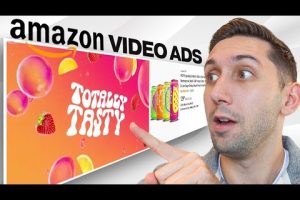
Video advertising ads have surged in popularity, largely driven by platforms like YouTube, TikTok, and Instagram Reels. These ads capture attention through motion, sound, and storytelling, making them exceptionally effective for building emotional connections with viewers. Short-form video advertising ads and pre-roll formats dominate the current landscape, and brands are increasingly investing in creator-led video advertising ads to boost authenticity and trust with younger demographics.
Search and Native Advertising Ads
Search advertising ads appear at the top of search engine results pages when users query specific keywords. These text-based advertisements are highly intent-driven, meaning they reach consumers who are actively looking for products or services, resulting in strong conversion potential. Native advertising ads, on the other hand, blend seamlessly into the content of a webpage — they look like editorial content but are clearly labeled as sponsored. This format tends to generate higher engagement rates because it does not disrupt the user experience, making native advertising ads a preferred choice for content-rich publishers.
Social Media Advertising Ads
Social media advertising ads leverage the rich user data available on platforms like Facebook, Instagram, LinkedIn, and X to deliver hyper-relevant messages. These ads can be targeted based on interests, behaviors, demographics, and even past purchase activity, making them incredibly personalized and effective for both awareness and conversion objectives.
Key Components of a High-Performing Advertising Ads Campaign
Building a successful advertising ads campaign requires attention to several critical components. Neglecting any one of these elements can undermine your entire strategy and waste valuable budget.
- Clear Campaign Objectives: Before launching any campaign, define what success looks like. Are you aiming for brand awareness, lead generation, app installs, or direct sales? Your objectives will shape every subsequent decision you make.
- Audience Targeting and Segmentation: The power of advertising ads lies in reaching the right people. Use demographic data, geographic filters, interest-based targeting, and behavioral signals to narrow your audience to those most likely to convert and engage with your message.
- Compelling Ad Creatives: Your visuals, headlines, and calls-to-action must capture attention instantly. A/B testing different creative variations is one of the most effective ways to improve performance over time and discover what resonates with your audience.
- Landing Page Optimization: Driving traffic is only half the battle. Your landing page must deliver a seamless, relevant experience that aligns with the ad’s promise and encourages the desired action without friction.
- Budget Allocation and Bidding Strategy: Decide whether to use cost-per-click (CPC), cost-per-impression (CPM), or cost-per-acquisition (CPA) bidding models based on your campaign goals and available budget to maximize return.
Choosing the Right Platform for Your Advertising Ads

Selecting the right platform is one of the most consequential decisions you will make in your advertising ads journey. Different platforms serve different audiences and offer distinct advantages. The table below compares major platforms to help you make an informed choice based on your specific needs and goals.
| Platform | Best For | Target Audience | Ad Formats | Avg. CPC Range |
| Google Ads | Search intent, high-conversion leads | Intent-driven users | Text, Responsive, Shopping | $1.00 – $2.00 |
| Facebook Ads | Awareness, retargeting, engagement | Broad demographics, interest-based | Image, Video, Carousel, Stories | $0.50 – $1.50 |
| Instagram Ads | Visual brands, younger demographics | Millennials, Gen Z | Photo, Video, Reels, Stories | $0.70 – $1.80 |
| LinkedIn Ads | B2B lead generation, recruiting | Professionals, decision-makers | Sponsored Content, InMail, Display | $5.00 – $6.50 |
| TikTok Ads | Brand awareness, viral content | Younger audiences, mobile-first users | In-Feed, TopView, Branded Hashtag | $1.00 – $3.00 |
This comparison table highlights how each major platform serves a distinct purpose in the advertising ads ecosystem. The right choice depends on your industry, target audience, and campaign objectives.
Expert Tips to Maximize Advertising Ads Performance
Even the best-designed campaigns can underperform without proper optimization and ongoing management. Here are proven strategies that experienced marketers swear by:
- Start with retargeting: Retargeting advertising ads often deliver the highest ROI because they reach users who have already shown interest in your brand. These warm audiences convert at significantly higher rates than cold traffic ever will.
- Use negative keywords in search campaigns: Excluding irrelevant search terms prevents wasted ad spend and improves the overall quality score and relevance of your campaigns over time.
- Implement frequency capping: Showing the same ad too many times leads to ad fatigue and can actually damage your brand perception. Limit impressions per user to maintain effectiveness and engagement.
- Leverage first-party data: With the decline of third-party cookies, first-party data collected through your website, email lists, and CRM systems has become the cornerstone of effective advertising ads targeting and personalization.
- Monitor and iterate weekly: Do not set a campaign and forget it. Review performance metrics weekly, pause underperforming creatives, and reallocate budget toward winning variations that are delivering results.
- Test multiple creative formats simultaneously: Running parallel A/B tests on images, headlines, and ad copy helps you identify what resonates most with your specific audience segment and continuously improve performance.
Frequently Asked Questions About Advertising Ads
What is the difference between advertising ads and organic marketing?
The primary distinction lies in cost and control. Advertising ads are paid placements that give you immediate visibility and precise audience targeting capabilities, while organic marketing relies on unpaid channels like SEO, content marketing, and social media growth, which take longer to build but can generate sustainable, long-term traffic without ongoing ad spend.
How much should I budget for advertising ads each month?
Budget depends entirely on your business size, industry, and campaign goals. Small businesses might start with $500 to $2,000 per month, while enterprise-level campaigns can exceed $50,000 monthly. The key is to start with a test budget, measure results carefully, and scale what works based on data-driven insights.
What metrics should I track to measure advertising ads success?
Focus on metrics that align directly with your campaign objectives. For awareness campaigns, track impressions, reach, and view-through rate. For conversion campaigns, monitor click-through rate (CTR), cost per acquisition (CPA), return on ad spend (ROAS), and overall conversion rate. These advertising ads metrics give you a complete and actionable picture of performance.
Can small businesses compete with large brands using advertising ads?
Absolutely. Small businesses often have advantages in niche targeting, creative authenticity, and operational agility. By leveraging highly specific audience segments, testing creative frequently, and focusing on platforms where their ideal customers are most active, small businesses can achieve exceptional results even with limited advertising ads budgets.
What role does artificial intelligence play in modern advertising ads?
AI and machine learning are reshaping advertising ads through automated bidding, predictive audience modeling, dynamic creative optimization, and real-time personalization. Platforms like Google and Meta now use AI to allocate budget toward the highest-performing audiences and placements, reducing manual effort and significantly improving overall campaign efficiency and outcomes.
Conclusion: The Future of Advertising Ads
Advertising ads will continue to evolve as technology advances and consumer behaviors shift in unpredictable ways. The rise of AI-driven automation, immersive ad formats like augmented reality experiences, and the growing importance of privacy-first targeting are reshaping how brands approach their advertising ads strategies every single day. Businesses that stay informed, remain adaptable, and invest in continuous optimization will be the ones that thrive in this dynamic and fast-moving environment. Whether you are just beginning your journey or looking to refine an existing strategy, the principles and insights outlined in this guide provide a solid foundation for building advertising ads campaigns that deliver real, measurable, and lasting results. Start implementing these strategies today, and watch your brand’s visibility, engagement, and growth accelerate in ways you never thought possible.