


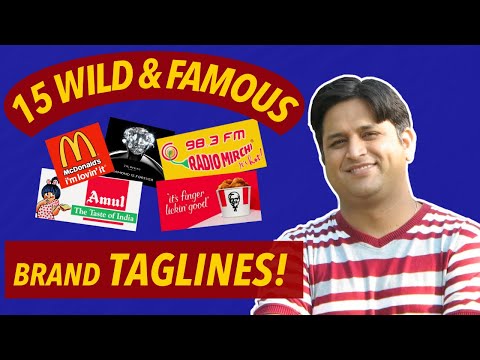
When you think about the brands that have shaped your purchasing decisions over the years, chances are their best advertising slogans immediately come to mind. A single line of copy—whether it is printed on a cereal box, spoken in a commercial, or etched into a billboard—can define a company’s identity for decades. The power of a well-crafted slogan lies in its ability to compress an entire brand promise into just a few words. In this comprehensive guide, we will explore what separates forgettagable taglines from iconic ones, examine famous slogan examples across industries, and provide actionable strategies for writing your own memorable advertising slogans that resonate with your target audience and drive real business results.
Why Advertising Slogans Matter for Brand Success
A slogan is more than a catchy phrase. It is the verbal shorthand for everything your brand represents. Research in consumer psychology consistently shows that repetition of a clear, emotionally resonant message builds familiarity, which in turn builds trust. When a slogan becomes embedded in popular culture, it acts as a free marketing asset every time someone says it aloud or sees it referenced. The best advertising slogans do three critical things simultaneously:

- They communicate a unique value proposition—telling the consumer exactly why your product or service stands out.
- They create emotional resonance—tapping into feelings like aspiration, nostalgia, humor, or belonging.
- They are remarkably simple to remember—using rhythm, rhyme, or brevity to stick in long-term memory.
Without a strong tagline, even the most innovative product can get lost in a crowded marketplace. In a digital landscape saturated with competing messages, your slogan often serves as the first—and sometimes only—impression a prospect forms about your brand.
What Makes a Slogan Truly Effective
Brevity and Clarity
The most famous slogan examples in marketing history share one trait: they are short. Nike’s “Just Do It,” Apple’s “Think Different,” and McDonald’s “I’m Lovin’ It” each contain three to four words. This brevity is not accidental—it is strategic. Short phrases are easier to recall, easier to repeat, and easier to adapt across different media formats, from social media ads to packaging design.
Emotional Connection
Effective memorable advertising taglines trigger an emotional response. De Beers’ “A Diamond Is Forever” does not merely describe a product—it sells the concept of eternal commitment. When a slogan connects with a core human emotion, it transcends its role as a marketing phrase and becomes part of the consumer’s personal narrative.

Uniqueness and Differentiation
A slogan should instantly communicate what makes your brand different. FedEx’s “When It Absolutely, Positively Has to Be There Overnight” is longer than most, but it is incredibly specific about the company’s core promise. Generic slogans like “Quality You Can Trust” blend into the background because every competitor can claim the same thing.
Famous Advertising Slogans That Defined Brands
Studying the best advertising slogans from the past century reveals patterns that every copywriter can learn from. Here are some of the most influential taglines and what made them work:
- Nike – “Just Do It” (1988): This slogan transformed Nike from a shoe company into a cultural movement by turning a simple imperative into a call to action for athletes of all levels.
- Coca-Cola – “Taste the Feeling” (2016): By focusing on sensory experience rather than product features, Coca-Cola kept its legacy slogan playbook fresh for a new generation.
- L’Oréal – “Because You’re Worth It” (1973): This tagline shifted the beauty industry by empowering consumers and tying product value to self-worth.
- De Beers – “A Diamond Is Forever” (1947): Still considered one of the greatest slogans ever written, it fundamentally created the cultural expectation of diamond engagement rings.
- Apple – “Think Different” (1997): Positioned Apple as the brand for creative rebels, directly appealing to the counterculture mindset of its core audience.
Each of these famous slogan examples succeeded because they aligned perfectly with the brand’s identity, audience values, and competitive positioning. They were not clever for clever’s sake—they were strategic.
Best Advertising Slogans by Industry
Different industries demand different tones and approaches. What works for a luxury fashion brand will fall flat for a budget airline. Below is a comparison of top-performing slogans across major sectors.
| Industry | Brand | Slogan | Why It Works |
| Technology | Apple | “Think Different” | Aligns with innovation and creativity |
| Automotive | BMW | “The Ultimate Driving Machine” | Speaks directly to performance identity |
| Food & Beverage | M&M’s | “Melts in Your Mouth, Not in Your Hands” | Highlights a unique product benefit clearly |
| Retail | L.L. Bean | “The Maine Shopping Experience” | Builds trust through heritage and quality |
| Fitness | Nike | “Just Do It” | Universal motivational call to action |
| Travel | Southwest Airlines | “Low Fares. Nothing to Hide.” | Combines affordability with transparency |
This table illustrates how the best advertising slogans are tailored to each industry’s unique selling points and audience expectations. A one-size-fits-all approach rarely produces a slogan that endures.
How to Write a Catchy Advertising Slogan
Whether you are building a new brand or refreshing an existing one, writing a powerful slogan requires a deliberate process. Follow these proven steps to craft your own effective tagline.
Step 1: Define Your Core Brand Promise
Before a single word is written, you must answer a fundamental question: what is the single most important thing you want your audience to believe about your brand? Is it speed? Reliability? Fun? Affordability? Your slogan should distill that promise into a phrase that is instantly understandable.
Step 2: Know Your Target Audience Inside and Out
The best advertising slogans speak directly to a specific audience segment. A slogan aimed at Gen Z consumers will use different language, rhythm, and emotional triggers than one aimed at baby boomers. Research your audience’s values, pain points, and aspirational desires before you begin drafting.
Step 3: Use Proven Slogan Writing Techniques
Several creative techniques consistently produce strong results:
- Rhyme and rhythm: Phrases like “Don’t Leave Home Without It” (American Express) use sound patterns to enhance memorability.
- Wordplay and puns: KFC’s “It’s Finger Lickin’ Good” uses sensory language to create a vivid mental image.
- Brevity: The fewer words, the easier it is to recall. Aim for three to six words if possible.
- Action-oriented language: Imperative verbs like “Just Do It” or “Think Different” create urgency and engagement.
- Specificity: Vague claims are forgettable. The more specific your promise, the more credible your slogan feels.
Step 4: Test Relentlessly
Great slogans are not born—they are refined. Test multiple variations with your target audience, measure recall rates, and iterate. A/B testing your tagline variations across social media or email campaigns can reveal which phrase generates the strongest response before you commit to a permanent brand mark.
Common Mistakes to Avoid When Crafting Slogans
Even experienced marketers stumble when writing taglines. Here are the most frequent pitfalls to steer clear of:
- Being too generic: Phrases like “The Best Quality Anywhere” provide no reason to choose your brand over a competitor.
- Using inside jokes: Slogans that require explanation fail. Your audience should understand the message in under two seconds.
- Chasing trends: A trendy phrase may feel relevant today but will sound dated in three years. Timeless slogans outperform trend-dependent ones.
- Overcomplicating the message: If you need a paragraph to explain your slogan, it is too long and too complicated.
- Ignoring cultural context: A slogan that works brilliantly in one market may carry unintended meanings in another. Always conduct cultural sensitivity checks before global rollout.
Frequently Asked Questions
What are the most famous advertising slogans of all time?
The most iconic slogans include Nike’s “Just Do It,” Coca-Cola’s “Open Happiness,” Apple’s “Think Different,” and L’Oréal’s “Because You’re Worth It.” These taglines endured because they captured a brand’s essence in a way that felt authentic, emotionally compelling, and easy to remember across generations of consumers.
How long should the best advertising slogans be?
Ideally, a slogan should be three to six words long. Research in cognitive psychology shows that short phrases are stored more easily in long-term memory. However, longer slogans can work if they communicate a highly specific and compelling promise, as demonstrated by FedEx’s detailed delivery assurance tagline.
What makes a slogan different from a tagline or a catchphrase?
While the terms are often used interchangeably, a slogan is typically tied to a specific campaign or promotional effort and may change over time. A tagline is more permanent and represents the overarching brand identity. A catchphrase is a memorable line that may or may not be officially tied to a brand. Understanding this distinction helps you decide whether you need a flexible campaign slogan or a permanent brand tagline.
How do you test if a slogan is memorable enough?
The best way to test slogan memorability is through unaided recall testing. Show your audience the slogan for a few seconds, then ask them to repeat it back without looking. If more than 60% of participants can accurately recall the phrase after a 24-hour delay, it is likely a strong candidate. You can also test recognition by presenting the slogan alongside alternatives and asking which one they remember.
Can a small business benefit from a great slogan?
Absolutely. In fact, small businesses often benefit even more from a strong slogan because it helps them compete against larger brands by creating a distinct and memorable identity in the minds of consumers. A well-written local tagline can differentiate a small business, communicate its unique value, and build brand recognition within its community more effectively than a large advertising budget alone.
How often should a company update its advertising slogan?
Most successful brands keep their slogans for a decade or longer, but periodic evaluation is wise. If your brand has undergone a significant repositioning, expanded into new markets, or your current tagline no longer reflects your core values, it may be time for a refresh. However, frequent slogan changes can confuse customers and dilute brand recognition, so any update should be driven by strategic necessity rather than creative boredom.
Final Thoughts
The best advertising slogans are not accidents—they are the product of deep audience understanding, strategic positioning, and creative precision. Whether you are a startup looking to establish your first brand identity or an established company refreshing your market presence, investing time and effort into crafting a powerful tagline pays dividends for years, sometimes decades. Study the greats, avoid the common pitfalls, test your ideas rigorously, and never underestimate the impact of a few perfectly chosen words. Your slogan is your brand’s voice in a world full of noise—make it count.