


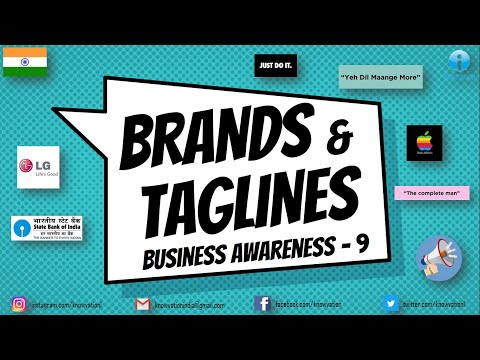
When you think about the most iconic brands in the world, what comes to mind first? Often, it is not just a logo or a product—it is the phrase that captures their entire identity in a handful of words. A company motto, sometimes called a corporate tagline or business slogan, serves as the soul of a brand. It communicates values, purpose, and personality in seconds flat. Whether you are an entrepreneur building a startup or a marketing professional refining a brand strategy, understanding what makes a company motto truly powerful can transform how your audience perceives you. In this guide, we explore the best company mottos ever created, break down what makes them work, and give you actionable tips to craft one that resonates deeply with your target audience.
What Makes a Company Motto Truly Powerful?
A memorable corporate motto is far more than a catchy phrase. It is a strategic communication tool that distills an entire brand into a few impactful words. The best business slogans share several characteristics that set them apart from generic taglines and forgettable phrases.
Brevity and Clarity — The most effective organizational mottos are short and punchy. Think about Nike’s “Just Do It” or FedEx’s “The World on Time.” These phrases are easy to remember, easy to repeat, and instantly recognizable. When your motto is concise, it sticks in the minds of consumers and becomes embedded in popular culture.
Emotional Resonance — People do not buy products; they buy feelings. A powerful brand phrase taps into emotions like aspiration, trust, belonging, or excitement. Apple’s “Think Different” does not describe a product—it describes a mindset. That emotional connection is what transforms a casual observer into a loyal customer.

Authenticity and Alignment — Your corporate motto must reflect what your company actually does and stands for. A slogan that promises something your brand cannot deliver will erode trust over time. The most credible motivational company slogans align seamlessly with the company’s mission, products, and customer experience.
Uniqueness — In a crowded marketplace, your brand phrase needs to differentiate you from competitors. Generic phrases like “The Best Quality” or “We Care” do not stand out. The best famous brand mottos carve out a unique position in the consumer’s mind.
Best Company Mottos of All Time and Why They Work
Let us take a closer look at some of the most celebrated corporate mottos and the reasons they have endured for decades. These famous brand mottos represent different industries, styles, and strategic approaches to brand communication.

| Company | Motto | Industry | Why It Works |
|---|---|---|---|
| Nike | Just Do It | Sportswear | Action-oriented, motivational, universally applicable |
| Apple | Think Different | Technology | Challenges convention, aligns with innovation identity |
| De Beers | A Diamond Is Forever | Jewelry | Emotionally compelling, creates lasting association |
| FedEx | The World on Time | Logistics | Communicates reliability and global reach |
| L’Oréal | Because You’re Worth It | Beauty | Empowering, personal, consumer-centric |
| BMW | The Ultimate Driving Machine | Automotive | Descriptive yet aspirational, performance-focused |
| M&Ms | Melts in Your Mouth, Not in Your Hands | Confectionery | Descriptive, memorable, solves a consumer pain point |
| AT&T | Reach Out and Touch Someone | Telecommunications | Nostalgic, emotional, simple |
Notice how each of these famous brand mottos does more than describe a product. They tell a story, evoke a feeling, or promise a transformation. That is the hallmark of a truly exceptional corporate motto.
Breaking Down Motto Categories
Not all business slogans fall into the same category. The best company mottos generally fall into several distinct styles, each with its own strategic advantage.
Action-Oriented Mottos — These phrases challenge the audience to take action. Nike’s “Just Do It” is the gold standard here. Other strong examples include Nike’s original “There Is No Finish Line” and Red Bull’s “Gives You Wings.” Action-oriented slogans work well for brands that want to project energy, movement, and momentum.
Emotional Connection Mottos — These mottos appeal directly to feelings. De Beers’ “A Diamond Is Forever” ties an emotional promise to a product. Similarly, AT&T’s classic “Reach Out and Touch Someone” evokes warmth and human connection. Emotional brand phrases tend to have long shelf lives because feelings are harder to forget than facts.
Descriptive and Benefit-Driven Mottos — These clearly communicate what the brand delivers. M&Ms’ “Melts in Your Mouth, Not in Your Hands” is a perfect example. It addresses a specific consumer concern and positions the product as the solution. FedEx’s “The World on Time” communicates a clear benefit: reliability.
Identity and Values-Driven Mottos — These define who the company is at its core. Apple’s “Think Different” is not about a computer; it is about a philosophy. Patagonia’s “We’re in Business to Save Our Home Planet” communicates environmental commitment explicitly. These types of organizational mottos attract like-minded consumers and build deep brand loyalty.
How to Write a Memorable Company Motto

Crafting an effective corporate motto requires a blend of creativity, strategy, and discipline. Here is a step-by-step approach that branding experts and successful entrepreneurs swear by.
- Define Your Core Brand Values — Before writing a single word, identify the three to five values that define your company. What do you stand for? What makes you different? Your motto should be a direct expression of these values.
- Know Your Audience Intimately — Who are you trying to reach? A motto that resonates with Gen Z consumers may fall flat with a Baby Boomer audience. Research your target demographic’s language, aspirations, and pain points.
- Keep It Short and Sweet — Aim for fewer than eight words. The best business slogans are so concise they can be printed on a business card and still make an impact.
- Use Strong, Active Language — Verbs are your best friend. Words like “do,” “think,” “reach,” and “dare” create energy and momentum. Avoid passive or vague language that dilutes your message.
- Test It Relentlessly — Run your candidate mottos past real customers, focus groups, and even social media polls. The best famous brand mottos were tested extensively before becoming iconic.
- Ensure Long-Term Flexibility — A great corporate motto should work today, five years from now, and even if your product line expands. Avoid overly specific language that limits future growth.
Common Mistakes Companies Make When Choosing a Motto
Even well-funded brands sometimes get their corporate motto wrong. Here are the pitfalls you should actively avoid.
- Being Too Generic — Phrases like “Quality You Can Trust” or “Your Partner in Success” could belong to any company. A forgettable brand phrase does nothing to differentiate you from competitors.
- Using Jargon or Inside Language — Your motto should be immediately understood by anyone, not just industry insiders. If a new customer needs a glossary to get it, you have lost the battle.
- Making Empty Promises — If your motto promises innovation but your products are stale, you will face backlash. Authenticity in motivational company slogans is non-negotiable.
- Following Trends Instead of Strategy — Buzzword-driven mottos may feel relevant for a quarter, but they rarely age well. Invest in timeless language over trendy phrases.
- Ignoring Cultural Context — A motto that works brilliantly in one market may be offensive or confusing in another. Always test your brand phrase across different cultural and linguistic contexts.
Expert Tips for Evolving Your Company Motto Over Time
Even the best corporate mottos sometimes need refinement. Companies evolve, markets shift, and consumer expectations change. Here is how to approach evolution without losing brand equity.
Audit Your Current Motto Annually — Every year, ask yourself whether your organizational motto still reflects where the company stands today. Brands like Starbucks and Google have updated their taglines to stay relevant while preserving their core identity.
Keep the Original Legacy — When you do update a motto, honor the heritage of the previous phrase. A subtle evolution feels authentic; a complete overhaul can confuse loyal customers. The best company mottos evolve gracefully rather than disappearing overnight.
Involve Your Team — Your employees are your first ambassadors. When they understand and believe in your corporate motto, it radiates through every customer interaction. Involve cross-functional teams in the motto development process for broader buy-in.
Measure Impact Through Brand Surveys — Track how well your motto is recognized and understood through periodic brand surveys. If less than half your audience can recall or correctly interpret your motto, it is time for a refresh.
Frequently Asked Questions
What are the best company mottos for startups?
Startups should choose brand phrases that communicate their unique value proposition clearly and concisely. Mottos like Slack’s “Be Less Busy,” Mailchimp’s “Did You Mean,” and Stripe’s “Payments Infrastructure for the Internet” demonstrate how new companies can craft memorable corporate mottos even with limited resources. The key is focusing on a specific benefit or differentiating quality rather than trying to say everything at once.
How long should a company motto be?
The most effective business slogans are between three and seven words. Research in brand psychology consistently shows that shorter phrases have higher recall rates. However, length is less important than clarity and emotional impact. Some of the best famous brand mottos, like FedEx’s “The World on Time,” sit at exactly six words—long enough to be meaningful but short enough to be unforgettable.
Can a company change its motto after it becomes iconic?
Yes, but it should be done strategically and with careful consideration. Many successful brands have refreshed their corporate mottos over the decades. For example, BMW shifted from “The Ultimate Driving Machine” to “Sheer Driving Pleasure” and later to a more experience-focused tagline. The best company mottos evolve in ways that feel like a natural progression rather than a complete departure from the brand’s identity.
What is the difference between a company motto and a tagline?
While the terms are often used interchangeably, there is a subtle distinction. A corporate motto tends to reflect the company’s internal values and mission, while a tagline is typically designed for marketing and external communication. In practice, the best brand phrases blur this line, serving both purposes simultaneously. Think of it this way: your motto is who you are; your tagline is how you invite the world to join you.
How do you test if a company motto is effective?
Effective testing involves multiple methods: brand recall surveys where you ask people to remember your phrase after a set period, A/B testing in marketing campaigns, and focus groups that evaluate emotional response and comprehension. The strongest motivational company slogans score high on recall, emotional impact, and perceived authenticity across all three testing methods.
Should a company motto change with every product launch?
No. A corporate motto should remain stable enough to build long-term brand recognition. Changing it with every product launch dilutes brand equity and confuses consumers. Instead, use product-specific taglines or campaign slogans for individual launches while keeping your core organizational motto consistent. The best famous brand mottos have remained largely unchanged for decades, even as the companies themselves have expanded into entirely new markets.
Conclusion
The best company mottos are far more than marketing decorations. They are strategic assets that define brand identity, build emotional connections, and differentiate businesses in competitive markets. Whether you are studying famous brand mottos for inspiration or actively crafting your own corporate slogan, the principles remain the same: keep it concise, make it emotional, ensure authenticity, and test relentlessly. The right motto has the power to transform how your audience sees your brand—and how your brand lives in the world. Invest the time and effort into getting it right, because a great corporate motto can outlast any product cycle, any trend, and even any leadership change. It becomes part of your legacy.