


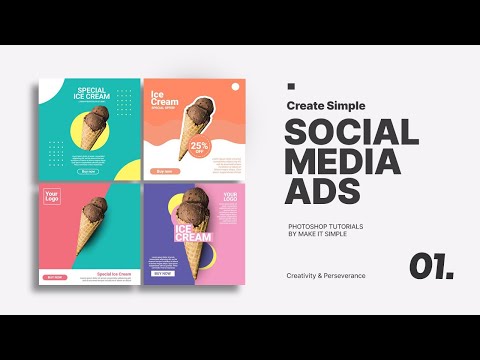
Running an ad on social media has become one of the most powerful ways for businesses to reach their ideal audience, drive conversions, and build brand awareness in a crowded digital landscape. Unlike traditional advertising channels, social media platforms offer unprecedented targeting precision, real-time performance data, and the ability to engage users where they spend hours every day. Whether you are a small business owner just starting out or a seasoned marketer refining a large-scale paid social strategy, understanding the nuances of social media advertising can mean the difference between wasted spend and exponential growth. In this comprehensive guide, we will walk you through everything you need to know — from the fundamentals of social media ads to advanced optimization tactics that deliver measurable results.
What Is a Social Media Ad and Why Does It Matter?
A social media ad is a paid promotional message displayed within a social networking platform, designed to reach a specific audience based on demographics, interests, behaviors, and custom targeting criteria. These sponsored messages can take many forms, including image carousels, short-form video, story ads, and interactive formats. What makes social media advertising so compelling is the combination of massive reach and granular targeting. Platforms like Facebook, Instagram, TikTok, LinkedIn, and Pinterest collectively serve billions of monthly active users, giving advertisers the ability to find their niche audience with surgical accuracy.
Unlike organic social media posts, which rely on algorithmic reach and follower engagement, paid social ads guarantee visibility to a chosen audience segment. This makes social media advertising an essential channel for businesses looking to scale quickly, launch new products, or retarget website visitors who have shown prior interest.

Types of Social Media Advertising Formats
Every major social platform offers a unique set of ad formats tailored to different campaign objectives and creative strategies. Understanding these formats is critical for building a social ad strategy that resonates with your target audience.
Image and Single-Media Ads
Image ads remain one of the most straightforward and cost-effective formats. They feature a single static visual — a photograph, graphic, or illustration — paired with a headline, primary text, and a call-to-action button. These ads work exceptionally well for driving traffic to landing pages, promoting sales, or building brand recognition.
Video Ads
Short-form and long-form video ads dominate social feeds today. Platforms like TikTok and Instagram Reels have made video-first advertising the norm. Video ads allow brands to tell compelling stories, demonstrate products in action, and capture attention within the first few seconds. Native advertising on social platforms through in-feed video ads consistently outperforms static imagery in click-through and engagement rates.
Carousel and Slideshow Ads

Carousel ads let you showcase multiple images or videos within a single ad unit, each with its own link or CTA. This format is ideal for product catalogs, before-and-after transformations, and storytelling campaigns.
Story Ads and Sponsored Content
Full-screen, vertically oriented story ads appear between organic stories on platforms like Instagram and Snapchat. They feel native and immersive, making them highly effective for brand awareness and product launches.
How to Create High-Performing Social Media Ads
Building a successful social media advertising campaign requires more than just boosting a post. Here is a structured approach that covers both beginner fundamentals and advanced best practices.

Step-by-Step Campaign Setup
- Define Your Objective. Every platform’s ad manager is organized around campaign objectives such as awareness, traffic, conversions, or app installs. Choose the objective that aligns with your overarching marketing goal.
- Identify Your Target Audience. Use platform-native audience insights, custom audiences from customer data, and lookalike audiences modeled after your best customers.
- Set Your Budget and Schedule. Start with a test budget, run ads for at least three to five days, and then scale based on performance data.
- Craft Compelling Creatives. Your ad creative is the single biggest factor in whether a user stops scrolling. Use high-quality visuals, concise copy, and a clear value proposition.
- Monitor, Test, and Optimize. A/B test different headlines, images, audiences, and placements continuously to find what delivers the best return on ad spend.
Key Metrics to Track in Paid Social Campaigns
- Click-Through Rate (CTR): Measures how often people click your ad after seeing it.
- Cost Per Click (CPC): Tells you how much you pay for each visitor to your site.
- Cost Per Acquisition (CPA): The average cost to convert a user into a customer.
- Return on Ad Spend (ROAS): Revenue generated for every dollar spent on ads.
- Frequency: How often the same person sees your ad — high frequency can signal ad fatigue.
Best Platforms for Social Media Advertising in 2024
Choosing the right platform depends on your business goals, target audience demographics, and ad format preferences. Below is a comparison of the leading platforms for running social media ads.
| Platform | Best For | Target Demographic | Key Ad Format |
| Meta (Facebook & Instagram) | Lead generation, e-commerce, brand awareness | Ages 25-55, broad interests | Carousel, video, story ads |
| TikTok | Brand awareness, viral campaigns, younger audiences | Ages 16-34, entertainment-driven | In-feed video, branded hashtag challenges |
| B2B lead generation, recruitment, thought leadership | Professionals, decision-makers | Sponsored posts, message ads, document ads | |
| E-commerce, home decor, fashion, wedding industry | Ages 25-45, predominantly female | Promoted pins, video pins | |
| X (Twitter) | Real-time engagement, news, tech audiences | Ages 18-49, interest-based | Promoted tweets, trend takeovers |
Expert Tip: Do not limit yourself to a single platform. A multi-channel paid social strategy allows you to test creative across audiences, diversify risk, and capture users at different stages of the funnel. Start with one or two platforms, prove ROI, and then expand strategically.
Advanced Social Media Ad Strategies
Once you have mastered the basics, it is time to level up your approach with strategies that top-performing marketers rely on to maximize ROI.
Leverage Custom and Lookalike Audiences
Custom audiences let you target people who have already interacted with your brand, such as website visitors, email subscribers, or past purchasers. Lookalike audiences expand your reach by finding new users who share similar characteristics with your best existing customers. This combination of retargeting and expansion is one of the most effective ways to scale a paid social campaign profitably.
Use Creative Sequencing for Funnel Progression
Rather than showing the same ad repeatedly, creative sequencing delivers a series of ads in a specific order. The first ad introduces your brand, the second educates the audience about your product, and the third drives conversion. This approach nurtures cold audiences through the funnel and significantly improves conversion rates compared to single-creative campaigns.
Implement Automated Bidding Strategies
Modern ad platforms offer machine learning-driven bidding strategies such as Target ROAS and Lowest Cost. These automated systems analyze real-time auction data to optimize bids for each impression, helping you achieve your performance goals more efficiently than manual bidding.
Common Social Media Advertising Mistakes to Avoid
- Ignoring mobile optimization: The majority of social media users access platforms via mobile devices. Ensure your ad creative, landing pages, and CTAs are fully optimized for smaller screens.
- Overlooking audience fatigue: Running the same ad to the same audience for too long leads to diminishing returns. Refresh creatives every two to three weeks.
- Neglecting ad copy testing: A strong image paired with weak copy will underperform. Always test multiple headline and description variations.
- Setting and forgetting campaigns: Paid social requires active management. Review performance daily, pause underperformers, and reallocate budget to winners.
Frequently Asked Questions
The cost of a social media advertising campaign varies significantly based on the platform, industry, audience targeting, and campaign objective. On average, small businesses spend between $5 and $50 per day on paid social ads. However, highly competitive industries like finance, insurance, and legal services may require larger budgets to remain competitive. Start with a modest daily budget, test multiple creatives, and scale what works.
For most small businesses, Meta Ads (Facebook and Instagram) offers the best combination of reach, targeting capabilities, and cost-effectiveness. However, if your audience skews younger, TikTok is the fastest-growing platform for social media advertising. B2B companies will find LinkedIn to be the most valuable channel for generating qualified leads.
Success depends on your campaign objective. For brand awareness campaigns, track impressions, reach, and frequency. For traffic campaigns, monitor CTR and cost per click. For conversion campaigns, focus on CPA, ROAS, and total conversions. Set up conversion tracking pixels or server-side events to get accurate attribution data.
Yes, many platforms allow you to run ads that direct users to a Messenger conversation, a phone call, a downloadable app, or an in-platform landing page. However, having a dedicated website or landing page gives you more control over the user experience and makes tracking conversions much easier.
Give your campaign at least three to five days of active delivery before drawing conclusions. Ad platforms need this time to optimize delivery and collect enough data for statistical significance. For conversion campaigns, allow seven to fourteen days before making major budget or strategy adjustments.
Conclusion
Running an ad on social media is no longer optional — it is a fundamental pillar of modern digital marketing. The platforms, tools, and targeting capabilities available today make it possible for businesses of every size to compete for attention in ways that were unimaginable just a decade ago. By understanding the various ad formats, choosing the right platforms, following a structured campaign setup process, and continuously optimizing based on performance data, you can build a social media advertising strategy that delivers consistent, measurable results. Start small, test relentlessly, and scale what works. The competitive landscape rewards those who treat paid social advertising as a living, evolving system rather than a one-time effort.