


A business tagline is one of the most powerful branding assets a company can possess. It is a short, memorable phrase that encapsulates your brand promise, values, and unique selling proposition in just a few words. When done right, a compelling tagline stays in customers’ minds long after they encounter your logo, your advertisement, or your product packaging. In today’s crowded marketplace, where attention spans are shrinking and competition is fierce, having a well-crafted brand tagline is no longer optional—it is essential. This comprehensive guide walks you through everything you need to know about creating a business tagline that resonates, differentiates, and drives results.
What Is a Business Tagline?
A business tagline—also known as a brand tagline, marketing tagline, or brand slogan—is a concise phrase that communicates the essence of your company. It works alongside your brand name and logo to reinforce your identity in the minds of your audience. Think of Nike’s “Just Do It” or Apple’s “Think Different”—these taglines do not merely describe products; they evoke emotion, inspire action, and build lasting brand recognition.
Your tagline serves as a verbal shortcut. When a customer hears or reads it, they should immediately associate it with your brand, your mission, and the value you deliver. Whether you are a startup building your first brand identity or an established company refreshing your messaging, understanding what makes a tagline effective is the foundation of your entire marketing strategy.
How a Tagline Differs From a Slogan
People often use the terms “tagline” and “slogan” interchangeably, but there is a meaningful distinction. A tagline is a permanent fixture of your brand identity. It appears on your website, business cards, email signatures, and every piece of branded material consistently over time. A slogan, on the other hand, tends to be campaign-specific and temporary—used to promote a particular product launch, seasonal promotion, or advertising push. Understanding this difference helps you decide whether you need a permanent brand tagline, a campaign-specific slogan, or both.
Why Your Business Tagline Matters
Your tagline is often the first thing a potential customer reads or hears after encountering your brand name. It shapes perception, builds trust, and communicates your competitive advantage instantly. Here is why investing time in a strong tagline delivers measurable returns:
- Instant Brand Recall: A memorable tagline makes your company easier to recall during purchasing decisions. When customers think of a solution you offer, your tagline triggers the association.
- Emotional Connection: Great taglines tap into feelings—confidence, simplicity, innovation, reliability. This emotional resonance drives loyalty beyond rational product comparisons.
- Differentiation: In saturated markets, your tagline tells customers why you are different. It positions your brand clearly against competitors.
- Trust and Credibility: A polished, purposeful tagline signals professionalism. It tells customers you have invested in your brand, which builds confidence in your products or services.
- Consistent Messaging Anchor: Your tagline unifies all marketing efforts. Every ad, social media post, and landing page gains coherence when tied to a central phrase.
Key Elements of a Powerful Business Tagline
Not every tagline works equally well. The most effective ones share specific characteristics that make them sticky, clear, and compelling. Here are the core elements your tagline should incorporate:
- Brevity: The best taglines are between two and seven words. Conciseness forces clarity. If you cannot express your value in a few words, refine your message until you can.
- Clarity: Avoid jargon or cleverness that obscures meaning. Your audience should understand the promise instantly without needing to decode the phrase.
- Uniqueness: Your tagline should feel distinctly yours. It should not be interchangeable with a competitor’s messaging or sound like every other company in your industry.
- Emotional Resonance: The most memorable taglines trigger an emotional response—whether that is inspiration, reassurance, excitement, or curiosity.
- Relevance to Your Brand Promise: Your tagline must accurately reflect what you deliver. Overpromising in a tagline erodes trust and damages your reputation over time.
- Timelessness: While trends come and go, a strong tagline endures. Avoid overly trendy language that may feel dated in a few years.
Step-by-Step Process to Create a Winning Business Tagline
Crafting a business tagline is not about waiting for a lightning bolt of inspiration. It is a deliberate, structured process. Follow these steps to develop a tagline that truly represents your brand:
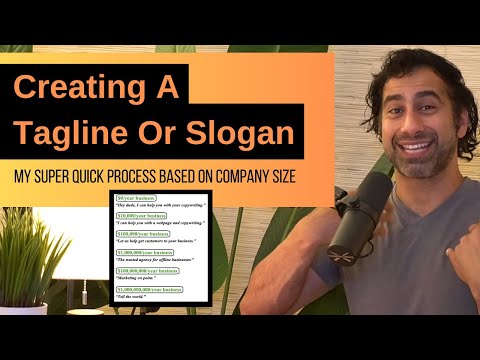
Step 1: Define Your Brand Core
Before writing a single word of your tagline, clarify your brand’s mission, values, target audience, and unique value proposition. Ask yourself: What problem do we solve? Who do we serve? What makes us different? Your answers become the raw material for your tagline.
Step 2: Identify Your Emotional Hook
Decide which emotion you want to trigger. Do you want customers to feel empowered, safe, inspired, or excited? Your emotional hook determines the tone and direction of every tagline idea you generate.
Step 3: Brainstorm Freely
Set a timer for 20 minutes and write down every possible phrase—no matter how rough or imperfect. Do not filter yourself. Aim for at least 50 candidates. Quantity leads to quality in tagline creation.
Step 4: Filter and Refine
Review your list and eliminate anything that is too long, too generic, or misaligned with your brand core. Narrow your options to the top five candidates. Test each one for clarity, memorability, and uniqueness.
Step 5: Test with Real Audiences
Run your top three tagline options past customers, colleagues, or target audience members. Ask them what they think the brand stands for, how the tagline makes them feel, and whether they would remember it. Their feedback is invaluable.
Step 6: Implement and Commit
Once you have selected your final tagline, deploy it consistently across every brand touchpoint. Consistency is what transforms a phrase into a recognizable element of your brand identity.
Business Tagline Examples Across Industries
Studying successful taglines from different sectors provides valuable inspiration. The table below compares taglines, the brands behind them, and the strategic positioning each tagline communicates:
| Brand | Tagline | Industry | Positioning Strategy |
| FedEx | “The World on Time” | Logistics | Reliability and global reach |
| De Beers | “A Diamond is Forever” | Jewelry | Emotional permanence and tradition |
| L’Oréal | “Because You’re Worth It” | Beauty | Self-worth and empowerment |
| M&Ms | “Melts in Your Mouth, Not in Your Hands” | Confectionery | Functional benefit and specificity |
| Airbnb | “Belong Anywhere” | Travel | Community and belonging |
| Slack | “Be More Productive at Work” | Software | Clear outcome and utility |
Notice a pattern? Each of these business taglines is short, emotionally resonant, and directly tied to the brand’s core promise. They do not describe products in detail; they communicate a feeling or a promise that connects with the target audience at a deeper level.
Common Mistakes to Avoid When Crafting a Tagline
Even experienced marketers make preventable errors when developing their business tagline. Here are the most common pitfalls to steer clear of:
- Being Too Generic: Phrases like “The Best Quality You Can Find” or “Your Trusted Partner” sound like every other company. Your tagline must reflect what makes your brand distinct.
- Using Inside Jargon: Industry-specific language alienates your broader audience. If a customer outside your niche does not understand the tagline, it fails its purpose.
- Overcomplicating the Message: A tagline that requires explanation is too long or too vague. If you need a paragraph to explain your tagline, go back to the drawing board.
- Following Trends Blindly: Slang and trendy expressions date quickly. Your tagline should remain relevant for years, not months.
- Copying a Competitor: Imitating another brand’s tagline—whether intentionally or accidentally—dilutes your identity and confuses your audience. Always verify uniqueness before committing.

Expert Tips for Refining Your Business Tagline
Once you have a working draft, these expert strategies will help you elevate it from good to exceptional:
- Read It Aloud: Your tagline should roll off the tongue naturally. If it stumbles when spoken, simplify the structure or adjust the rhythm.
- Test It Without Your Brand Name: A great tagline should make sense even when the brand name is removed. This proves the phrase carries its own weight.
- Use Power Words: Words like “unlock,” “transform,” “effortless,” “real,” and “finally” carry strong psychological weight that elevates a tagline’s impact.
- Align with Your Visual Brand: Your tagline should complement your logo, color palette, and typography. The visual and verbal elements should feel like one cohesive identity.
- Revisit Periodically: While taglines should be stable, it is wise to review them every three to five years to ensure they still align with your evolving brand strategy and market position.
Frequently Asked Questions
How Long Should a Business Tagline Be?
The ideal length for a business tagline is between two and six words. Some iconic taglines are as short as two words, while others stretch to seven. The key is to convey maximum meaning with minimum words. Shorter taglines are easier to remember, reproduce, and recognize across different media formats.
Can a Business Tagline Change Over Time?
Yes, companies do refresh their taglines when brand positioning shifts, markets evolve, or the original phrase no longer resonates. However, tagline changes should be strategic decisions, not impulsive ones. Major brands like Starbucks and Burberry have updated their taglines to reflect new brand directions. If you decide to change your tagline, ensure the transition is clear and well-communicated to your audience.
Is a Business Tagline the Same as a Company Mission Statement?
No, these serve entirely different purposes. Your company mission statement is an internal document that outlines your purpose, goals, and approach to stakeholders. A business tagline is an external-facing, customer-facing phrase designed to communicate your brand promise memorably and succinctly. While they may share thematic overlap, they serve different audiences and function differently in your overall brand strategy.
Do Small Businesses Need a Tagline?
Absolutely. Small businesses often benefit even more from a strong tagline because they are competing against larger, better-known brands. A memorable business tagline helps small companies establish credibility, clarify their positioning, and make a lasting impression on potential customers who may only have seconds to form an opinion. A well-written tagline levels the playing field and gives small brands the recognition they deserve.
Should I Use a Tagline Generator or Hire a Professional?
Online tagline generators can provide inspiration and spark ideas, but they rarely produce the kind of deeply resonant, brand-specific phrase that a professional copywriter or branding strategist can craft. Automated tools rely on patterns and templates, which often result in generic output. If your tagline is a critical investment—especially for a new business launch or major rebrand—working with an experienced brand strategist or copywriter will yield significantly better results and long-term ROI.
Conclusion
Your business tagline is far more than a decorative afterthought—it is a strategic asset that shapes how your brand is perceived, remembered, and chosen. By understanding the core elements of a powerful tagline, following a structured creative process, avoiding common mistakes, and drawing inspiration from industry leaders, you can craft a phrase that captures the heart of your brand and resonates with your target audience for years to come. The most effective taglines are clear, emotionally compelling, unique, and aligned with your brand promise. Invest the time and effort now, and your tagline will work tirelessly to build recognition, trust, and loyalty every single day. Start by defining your brand core, brainstorming freely, testing rigorously, and committing fully to a tagline that truly represents who you are and the value you deliver.