In today’s digital economy, affiliate marketing influencer marketing careers represent one of the most compelling and lucrative professional paths available. These two industries have matured from side hustles into full-fledged career ecosystems, offering creators, marketers, and entrepreneurs the freedom to build revenue streams tied directly to audience trust and engagement. Whether you are just starting out or looking to scale an existing personal brand, understanding how affiliate marketing and influencer marketing intersect is essential for long-term success. This guide breaks down everything you need to know—from foundational strategies to advanced monetization techniques—so you can turn your digital presence into a sustainable career.
Why Affiliate Marketing and Influencer Marketing Careers Are Converging
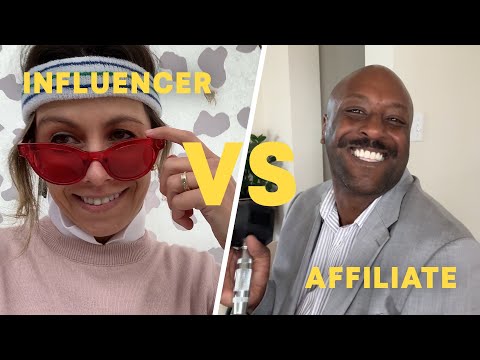
The lines between affiliate marketing and influencer marketing have blurred dramatically over the past few years. What used to be separate disciplines now function as complementary engines driving revenue for brands and creators alike. A modern influencer marketing career rarely survives without some form of affiliate income, while successful affiliate marketing careers depend heavily on personal branding and audience credibility. This convergence means professionals who understand both domains hold a significant competitive advantage.
Brands now expect creators to do more than just post content. They want measurable ROI, trackable conversions, and authentic product advocacy—all of which are core strengths of affiliate marketing. Meanwhile, consumers trust influencer recommendations more than traditional advertisements, making the influencer-to-affiliate pipeline one of the most efficient customer acquisition channels available today.
The Data Behind the Convergence
Industry reports consistently show that influencer-driven affiliate sales account for a growing share of total e-commerce revenue. Platforms like Amazon Associates, ShareASale, Impact, and CJ Affiliate have built dedicated programs tailored for content creators and social media influencers. This infrastructure makes it easier than ever to monetize recommendations with precision and scale.
Getting Started: Building Your Foundation as a Beginner
If you are exploring how to start a career in affiliate marketing and influencer marketing, the first step is defining your personal brand identity. This involves choosing a niche, selecting primary platforms, and understanding your target audience’s pain points and purchasing behavior.
Choosing Your Niche and Platform
Not every niche is equally profitable for affiliate marketing careers. The best niches combine personal passion with proven commercial demand. Consider these factors when choosing your path:
- Passion and Expertise: You will produce content consistently only if you genuinely care about the subject.
- Monetization Potential: Niches like personal finance, health and wellness, technology, and home improvement offer high-ticket affiliate commissions.
- Audience Size and Intent: Micro-niches with high purchase intent often outperform broad categories in conversion rates.
- Platform Fit: YouTube suits in-depth reviews; Instagram favors lifestyle and visual storytelling; TikTok excels at viral product showcases.
For beginners, starting with one platform and one niche reduces friction. Spread yourself too thin across multiple channels too early, and you risk diluting your authority before it even develops.
Essential Tools and Resources
Every aspiring professional in the affiliate marketing influencer marketing careers space should invest in a few foundational tools:
- Content Creation Tools: Canva, CapCut, Adobe Lightroom, or Descript for editing and design.
- Affiliate Networks: ShareASale, Impact, Awin, or direct brand partnerships for product links and tracking.
- Analytics Platforms: Google Analytics, platform-native insights, and link tracking tools like Bitly or Linktree Pro.
- Email Marketing Software: ConvertKit or Beehiiv to build owned audiences and nurture affiliate leads.
Intermediate Growth: Scaling Your Influencer Marketing Career
Once you have established a consistent content rhythm and built an initial audience, the focus shifts from creation to optimization. Intermediate-level professionals understand that growth requires strategic experimentation, audience segmentation, and deeper brand collaborations.
Building an Affiliate Marketing Strategy That Converts
Passive link dropping does not work at scale. A sophisticated affiliate marketing strategy integrates product recommendations naturally into content that delivers genuine value. Consider these proven approaches:
- Comparison and Review Content: Side-by-side evaluations create decision-making clarity for your audience, directly increasing click-through rates to affiliate offers.
- Tutorial and How-To Content: Demonstrating a product within a useful tutorial builds contextual trust that drives conversions.
- Email Nurture Sequences: Curated product recommendations delivered via email convert at significantly higher rates than social media posts alone.
- Exclusive Deals and Discount Codes: Negotiating unique promo codes with brands incentivizes purchases while giving you trackable performance data.

Tracking your cost per acquisition, earnings per click, and return on ad spend at this stage is non-negotiable. Without data-driven decision-making, you will guess instead of grow.
Negotiating Brand Partnerships
As your follower count and engagement metrics grow, brands will approach you—and you should approach them too. Understanding the influencer marketing career landscape around partnership negotiations is critical. Key negotiation points include content deliverables, usage rights, exclusivity clauses, commission structures, and payment timelines.
Always protect your creative freedom. The best long-term brand relationships allow you to present products authentically rather than forcing rigid scripted messaging that audiences can instantly detect and dismiss.
Advanced Tactics for Seasoned Professionals
At the expert level, professionals in affiliate marketing influencer marketing careers operate as media companies rather than individual creators. They build teams, diversify revenue streams, and leverage proprietary data to command premium rates from advertisers.
Diversifying Revenue Beyond Commissions
Relying solely on affiliate commissions creates vulnerability. Top earners diversify their income through:
- Sponsored content fees negotiated separately from affiliate earnings.
- Own product lines or digital courses that leverage their expertise.
- Membership communities offering exclusive content and curated recommendations.
- Consulting and strategy services for brands entering the creator economy.
Leveraging Data and Technology
Advanced professionals use multi-touch attribution models, cohort analysis, and CRM integrations to understand the full customer journey. This data intelligence allows them to optimize content strategies in real time and prove value to brand partners with undeniable metrics.
| Factor | Affiliate Marketing Focus | Influencer Marketing Focus |
| Primary Goal | Drive tracked conversions and sales | Build brand awareness and audience trust |
| Revenue Model | Commission per sale or lead | Flat fees, product gifting, or hybrid deals |
| Content Style | Practical, review-driven, comparison-focused | Lifestyle integration, storytelling, authentic endorsement |
| Tracking Mechanism | Unique affiliate links and promo codes | Brand mentions, reach impressions, engagement metrics |
| Scalability | Highly scalable with SEO and email traffic | Scales with audience growth and platform algorithm favor |
| Best For | Budget-conscious brands seeking direct ROI | Premium brands building long-term brand equity |
This comparison illustrates why combining both disciplines creates a more resilient and profitable career model than pursuing either one in isolation.
Common Mistakes That Derail Affiliate and Influencer Marketing Careers
Even talented professionals stumble when they ignore foundational principles. Avoid these critical pitfalls:
- Promoting products you have not personally used. Audience trust, once lost, is nearly impossible to rebuild.
- Neglecting email list building. Social media platforms own your audience; your email list is the one asset you fully control.
- Chasing every brand deal. Irrelevant partnerships erode credibility and confuse your audience about who you are.
- Ignoring content repurposing. A single piece of long-form content can be adapted across multiple platforms to maximize reach.
- Failing to diversify income streams. Over-dependence on a single affiliate program or one brand sponsor creates financial risk.
Conclusion: Building a Sustainable Career at the Intersection of Affiliate and Influencer Marketing
The future of affiliate marketing influencer marketing careers is bright and continues to evolve with emerging platforms, AI-powered content tools, and shifting consumer behaviors. Professionals who commit to authentic audience building, data-informed decision-making, and continuous skill development will thrive in this dynamic landscape. Whether you are building a side income or pursuing a full-time career, the principles remain the same: deliver genuine value, maintain audience trust, and treat every content piece and brand partnership as a long-term investment rather than a quick transaction. Start with one niche, master one platform, and scale deliberately. The creator economy rewards those who show up consistently and play the long game.
Frequently Asked Questions
What qualifications do I need to start a career in affiliate marketing influencer marketing?
There are no formal degree requirements. Success depends on content creation skills, audience-building ability, niche expertise, and consistency. Many top earners are self-taught and built their careers entirely through hands-on experimentation and platform learning.
How much can you realistically earn from affiliate marketing and influencer marketing combined?
Earnings vary enormously based on niche, audience size, and monetization strategy. Beginners may earn a few hundred dollars per month, while established professionals in high-demand niches can generate five to six figures monthly through combined affiliate commissions and brand partnerships.
Is it better to focus on affiliate marketing or influencer marketing as a career?
The most successful professionals integrate both disciplines. Affiliate marketing provides scalable, trackable revenue, while influencer marketing builds the personal brand and audience trust that makes affiliate promotions effective. Pursuing both simultaneously creates compounding growth over time.
How long does it take to turn affiliate marketing and influencer marketing into a full-time career?
Timelines vary widely. Most dedicated creators reach full-time income within 12 to 24 months of consistent, strategic effort. Those who treat it as a serious business from day one—investing in content quality, SEO, email marketing, and brand relationships—typically accelerate their timeline significantly.
What are the best affiliate programs for influencers just starting out?
Amazon Associates offers accessibility and volume, while ShareASale and Impact provide access to thousands of brands across diverse niches. For creators in specific verticals, platforms like PartnerStack (SaaS) or ShareASale’s niche-specific merchants offer higher commission rates that better reward quality traffic and engaged audiences.