


Every time you scroll through your social media feed, watch a streaming show, or flip through a magazine, you are engaging with ads in media — the invisible architecture that shapes what we buy, how we think, and what we value. Advertising in media is no longer a simple billboard by the highway or a 30-second television spot. It has evolved into a complex, multi-layered ecosystem that blends storytelling, data science, psychology, and technology to reach audiences in ways that were unimaginable just two decades ago. Whether you are a marketing professional looking to sharpen your strategy or a curious consumer wondering why that specific ad followed you across the internet, understanding ads in media is essential in today’s hyperconnected world.
What Are Ads in Media?
Ads in media refer to any paid promotional content designed to communicate a message, promote a product, or influence behavior through various media channels. These channels include traditional platforms like television, radio, print newspapers, magazines, and outdoor billboards, as well as digital platforms such as social media networks, search engines, podcasts, streaming services, and mobile applications. The core purpose remains the same — to capture attention, generate interest, and drive action — but the methods, targeting capabilities, and measurement tools have transformed dramatically over the years.
What makes ads in media so powerful is their ability to meet audiences wherever they are. A consumer might see a brand’s television commercial during a football game, encounter the same brand’s sponsored post on Instagram, and later see a retargeted display ad while reading an article online. This cross-platform presence creates what marketers call “message saturation,” which significantly increases brand recall and conversion rates.
The Evolution of Advertising in Media
Understanding the history of ads in media helps contextualize where the industry stands today and where it is headed. The journey from simple print notices to AI-driven personalized advertisements is nothing short of remarkable.
Traditional Media Advertising Era
The earliest forms of advertising in media date back to print publications in the 17th century. By the mid-20th century, television and radio became dominant channels, giving birth to iconic advertising campaigns that are still remembered today. Brands like Coca-Cola, Nike, and Apple leveraged television spots to build cultural identities that transcended the product itself. Print advertising, particularly in magazines and newspapers, allowed for highly targeted reach based on readership demographics. Outdoor advertising — billboards, transit ads, and posters — brought brands into physical public spaces.
The Digital Revolution
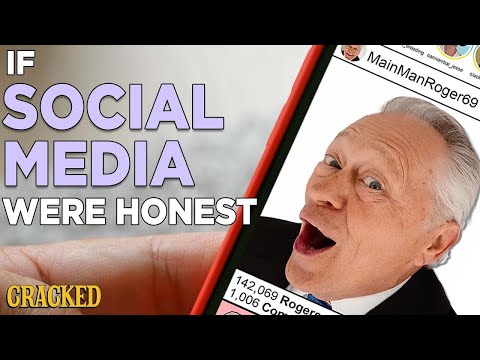
The rise of the internet in the 1990s and early 2000s fundamentally disrupted advertising in media. Banner ads, email marketing, and early search engine advertising (think Google AdWords) introduced the concept of measurable, data-driven promotion. By the 2010s, social media platforms like Facebook, Twitter, and Instagram became advertising goldmines, enabling brands to target users based on interests, behaviors, demographics, and even life events with surgical precision.
The Current Landscape: Programmatic and AI-Driven Advertising
Today, programmatic advertising powered by artificial intelligence and machine learning automates the buying, placement, and optimization of ads in media across thousands of platforms in real time. Advertisers no longer need to negotiate ad space manually; algorithms handle the entire process, ensuring that the right message reaches the right person at the right moment.
Types of Ads in Media
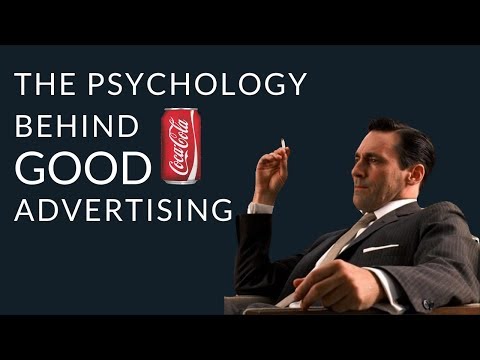
The diversity of advertising formats available today is staggering. Each type serves a unique purpose and performs differently depending on the audience and platform.
- Display Advertising — Visual banner ads, rich media, and interstitial placements on websites and apps.
- Video Advertising — Pre-roll, mid-roll, and post-roll ads on streaming platforms, YouTube, and connected TV services.
- Social Media Advertising — Sponsored posts, stories, reels, and influencer partnerships on platforms like Instagram, TikTok, LinkedIn, and X.
- Search Engine Advertising — Pay-per-click (PPC) ads on Google, Bing, and other search engines that target users based on active intent.
- Native Advertising — Ads that blend seamlessly with the editorial content of a platform, such as sponsored articles and recommended content widgets.
- Podcast Advertising — Host-read endorsements, mid-roll mentions, and dynamic ad insertion within podcast episodes.
- Connected TV (CTV) Advertising — Ads delivered through internet-connected televisions, including smart TVs and streaming devices like Roku and Apple TV.
- Out-of-Home (OOH) Advertising — Digital billboards, transit ads, and location-based screen networks that combine traditional reach with programmatic targeting.
How Ads in Media Shape Consumer Behavior
Advertising in media does far more than inform consumers about products — it actively shapes perception, triggers emotional responses, and influences purchasing decisions at every stage of the buyer journey. Cognitive psychology plays a central role here. Repetition creates familiarity, and familiarity builds trust. When a consumer repeatedly encounters a brand’s message across different media channels, the brain begins to associate that brand with reliability and relevance.
Emotional storytelling is another powerful lever. Research consistently shows that ads in media that evoke strong emotions — whether joy, nostalgia, humor, or even controversy — generate higher engagement and stronger brand loyalty. Companies like Apple, Nike, and Dove have built entire brand identities around emotionally resonant advertising that goes beyond product features to tap into deeper human values.
Social proof and influencer-driven advertising have also become critical components. When a trusted creator endorses a product through sponsored content, the audience perceives the recommendation as authentic and personally relevant, which dramatically increases the likelihood of conversion.
Traditional vs. Digital Media Advertising
Comparing traditional and digital advertising in media reveals both complementary strengths and significant differences in reach, targeting, measurability, and cost efficiency.
| Feature | Traditional Media Advertising | Digital Media Advertising |
| Targeting | Broad demographic targeting based on circulation or viewership | Precision targeting based on behavior, interests, and real-time data |
| Measurement | Estimated impressions, Nielsen ratings, readership surveys | Real-time analytics, click-through rates, attribution models, ROAS |
| Cost Structure | High upfront costs, fixed placement rates | Flexible budgets, pay-per-click, pay-per-impression models |
| Engagement | One-way communication, limited interaction | Two-way interaction, clickable, shareable, commentable |
| Reach Speed | Slower, dependent on publication or broadcast schedule | Instant deployment, global reach within minutes |
| Longevity | Ephemeral (TV/radio) or semi-permanent (print) | Evergreen potential with SEO and content repurposing |
The most effective media strategies today do not choose between traditional and digital — they integrate both. A television spot can drive social media engagement, a billboard can direct audiences to a mobile-optimized landing page, and a podcast mention can boost search visibility. This omnichannel approach ensures that ads in media work together synergistically rather than in isolation.
Expert Tips for Creating Effective Media Ads
Creating ads in media that actually resonate with audiences requires a combination of creative intuition and data-driven strategy. Here are practical recommendations backed by industry experience:
- Know your audience deeply. Use first-party data, customer personas, and behavioral insights to craft messages that feel personally relevant rather than generic.
- Prioritize storytelling over selling. Consumers are ad-fatigued. Ads that tell compelling stories create emotional connections that outperform hard-sell tactics every time.
- Optimize for mobile first. Over 60% of digital media consumption happens on mobile devices. If your ad does not render beautifully on a small screen, you are losing your audience before it even engages.
- Test relentlessly. A/B test headlines, visuals, calls to action, and landing pages. Small incremental improvements compound into massive performance gains over time.
- Leverage cross-platform retargeting. A consumer who sees your brand on one platform is significantly more likely to convert after seeing a follow-up ad on another platform. Sequence your creative strategically.
- Focus on viewability and attention. An ad that is technically served but never seen is wasted spend. Use viewability metrics and attention analytics to ensure your budget is effective.
The Future of Ads in Media
The next generation of advertising in media is being shaped by several transformative trends. Artificial intelligence will enable hyper-personalized creative generation, producing thousands of ad variations tailored to individual users in real time. Augmented reality (AR) and virtual reality (VR) are creating immersive ad experiences that blur the line between content and promotion — imagine trying on virtual clothing through a social media filter or exploring a virtual store from your living room. The deprecation of third-party cookies is pushing the industry toward first-party data strategies and privacy-preserving attribution models, which will reward brands that build direct relationships with their audiences. Connected TV advertising is projected to surpass traditional TV ad spending within the next few years, signaling a permanent shift in how audiences consume video content. Short-form video, particularly on platforms like TikTok and Instagram Reels, will continue to dominate attention and set the creative standards for ads in media across every channel.
Frequently Asked Questions
What are the most effective types of ads in media for small businesses?
For small businesses with limited budgets, search engine advertising and social media advertising typically deliver the highest return on investment. These channels offer flexible spending options, precise audience targeting, and transparent performance metrics that allow you to optimize campaigns in real time without wasting budget on untargeted impressions.
How do ads in media influence brand perception?
Media advertising shapes brand perception by reinforcing values, emotions, and associations in the consumer’s mind. Consistent, high-quality advertising across multiple media channels builds trust and familiarity, while inconsistent or low-quality ads can damage credibility and erode audience confidence over time.
What is the difference between advertising in media and content marketing?
Advertising in media involves paid placements designed to promote a product, service, or brand directly. Content marketing, on the other hand, focuses on creating valuable, organic content that attracts and engages audiences without an explicit sales pitch. The most effective strategies combine both approaches, using paid ads to amplify high-quality content for maximum reach and impact.
Why are ads in media becoming more personalized?
Personalization is driven by advances in data collection, artificial intelligence, and machine learning. Advertisers now have access to unprecedented amounts of behavioral data, enabling them to deliver individualized messages that align with each user’s specific interests, past interactions, and real-time context. Personalized ads consistently outperform generic ones in engagement and conversion rates.
How has the rise of ad blockers affected advertising in media?
Ad blockers have forced the media advertising industry to pivot toward less intrusive, more valuable formats. Native advertising, sponsored content, influencer partnerships, and product placement have gained prominence because they provide genuine value to the audience rather than interrupting their experience. The trend toward acceptable ads and user-first advertising experiences continues to reshape how brands approach their strategies.
Conclusion
Ads in media remain one of the most powerful tools for brand building, audience engagement, and business growth in the modern economy. From the iconic television commercials of the past to the AI-powered, hyper-targeted campaigns of today, the fundamental goal of advertising has not changed — to connect the right message with the right person at the right time. The brands that will thrive in the coming decade are those that embrace both the creative and analytical dimensions of advertising in media, stay adaptable as technologies evolve, and prioritize genuine value over attention-grabbing gimmicks. Whether you are just beginning to explore media advertising or refining an established strategy, the principles remain the same: know your audience, tell compelling stories, measure relentlessly, and always put the consumer experience first.