



Advertisements in marketing serve as the connective tissue between brands and their target audiences, bridging the gap between product awareness and consumer action. In today’s hyper-competitive marketplace, understanding how advertising fits into the broader marketing ecosystem isn’t optional—it’s essential for every business owner, marketer, and entrepreneur who wants to drive measurable results. Whether you’re running a small e-commerce store or managing a global brand campaign, advertisements remain one of the most powerful tools for reaching consumers at scale, shaping brand perception, and influencing purchasing decisions. This guide dives deep into the world of advertisements in marketing, covering everything from foundational concepts to advanced strategies that real professionals use to outperform their competition.
What Are Advertisements in Marketing?
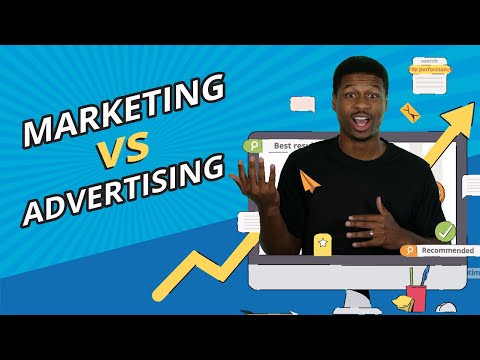
At its core, advertising in marketing refers to the paid, persuasive communication that businesses use to promote their products, services, or ideas to a specific audience. Unlike organic marketing efforts—such as search engine optimization or content marketing—advertisements require a financial investment to place a message in front of consumers. The key distinction that sets advertising apart from other promotional tools is the element of paid placement, which gives marketers direct control over who sees their message, where it appears, and when it reaches the audience.
Advertisements in marketing operate across multiple channels, including digital platforms, television, radio, print media, outdoor billboards, and emerging technologies like augmented reality. Each channel offers unique advantages depending on your audience demographics, budget constraints, and campaign objectives. The most successful marketing strategies blend multiple advertising formats to create cohesive brand experiences that resonate with consumers across every touchpoint.
Types of Advertisements in Marketing
Understanding the different categories of advertisements is crucial for building a diversified marketing mix. Here are the most prominent types that every marketer should know:
1. Digital Advertising
Digital ads dominate the modern marketing landscape, encompassing search engine marketing, social media advertising, display banners, video ads, and native advertising. Platforms like Google Ads, Meta Ads Manager, and TikTok Ads Manager allow marketers to target users based on demographics, interests, behaviors, and intent signals with remarkable precision.
2. Traditional Advertising
This category includes television commercials, radio spots, newspaper and magazine placements, and outdoor advertising such as billboards and transit ads. While digital has grown significantly, traditional advertising still holds substantial value for reaching broad audiences and building brand credibility.
3. Print Advertising
Magazines, newspapers, brochures, and direct mail pieces continue to serve niche markets effectively. Print advertisements often carry a sense of authority and permanence that digital formats sometimes struggle to replicate.
4. Broadcast Advertising
Television and radio advertisements remain powerful for mass-market campaigns. The combination of audio and visual elements in broadcast media creates emotional connections that drive brand recall and loyalty.
5. Native Advertising
Sponsored content that blends seamlessly with the user experience—such as promoted articles, in-feed social media posts, and recommended content widgets—falls under native advertising. These ads tend to generate higher engagement because they don’t disrupt the user’s journey as abruptly as traditional display ads.
The Role of Advertisements in a Marketing Strategy
Advertisements don’t exist in isolation. They function as one component of an integrated marketing strategy that includes branding, public relations, sales promotions, and customer relationship management. The primary roles that advertising plays within this framework include:
- Building Brand Awareness — Introducing your brand to new audiences who have never encountered your products or services before.
- Driving Demand and Interest — Creating desire and urgency through compelling messaging and strategic calls to action.
- Educating Consumers — Communicating product features, benefits, and differentiators that help prospects make informed decisions.
- Reinforcing Brand Identity — Maintaining top-of-mind awareness and strengthening emotional connections with existing customers.
- Generating Leads and Conversions — Directing prospects toward specific actions, whether that’s filling out a form, making a purchase, or downloading a resource.
When advertisements are strategically aligned with broader marketing goals, they amplify every other effort in your funnel. A well-crafted ad campaign can shorten sales cycles, increase customer lifetime value, and create compounding returns on investment over time.
Digital Advertising vs. Traditional Advertising
One of the most common debates in the marketing world revolves around digital versus traditional advertising. Both have distinct strengths, and the right choice depends on your audience, budget, and objectives. Here’s a detailed comparison:
| Feature | Digital Advertising | Traditional Advertising |
| Targeting Precision | Highly precise with behavioral and demographic filters | Broad targeting based on medium and publication reach |
| Cost Structure | Flexible budgets with pay-per-click and CPM models | Higher upfront costs for production and placement |
| Measurability | Real-time analytics and detailed performance tracking | Limited metrics, often relying on estimates |
| Audience Reach | Global reach with instant scalability | Geographically constrained based on media distribution |
| Engagement Format | Interactive, multimedia-rich, and personalized | Static formats with limited interaction |
| Lifespan | Agile—can be updated or paused instantly | Fixed once published or aired |
| Trust and Credibility | Varies; requires consistent brand building | Often perceived as more established and trustworthy |
The most effective marketing teams don’t choose one over the other—they leverage both strategically. For example, a company might run television commercials to build broad brand awareness while simultaneously running retargeting ads on social media to convert interested prospects into paying customers.
Best Practices for Creating Effective Advertisements
Writing advertisements that actually convert requires more than creative flair. It demands a deep understanding of your audience, a clear value proposition, and disciplined execution. Here are expert-level recommendations that separate average ads from high-performing ones:
- Know your audience intimately. Develop detailed buyer personas that include psychographics, pain points, and media consumption habits. Your ad copy should speak directly to the specific frustrations and aspirations of your ideal customer.
- Lead with a compelling hook. The first two seconds of a video ad or the first line of a text ad determine whether your audience keeps engaging. Use curiosity-driven statements, bold claims, or relatable scenarios to capture attention immediately.
- Focus on benefits, not features. Consumers don’t buy specifications—they buy outcomes. Translate every product feature into a tangible benefit that improves the customer’s life or solves a real problem.
- Include a clear, specific call to action. Every advertisement should tell the viewer exactly what to do next. Phrases like “Shop the sale,” “Start your free trial,” or “Claim your discount” outperform vague prompts like “Learn more.”
- Test and iterate relentlessly. A/B testing headlines, visuals, copy variations, and landing page experiences should be a non-negotiable part of every campaign. Data-driven optimization beats guesswork every single time.
- Maintain brand consistency. Use consistent visual identity, tone of voice, and messaging across all advertising channels to reinforce brand recognition and build trust over time.
Measuring Advertising Performance and ROI
You can’t improve what you don’t measure. Advertising in marketing must be tied to concrete performance metrics that reveal whether your spend is generating meaningful returns. Key performance indicators to track include:
- Click-Through Rate (CTR) — Measures the percentage of people who click on your ad after seeing it, indicating relevance and appeal.
- Cost Per Acquisition (CPA) — Tracks how much you spend to gain each new customer or lead, directly reflecting advertising efficiency.
- Return on Ad Spend (ROAS) — Calculates revenue generated for every dollar spent on advertising, giving you a clear profitability picture.
- Impressions and Reach — Quantify how many people were exposed to your ad, which is critical for awareness campaigns.
- Conversion Rate — Reveals the percentage of ad clicks that result in the desired action, whether that’s a purchase, signup, or download.
- Customer Lifetime Value (CLV) — Helps you understand the long-term value of customers acquired through advertising, informing budget allocation decisions.
Advanced marketers also leverage multi-touch attribution models to understand how different advertising touchpoints contribute to the customer journey. Rather than crediting only the last click before conversion, multi-touch attribution assigns value to every interaction—from the initial display ad to the final retargeting message—giving you a more accurate picture of your advertising impact.
Emerging Trends in Marketing Advertisements
The advertising landscape is evolving rapidly, driven by technological innovation and shifting consumer behavior. Several trends are reshaping how brands approach their ad strategies:
AI-Powered Creative Optimization — Machine learning algorithms now analyze thousands of ad variations to automatically identify which combinations of copy, imagery, and targeting deliver the best results. This reduces manual effort while improving campaign performance at scale.
Short-Form Video Dominance — Platforms like TikTok, Instagram Reels, and YouTube Shorts have made bite-sized video content the preferred format for engaging younger demographics. Brands that invest in authentic, snackable video ads are capturing attention in increasingly crowded feeds.
Privacy-First Advertising — With the phase-out of third-party cookies and increasing data privacy regulations, marketers are shifting toward first-party data strategies and contextual advertising that respects user privacy while still delivering relevant experiences.
Interactive and Shoppable Ads — Consumers now expect ads that go beyond passive viewing. Shoppable social media posts, interactive polls, and augmented reality experiences allow users to engage with brands directly within the ad itself, reducing friction in the path to purchase.
FAQs About Advertisements in Marketing
What is the primary purpose of advertisements in marketing?
The primary purpose of advertisements in marketing is to deliver a persuasive, paid message to a target audience with the goal of building awareness, generating interest, and driving specific actions such as purchases, sign-ups, or brand engagement. Ads amplify marketing efforts by ensuring that the right message reaches the right people at the right time, creating opportunities for conversion that organic efforts alone may not achieve.
How much should a small business budget for advertising in marketing?
Small businesses should allocate between 5% and 12% of their gross revenue to marketing and advertising, depending on industry, growth stage, and competitive landscape. For advertising specifically, a common starting point is dedicating 7% to 8% of revenue. The key is to start with a test budget, measure performance rigorously, and scale spend toward channels and campaigns that demonstrate the strongest return on investment.
What makes an advertisement effective in a crowded market?
An effective advertisement cuts through the noise by combining a clear value proposition, emotionally resonant messaging, strong visual design, and a specific call to action. Relevance is king—the more precisely an ad aligns with the target audience’s needs and desires, the more likely it is to generate engagement and conversions. Authenticity and differentiation also play critical roles in capturing attention and building trust in competitive markets.
How do I choose the right advertising channel for my brand?
Choose your advertising channels based on where your target audience spends their time, the nature of your product or service, and your campaign objectives. For B2C brands targeting younger demographics, TikTok and Instagram offer strong engagement. For B2B companies, LinkedIn and Google Search capture decision-makers actively seeking solutions. Consider running small pilot campaigns across two or three channels and let performance data guide your final allocation.

Can advertisements in marketing work without a large budget?
Absolutely. Modern advertising platforms offer powerful targeting tools that allow even small budgets to achieve meaningful results when used strategically. The key is to focus on highly specific audiences, write compelling ad copy that resonates deeply, and continuously optimize based on performance data. A well-targeted campaign with a modest budget will always outperform a poorly targeted campaign with a large budget.
Final Thoughts
Advertisements in marketing remain a cornerstone of business growth, offering unmatched ability to amplify brand messaging, reach new audiences, and drive measurable revenue. Success in advertising doesn’t come from spending the most—it comes from spending strategically, testing relentlessly, and staying attuned to how consumer behavior and technology continue to evolve. By mastering the principles outlined in this guide and committing to continuous learning and optimization, you can build advertising campaigns that not only capture attention but deliver lasting business results. The brands that thrive in the modern marketplace are the ones that treat advertising not as a cost center, but as a growth engine powered by insight, creativity, and data-driven decision-making.