Email marketing remains one of the most powerful digital channels for building relationships, driving revenue, and nurturing loyal audiences. But here’s the reality most marketers overlook: sending bulk messages to a purchased list is not effective email marketing. True effectiveness comes from strategy, segmentation, personalization, and consistent value delivery. Whether you are just launching your first newsletter or scaling an enterprise-level automation framework, understanding what makes email campaigns actually work can mean the difference between inbox clutter and measurable business growth. In this comprehensive guide, we walk through the principles, strategies, and advanced techniques that separate average campaigns from genuinely effective ones.
What Makes Email Marketing Effective?
Effective email marketing is not about hitting send and hoping for the best. It is a deliberate process built on understanding your audience, delivering relevant content at the right time, and continuously optimizing based on real performance data. At its core, it combines list management, content strategy, automation, and analytical rigor into a unified system that drives engagement and conversions.
The Foundation: Permission and Trust
Every successful email marketing strategy starts with permission-based list building. When subscribers opt in willingly, they signal interest and trust. This trust is your most valuable asset. Violating it through spammy tactics, excessive frequency, or irrelevant content erodes that trust quickly. Focus on earning each subscriber through clear value propositions, honest sign-up forms, and transparent communication about what they will receive.
Why Email ROI Stands Out
For every dollar spent on email marketing, the average return is estimated between $36 and $42, depending on the industry. This exceptional ROI comes from email’s direct line to the consumer’s inbox, its low cost relative to other channels, and the ability to personalize at scale. Unlike social media algorithms that limit organic reach, your email list is an owned audience you control entirely.
Building a High-Quality Email List That Converts

A massive list means nothing if the subscribers are disengaged or irrelevant. Quality always trumps quantity in email marketing. A smaller, highly engaged list will consistently outperform a large, unresponsive one in deliverability, open rates, and revenue generation.
Strategies for Growing Your Subscriber Base
- Lead Magnets: Offer valuable resources like e-books, checklists, templates, or exclusive guides in exchange for email addresses. The key is relevance—your lead magnet should directly solve a problem your audience faces.
- Content Upgrades: Provide bonus content tied to specific blog posts or articles. This creates a natural, low-friction opt-in point.
- Pop-Ups and Slide-Ins: When used strategically and sparingly, these can capture attention without annoying visitors. Exit-intent pop-ups are particularly effective.
- Webinar and Event Registration: Hosting free educational events naturally builds a list of interested prospects.
- Referral Programs: Encourage existing subscribers to share your content with friends, rewarding both the referrer and the new subscriber.
List Hygiene and Maintenance
Regularly clean your email list by removing inactive subscribers, correcting bounced addresses, and updating preferences. A healthy list improves sender reputation, boosts deliverability rates, and ensures your engagement metrics reflect real audience behavior rather than inflated numbers.
Crafting Emails That People Actually Want to Read
Content quality determines whether your emails get opened, read, and acted upon. Every element of your email—from the subject line to the call-to-action—must work together to guide the reader toward a specific action.

Subject Lines and Preheaders That Drive Opens
Your subject line is the single most important element of any email campaign. It determines whether your message lands in the inbox or gets deleted. Effective subject lines are concise, curiosity-driven, and personalized where possible. Keep them under 50 characters to avoid truncation on mobile devices.
Preheader text—the snippet that appears after the subject line in the inbox—should complement and extend your subject line rather than repeat it. Use this space wisely to add context or create urgency.
Email Body Best Practices
- Write with a single goal in mind: Each email should have one primary purpose, whether it is driving a purchase, sharing insights, or encouraging a click.
- Use conversational language: Write as if you are speaking to one person, not a crowd. Personalization goes beyond inserting a first name—it means understanding your reader’s needs and speaking directly to them.
- Keep paragraphs short: Dense blocks of text reduce readability. Break content into digestible sections with clear headings.
- Design for mobile: Over 60% of emails are opened on mobile devices. Responsive templates, large tap targets, and concise layouts are non-negotiable.
- Include a clear, prominent CTA: Every email should tell the reader exactly what to do next. Use action-oriented button text like “Get Your Free Guide” instead of generic “Click Here.”
Email Marketing Automation: Working Smarter, Not Harder
Automation is the backbone of scalable email marketing. By setting up triggered sequences and behavioral workflows, you deliver the right message to the right person at exactly the right moment—without manual intervention.
Essential Automated Email Workflows
| Workflow Type | Trigger | Purpose |
| Welcome Series | New subscriber joins | Introduce your brand, build trust, and set expectations |
| Abandoned Cart Recovery | User leaves items in cart | Re-engage hesitant buyers with reminders and incentives |
| Post-Purchase Follow-Up | Customer completes a purchase | Deliver order confirmation, ask for reviews, suggest related products |
| Re-Engagement Campaign | Subscriber inactive for 30-90 days | Win back disengaged contacts or clean the list |
| Lead Nurturing Sequence | Lead downloads a resource | Educate and guide prospects toward a purchase decision |
| Birthday/Anniversary Emails | Date-based trigger | Build personal connection and boost engagement |
Segmentation: The Key to Relevance
Segmentation allows you to divide your list into smaller groups based on demographics, behavior, purchase history, or engagement level. Instead of sending the same message to everyone, you tailor content to each segment’s unique needs and interests. This dramatically improves open rates, click-through rates, and overall campaign performance.
Metrics That Matter: Tracking and Optimizing Performance
Data-driven decision making separates good email marketers from great ones. By tracking the right metrics, you gain insights into what works, what doesn’t, and where to focus your improvement efforts.
Core Email Marketing KPIs
| Metric | What It Measures | Industry Benchmark |
| Open Rate | Percentage of recipients who open your email | 15-25% depending on industry |
| Click-Through Rate (CTR) | Percentage who click a link within the email | 2-5% average |
| Conversion Rate | Percentage who complete the desired action | 1-3% average |
| Bounce Rate | Percentage of undeliverable emails | Below 2% is healthy |
| Unsubscribe Rate | Percentage who opt out after receiving an email | Below 0.5% is ideal |
| Revenue per Email | Average revenue generated per email sent | Varies widely by niche |
Pay close attention to list growth rate and engagement velocity over time. These longitudinal indicators reveal the health of your email program more accurately than any single campaign metric.
Advanced Strategies for Experienced Marketers

If you have mastered the fundamentals, it is time to layer in advanced techniques that compound your results over time.
Dynamic Content and Personalization at Scale
Dynamic content blocks allow you to show different content within the same email based on subscriber attributes. This means a single campaign can speak to multiple audience segments simultaneously without creating separate versions for each. Combine this with behavioral triggers—like browsing history or past purchase data—to deliver hyper-relevant product recommendations and content suggestions.
A/B Testing Everything
Never assume you know what works. Run A/B tests on subject lines, send times, email copy, CTA placement, design elements, and send frequency. Even small, data-backed changes can produce significant lifts in engagement over time. Test one variable at a time, run experiments long enough to reach statistical significance, and implement winning variations as your new baseline.
Integrating Email with Your Broader Marketing Ecosystem
Your email strategy should not exist in isolation. Connect your email platform with your CRM, e-commerce system, and advertising tools. This integration enables richer segmentation, retargeting audiences based on email engagement, and creating closed-loop attribution that proves email’s contribution to revenue.
Common Mistakes That Undermine Email Effectiveness
Avoid these pitfalls that silently destroy campaign performance:
- Buying email lists: This damages sender reputation, tanks deliverability, and violates anti-spam regulations like CAN-SPAM and GDPR.
- Ignoring mobile optimization: If your emails don’t render well on smartphones, you are losing the majority of your audience.
- Inconsistent sending schedules: Erratic emailing confuses subscribers and trains them to ignore your messages.
- No clear call-to-action: Every email should guide the reader toward one specific action.
- Neglecting list segmentation: Sending generic emails to everyone reduces relevance and engagement.
- Skipping list cleanup: Stale, unengaged contacts hurt deliverability and inflate your metrics.
Final Thoughts on Building an Effective Email Marketing Program
Effective email marketing is an ongoing process, not a one-time setup. It requires consistent effort in list building, content creation, segmentation, automation, and optimization. The marketers who win at email are the ones who treat their subscribers as individuals, deliver genuine value in every message, and commit to continuous improvement based on real data. Start with the fundamentals outlined in this guide, iterate based on performance, and gradually layer in advanced techniques as your skills and audience grow. The ROI potential is enormous—but it only materializes when you approach email marketing with strategy, discipline, and genuine care for your subscribers’ experience.
Frequently Asked Questions
How often should I send marketing emails to my subscribers?
There is no universal ideal frequency because it depends entirely on your audience, industry, and content quality. Most successful email marketers find that one to three emails per week strikes the right balance between staying visible and avoiding fatigue. The key is consistency—pick a schedule you can sustain and communicate it clearly during the subscription process so expectations are set from day one.
What is the best email marketing software for small businesses?
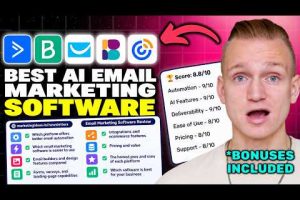
Tools like Mailchimp, ConvertKit, and ActiveCampaign offer robust features at accessible price points for small businesses. Your choice should depend on your specific needs: ConvertKit excels at content creators and bloggers, ActiveCampaign offers powerful automation capabilities, and Mailchimp provides a user-friendly interface with solid reporting. Prioritize ease of use, deliverability reputation, and scalability when making your decision.
How can I improve my email open rates?
Improving open rates starts with crafting compelling, concise subject lines that spark curiosity or offer clear value. Personalize where appropriate, test different send times to find when your audience is most active, and ensure your sender name is recognizable. Over time, focus on list quality—removing unengaged subscribers naturally improves your open rate metrics because only active, interested contacts remain.
What are the legal requirements for email marketing?
Key regulations include CAN-SPAM in the United States, GDPR in Europe, and CASL in Canada. Core requirements across all frameworks include clear opt-in mechanisms, easy unsubscribe options, accurate sender identification, and honest subject lines. Non-compliance can result in significant fines and damaged reputation, so invest time in understanding the laws that apply to your audience’s locations.
How do I measure the success of an email marketing campaign?
Track a combination of engagement metrics—open rates, click-through rates, and conversion rates—and business outcomes like revenue per email and return on investment. Set clear goals before each campaign, compare results against previous sends and industry benchmarks, and use A/B testing to isolate what drives improvement. The most effective marketers review performance weekly and adjust strategies based on trends they observe.