


When you are running digital advertising campaigns, where your ads appear matters just as much as what they say. Ad placement examples across different platforms reveal a fascinating world of strategic decisions that directly impact click-through rates, conversion performance, and return on investment. Whether you are a marketing manager launching your first display campaign or a seasoned performance marketer optimizing a seven-figure budget, understanding real-world ad placement examples gives you the competitive edge you need. In this comprehensive guide, we walk through the most effective ad placement scenarios, break down why they work, and give you actionable recommendations you can apply immediately to your own campaigns.
Why Ad Placement Examples Matter for Your Marketing Strategy
Ad placement is the backbone of digital advertising performance. Even the most creative ad copy will underperform if it lands in the wrong environment or appears where your target audience cannot see it. Studying ad placement examples across multiple platforms helps you understand the psychology of user behavior, the mechanics of each advertising network, and the specific contexts that drive engagement. The difference between a placement that generates a 0.3% click-through rate and one that achieves 4.5% often comes down to context, visibility, and relevance rather than creative quality alone.

Marketers who analyze ad placement examples systematically build stronger campaigns because they learn from proven patterns. You stop guessing where your ads should appear and start making data-driven decisions grounded in real performance benchmarks.
Top Ad Placement Examples Across Digital Platforms
Let us explore the most impactful ad placement examples you can leverage today, organized by platform type and format.
Native Advertising Placements
Native advertising placements blend seamlessly into the surrounding content, making them feel like a natural part of the user experience rather than an interruption. This approach has consistently delivered some of the highest engagement rates in digital marketing.
- Taboola and Outbrain content recommendations: These platforms place sponsored links within content feeds on publisher websites. The ads appear as recommended articles or products, marked subtly as “Promoted” or “Sponsored.”
- Sponsored in-feed articles on news sites: Brands publish native-style articles that sit within editorial feeds on sites like The Washington Post, BuzzFeed, or Forbes.
- In-image advertising placements: Platforms like GumGum insert brand messages directly into relevant images, creating a non-intrusive visual ad experience.
The key advantage of native placement examples is that they align with user intent. Readers who are already engaged with content are more receptive to relevant brand messaging, which leads to higher trust and better conversion outcomes.
Social Media Ad Formats and Positions
Social media platforms offer diverse ad placement examples that cater to different campaign objectives, audience segments, and creative formats.
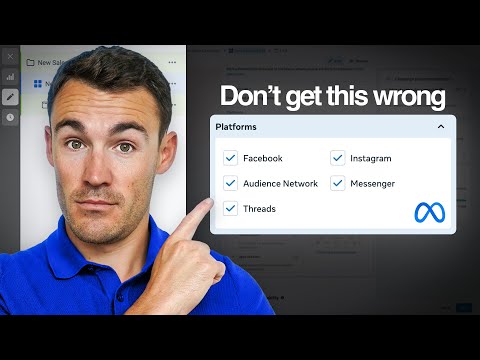
- Facebook and Instagram Feed Ads: These appear natively within organic content streams. Placement examples include single image ads, carousel ads, and video ads that users scroll past during their daily browsing.
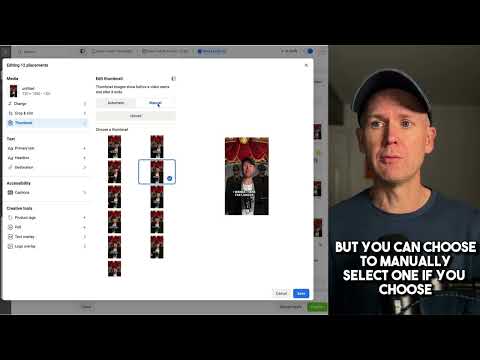
- Instagram Stories and Reels Ads: Full-screen vertical placements that appear between user-generated stories and reels. These placements typically achieve higher engagement because they command the user’s full attention.
- Facebook Marketplace Ads: Sponsored product listings that appear within the marketplace browsing experience, ideal for e-commerce brands targeting purchase-ready shoppers.
- LinkedIn Sponsored Content and InMail: B2B placements that appear in professional feeds or arrive directly as private messages, highly effective for lead generation campaigns.
- TikTok In-Feed and Branded Hashtag Ads: Native video placements within the TikTok discovery feed, often achieving viral-level reach when the creative resonates with the platform’s culture.
Each of these social media ad placement examples serves a different funnel stage. Feed ads work well for awareness and consideration, while marketplace and InMail placements are better suited for bottom-of-funnel conversion targeting.
Search Engine Ad Positions
Search engine advertising remains one of the most intent-driven channels available. The placement position within search results dramatically affects visibility and performance.
- Google Ads above organic results: The top position on Google search results pages consistently receives the highest click-through rates, though it also commands the highest cost-per-click.
- Google Shopping ads in the product carousel: These visual placement examples appear at the top of search results with product images, prices, and store names, driving strong e-commerce conversions.
- Google Responsive Search Ads in sidebar positions: While Google has reduced sidebar ads on desktop, some placements still appear alongside organic results.
- Bing Ads extended text placements: Bing offers competitive placement examples with lower cost-per-click values, making it a strong secondary search channel.
Analyzing search ad placement examples reveals that position one through three captures the vast majority of clicks, but lower positions often deliver better conversion rates because users who click through have stronger purchase intent.
Comparison Table of Ad Placement Performance Benchmarks
The following table compares common ad placement examples with typical performance metrics, giving you a realistic benchmark for your own campaigns.
| Ad Placement Type | Average CTR Range | Best Use Case | Cost Level |
| Native Content Recommendations | 0.3% – 1.2% | Brand awareness, content promotion | Low to Medium |
| Social Media Feed Ads | 0.5% – 1.8% | Engagement, lead generation | Medium |
| Instagram Stories Ads | 0.8% – 2.5% | Product showcases, video storytelling | Medium to High |
| Google Search Top Position | 3% – 6% | High-intent purchase capture | High |
| Google Shopping Carousel | 1.5% – 4.0% | E-commerce product discovery | Medium to High |
| LinkedIn Sponsored Content | 0.2% – 0.7% | B2B lead generation | High |
| YouTube Pre-Roll Video Ads | 0.1% – 0.5% | Brand awareness at scale | Medium |
| Programmatic Display Banners | 0.05% – 0.3% | Retargeting, broad reach | Low to Medium |
As you can see from this comparison, each ad placement example carries a distinct cost-to-performance profile. The right choice depends on your campaign goals, budget, and target audience.
Best Practices for Choosing the Right Ad Placement
Selecting the optimal placement for your ads requires more than picking the highest-trafficked position. Here are expert recommendations that separate high-performing campaigns from wasted ad spend.
- Match placement to user intent: Search ads capture active intent, while display and native placements work best for passive discovery. Choose your ad placement examples accordingly.
- Test multiple positions simultaneously: Run A/B tests across at least three placement options before committing your full budget. Most platforms support automated split testing.
- Consider viewability metrics: An ad that loads below the fold or in a slow-scrolling sidebar may receive thousands of impressions but zero views. Prioritize placements with verified above-the-fold visibility.
- Align creative format with placement dimensions: A wide banner placement requires different creative than a vertical story format. Always design for the specific placement specifications.
- Monitor brand safety settings: Poor placement context can damage your brand reputation. Use exclusion lists and category filters to ensure your ads appear alongside appropriate content.
Following these best practices ensures that your ad placement strategy maximizes return while protecting your brand equity.
Advanced Ad Placement Strategies for Experienced Marketers
Once you have mastered the basics, these advanced techniques will help you extract maximum performance from your campaigns.
Programmatic Placement Targeting
Programmatic advertising platforms allow you to target specific placements at scale using first-party data, contextual signals, and AI-driven optimization. Instead of relying on broad network placements, you can hand-pick the exact publisher sites, app inventory, and content categories where your ads will appear. This granular approach often improves both viewability and conversion rates compared to automated broad targeting.
Dynamic Placement Adjustment Based on Performance Data
Advanced marketers use real-time placement data to dynamically shift budgets toward the highest-performing ad placement examples. By setting automated rules that increase bids on top placements and pause underperforming ones, you create a self-optimizing campaign that continuously improves its return on ad spend.
Cross-Platform Placement Sequencing
Sophisticated campaigns use a sequential approach where the first touchpoint is a broad awareness placement like a YouTube pre-roll or programmatic display ad, followed by retargeting through social feed ads and search. This placement sequencing strategy guides prospects through the funnel more effectively than any single placement alone.
Conclusion

Understanding ad placement examples is not just about knowing where ads appear—it is about recognizing why certain positions drive better results and how to replicate that success across your own campaigns. From native content recommendations and social feed ads to search engine top positions and programmatic display inventory, each placement type offers unique advantages and challenges. The most successful marketers treat placement selection as a strategic discipline, continuously testing, analyzing, and refining their approach. Start by studying the placement examples outlined in this guide, implement A/B testing across multiple positions, and let performance data guide your decisions. When you combine creative excellence with strategic placement intelligence, your campaigns will consistently outperform the competition.
Frequently Asked Questions
What is the best ad placement example for e-commerce brands? Google Shopping ads in the product carousel and Facebook Marketplace ads are the most effective placement examples for e-commerce. These formats appear when users are actively browsing or searching for products, which captures high purchase intent and drives direct conversions. Combining both placements creates a powerful discovery and retargeting loop.
How do I determine which ad placement examples will work for my specific industry? Start by researching competitors’ ad placements using tools like Facebook Ad Library and Google Ads transparency reports. Analyze which placements their ads use, then test similar positions in your own campaigns. Supplement this with platform-specific placement reports to identify which inventory sources deliver the lowest cost and highest engagement in your niche.
Can mixing different ad placement examples improve overall campaign performance? Yes, a diversified placement strategy typically outperforms relying on a single placement type. By combining upper-funnel placements like programmatic display or video pre-roll with lower-funnel options like search ads and retargeting display, you create multiple touchpoints that guide prospects through the customer journey and increase overall conversion volume.
What are the most common mistakes marketers make with ad placement selection? The most frequent errors include ignoring viewability metrics, failing to exclude low-quality inventory, using the same placement for all campaign objectives, and not updating placement lists based on performance data. Avoid these pitfalls by regularly reviewing placement-level reports and adjusting your strategy based on actual results rather than assumptions.
How has AI changed the way we approach ad placement examples? Artificial intelligence has transformed ad placement selection by enabling real-time bidding, automated placement optimization, and predictive performance modeling. AI-powered platforms can analyze thousands of placement options simultaneously, shifting budget toward high-performing inventory and away from underperforming positions faster than any human team could manually manage.