


In today’s hyper-competitive marketplace, knowing how to advertise your brand effectively can mean the difference between blending into the background and becoming the go-to name in your industry. Brand advertising isn’t just about slapping a logo on a billboard — it’s a strategic discipline that builds recognition, trust, and emotional connection with your audience over time. Whether you’re a startup founder figuring out your first campaign or a seasoned marketer looking to refine your approach, this guide walks you through everything you need to know about brand promotion, from foundational principles to advanced tactics that drive real results.
What Does It Mean to Advertise Your Brand?
At its core, advertising your brand means promoting your company’s identity, values, and offerings to your target market through deliberate, sustained messaging. Unlike product advertising, which highlights a specific item or service, brand advertising focuses on the bigger picture — who you are, what you stand for, and why customers should choose you over competitors.
Understanding Brand Advertising Fundamentals
Effective company advertisement rests on three pillars: awareness, perception, and loyalty. Awareness ensures people know you exist. Perception shapes how they feel about you. Loyalty turns casual buyers into lifelong advocates. Every brand visibility effort you launch should serve at least one of these pillars. When planning your strategy, consider these foundational elements:
- Brand voice — the personality and tone behind all your communications
- Visual identity — logos, color palettes, typography, and design systems
- Positioning statement — what makes you uniquely valuable in your niche
- Value proposition — the clear promise you make to every customer
Why Brand Advertising Is Critical for Business Growth
Some businesses assume they can skip brand promotion and rely purely on performance marketing — paid search, direct-response ads, and discount codes. While these tactics generate short-term revenue, they won’t build lasting competitive advantage. Here’s why investing in how to advertise a brand matters:
- Builds Trust and Credibility — Consistently showing up with polished messaging signals professionalism. Customers trust brands they recognize.
- Drives Premium Pricing — Strong brands can charge more because customers perceive higher value. Think Apple, Nike, or Dyson.
- Attracts Top Talent — Your brand reputation doesn’t just influence customers; it influences job candidates too.
- Creates Emotional Loyalty — People don’t just buy products; they buy into stories, values, and identities. Brand advertising taps into this powerfully.
- Provides Resilience During Downturns — Brands with strong recognition and loyalty weather economic storms far better than anonymous competitors.
How to Advertise Your Brand: A Step-by-Step Guide
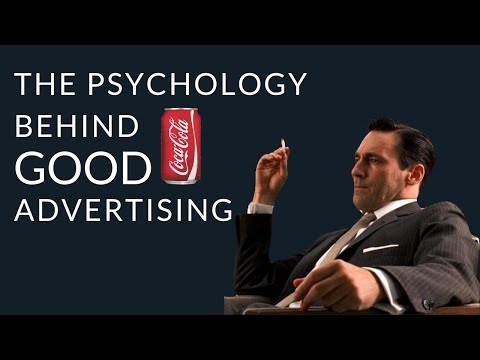
Step 1 — Define Your Brand Identity
Before you spend a single dollar, get crystal clear on who you are as a brand. Draft a brand style guide that covers your mission, vision, voice, and aesthetic. This document becomes the north star for every piece of advertising your brand content you create. Without it, campaigns feel scattered and confusing.
Step 2 — Identify Your Target Audience
Know exactly who you’re trying to reach. Build detailed buyer personas that include demographics, psychographics, pain points, and media consumption habits. The more specific your audience definition, the more targeted and effective your brand visibility efforts will be. Use tools like Google Analytics, social media insights, and customer surveys to gather real data.
Step 3 — Choose the Right Advertising Channels
Not every platform suits every brand. Your channel selection should align with where your audience actually spends time. Here’s a quick comparison of popular brand promotion channels:
| Channel | Best For | Strengths | Limitations |
| Social Media (Instagram, TikTok, LinkedIn) | Visual storytelling, community building | High engagement, precise targeting | Algorithm-dependent, organic reach declining |
| Search Engine Marketing (Google Ads) | Capturing high-intent users | Immediate visibility, measurable ROI | Costly keywords, limited brand storytelling |
| Content Marketing (Blogs, YouTube) | Authority building, long-term SEO value | Drives organic traffic, establishes expertise | Slow results, requires consistent effort |
| Traditional Media (TV, Radio, Print) | Mass reach, credibility | Broad audience penetration | Expensive, hard to measure direct impact |
| Out-of-Home (Billboards, Transit Ads) | Local awareness, repeated exposure | High daily impressions | Limited targeting, no direct interaction |
Types of Brand Advertising Strategies
Once you’ve laid the groundwork, it’s time to explore specific strategies for advertising your brand. Here are the most proven approaches used by top marketers:

- Content-Driven Brand Advertising — Creating valuable articles, videos, podcasts, and infographics that position your brand as a thought leader.
- Influencer and Ambassador Partnerships — Collaborating with trusted voices in your industry to expand reach authentically.
- Experiential Marketing — Hosting events, pop-ups, or interactive experiences that let people engage with your brand firsthand.
- Emotional Storytelling — Crafting narratives that resonate on a human level, connecting your brand to values like hope, resilience, or joy.
- Community Building — Fostering forums, groups, or loyalty programs that turn customers into brand advocates.
- Reputation and PR Campaigns — Leveraging press coverage, awards, and media mentions to amplify credibility.
Brand Advertising Metrics and KPIs You Should Track
What gets measured gets improved. When you invest in brand promotion, track these key performance indicators to prove value and optimize campaigns:
- Brand Awareness — Direct traffic, branded search volume, social media reach and impressions
- Brand Sentiment — Social listening data, review ratings, comment tone analysis
- Engagement Rate — Likes, shares, comments, saves, and time-on-site metrics
- Share of Voice — How much of the industry conversation mentions your brand versus competitors
- Customer Lifetime Value (CLV) — Whether brand efforts translate into repeat purchases and higher spend over time
- Net Promoter Score (NPS) — How likely customers are to recommend your brand to others
Common Mistakes When You Advertise Your Brand
Even well-funded campaigns can fail if you avoid these frequent pitfalls:
- Inconsistency across channels — Using different tones, visuals, or messaging on different platforms fragments your identity.
- Ignoring data and analytics — Flying blind without tracking performance wastes budget and opportunities.
- Chasing every trend — Not every viral format fits your brand. Stay authentic.
- Over-promising — Exaggerated claims erode trust faster than silence ever could.
- Neglecting existing customers — Advertising should nurture loyal fans, not just chase new ones.
Expert Tips for Advanced Brand Promotion
Ready to elevate your brand advertising game? Here are insider strategies that separate good campaigns from great ones:
- Use multi-touch attribution — Understand how each touchpoint contributes to brand awareness and conversion, not just the last click.
- Invest in proprietary research — Commission original surveys, reports, or studies that position your brand as the authoritative source in your field.
- Build a brand content ecosystem — Instead of isolated posts, create interconnected content that guides audiences through a narrative arc.
- Test creative relentlessly — A/B test headlines, visuals, CTAs, and formats. Small tweaks often yield significant lifts in engagement.
- Localize global campaigns — If you operate in multiple markets, adapt messaging culturally rather than just translating text.
Brand Advertising for Every Level
Beginner Tips
Start small but start now. Claim your social media profiles, build a simple but professional website, and ensure your branding is consistent everywhere. Focus on one or two channels where your audience lives. Post regularly and engage authentically.
Intermediate Strategies

At this stage, invest in content marketing and paid social campaigns. Start tracking KPIs seriously, build email lists, and experiment with influencer partnerships. Consider running brand awareness studies to benchmark your progress.
Advanced Tactics
For mature brands, focus on share of voice optimization, programmatic advertising, predictive analytics, and community-driven growth. Explore owned media channels like podcasts or newsletters, and consider brand acquisitions or co-branding partnerships to accelerate reach.
Frequently Asked Questions About Brand Advertising
What is the best way to advertise my brand for a small business?
Small businesses benefit most from focused social media presence, Google Business Profile optimization, and local content marketing. Consistency and authenticity matter more than big budgets at this stage.
How long does it take to see results from brand advertising?
Brand advertising is a long-term investment. Most businesses start noticing measurable improvements in awareness and sentiment within three to six months, with significant impact appearing after twelve months of consistent effort.
Can brand advertising directly increase sales?
While brand advertising primarily drives awareness and trust, it indirectly boosts sales by making your brand the default choice when customers are ready to buy. Strong brand equity reduces price sensitivity and increases conversion rates over time.
How much should I budget for brand promotion?
Common recommendations range from 5% to 12% of your annual revenue, depending on your industry, growth stage, and competitive landscape. New businesses may need to allocate more aggressively to build initial recognition.
What’s the difference between brand advertising and performance advertising?
Brand advertising builds long-term recognition, trust, and emotional connection. Performance advertising targets immediate actions like clicks, sign-ups, or purchases. The most successful companies use both in balance.
How do I measure the ROI of brand advertising?
Track metrics like branded search volume, direct traffic growth, share of voice, and customer lifetime value. While brand advertising doesn’t produce instant, line-item ROI, these indicators show its cumulative financial impact.
Conclusion
Advertising your brand is not a one-time project — it’s an ongoing commitment to showing up, telling your story, and connecting with your audience in meaningful ways. From defining your identity and choosing the right channels to tracking sophisticated metrics and avoiding common mistakes, the strategies outlined here give you a comprehensive roadmap. Whether you’re just starting out or refining an established presence, the principles remain the same: be consistent, be authentic, be data-informed, and always put your audience first. The brands that win aren’t always the loudest — they’re the ones people trust, remember, and recommend. Start building that trust today.