


The world of campaign advertising has evolved dramatically over the past few decades, transforming from simple billboards and television spots into a sophisticated ecosystem of digital storytelling, data-driven targeting, and multi-channel engagement. Whether we’re talking about a groundbreaking political campaign ad that shifted public opinion or a marketing campaign ad that turned a modest brand into a household name, the principles of effectiveness remain remarkably consistent. Today, the best campaign ads don’t just sell a product or a candidate — they create cultural moments. They tap into shared emotions, challenge assumptions, and leave audiences thinking long after the screen goes dark. In this comprehensive guide, we’ll dissect what truly separates top-performing campaign ads from forgettable ones, explore real-world examples across platforms, and arm you with expert strategies whether you’re a beginner or a seasoned advertising professional.
What Makes a Campaign Ad the “Best”? Key Criteria for Success
Before diving into specific examples and strategies, it’s essential to understand what actually defines a best-in-class campaign advertisement. The term “best” is subjective, but in advertising, it almost always circles back to measurable outcomes paired with creative excellence. A best campaign ad simultaneously captures attention, communicates a clear message, and drives action — whether that action is casting a vote, purchasing a product, or sharing content with peers.
Emotional Resonance and Storytelling
The most effective campaign ads leverage storytelling at every level. Rather than rattling off features or policy positions, top-tier advertisements build narratives that audiences can see themselves in. Think about iconic political campaign ads from the last century — the ones still studied in business schools today almost always centered on a human story, not a policy document. Similarly, the best marketing campaign ads tap into universal feelings: nostalgia, aspiration, belonging, or even productive discomfort. Emotional resonance creates memorability, and memorability drives results.
Clarity of Message and Call-to-Action
Even the most beautifully produced campaign ad will fail if the audience doesn’t know what to do next. Clarity is non-negotiable. Every effective campaign advertisement should pass the “three-second test” — can a viewer understand the core message and intended action within three seconds? This doesn’t mean oversimplifying your content; it means being ruthless about prioritization. Strong calls-to-action in campaign advertising are specific, visible, and aligned with the campaign’s broader objectives.
Top Characteristics of the Best Campaign Ads Ever Made
Across political, commercial, and social-impact campaigns, certain characteristics consistently separate the winners from the rest. Here are the non-negotiable traits that define top-performing campaign ads:
- Audience-Centric Focus: The best ads start with deep audience understanding. They address specific pain points, desires, and values rather than broadcasting generic messages.
- Visual Consistency: Strong campaign advertising maintains a cohesive visual identity — color palettes, typography, and imagery that reinforce brand or candidate recognition.
- Platform Adaptation: Effective campaign ads are not one-size-fits-all. A digital campaign advertisement optimized for Instagram looks and performs differently from one designed for YouTube or television.
- Data-Informed Decisions: Modern top-performing campaign ads rely on A/B testing, audience analytics, and performance metrics to refine creative and delivery timing.
- Cultural Timing: The best campaign ads feel timely. They connect to current conversations, seasonal moments, or cultural shifts without appearing exploitative.
- Authenticity: Audiences today have a highly sensitive radar for inauthenticity. Genuine, honest campaign advertisements consistently outperform polished but hollow alternatives.
Best Campaign Ads Across Different Platforms

Television Campaign Ads
Television remains a powerful medium for campaign advertising, particularly for political campaigns and large-scale product launches. The best TV campaign ads combine cinematic production quality with emotional storytelling. Political campaign ads on television often leverage dramatic music, carefully selected footage, and precise editing rhythms to build tension or inspire trust. For commercial purposes, television campaign advertisements benefit from broad reach and the ability to convey complex narratives in 30- or 60-second formats. The key to success on this platform is ensuring your message is visually compelling enough to work even with sound off, given rising rates of muted viewing.

Digital and Social Media Campaign Ads
Digital campaign advertising has become the backbone of modern promotion strategies. Platforms like Facebook, Instagram, TikTok, Google Ads, and YouTube each offer unique formats for campaign ads — from short-form vertical video to search-optimized text ads. The best digital campaign ads are native to their platform. A TikTok campaign advertisement should feel like a TikTok, not a television commercial crammed into a vertical frame. Social media campaign ads also benefit from interactivity: polls, swipe-up links, and user-generated content integrations can dramatically boost engagement rates. Retargeting and lookalike audiences allow advertisers to refine who sees their campaign ads, improving relevance and conversion simultaneously.
Print and Outdoor Campaign Ads
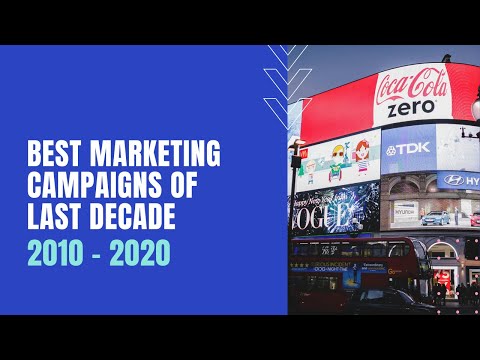
While print and outdoor advertising might seem old-school, the best campaign ads still leverage these channels effectively, especially for local political campaigns or brand awareness initiatives. A brilliant print campaign advertisement uses bold imagery, minimal text, and a single clear call-to-action. Billboards and transit ads work best when the message is scannable at highway speeds. The physical permanence of outdoor campaign advertising gives it a unique advantage — repeated exposure builds familiarity over time, which is a psychological advantage digital ads often struggle to replicate.
Comparison Table: Best Campaign Ads by Platform
| Platform | Best For | Ideal Ad Length | Key Strength | Primary Metric |
| Television | Broad awareness, political campaigns | 30–60 seconds | Emotional storytelling at scale | Reach and frequency |
| Facebook/Instagram | Targeted marketing, community building | 15–60 seconds (video) | Demographic and interest targeting | Click-through rate |
| TikTok | Youth engagement, virality | 9–30 seconds | Native short-form content | Engagement rate |
| Google/Search | High-intent audiences, conversions | Text + extensions | Capturing active demand | Conversion rate |
| Outdoor/Print | Local awareness, brand permanence | N/A (visual) | Repeated passive exposure | Brand recall |
Advanced Strategies for Creating High-Performing Campaign Ads
Once you’ve mastered the fundamentals, it’s time to level up. Advanced campaign advertising requires a blend of creative intuition and technical precision. Here are the strategies that separate competent advertisers from true experts:
- Implement Multi-Touch Attribution Modeling. Don’t rely solely on last-click attribution. Understanding how your campaign ads work together across touchpoints gives you a clearer picture of which channels drive real outcomes.
- Leverage Sequential Storytelling. Instead of condensing your entire message into a single ad, create a series where each campaign advertisement builds on the previous one. This approach is particularly powerful for political campaign ads and product launches.
- Use Creative Variations at Scale. Produce multiple creative versions of your core message and let platform algorithms serve the best combinations to different audience segments. This dynamic creative optimization approach consistently improves campaign ad performance.
- Build Community, Not Just Awareness. The best campaign ads invite participation. Encourage user-generated content, respond to comments with video replies, and create hashtag campaigns that turn passive viewers into active advocates.
- Conduct Competitive Creative Audits. Regularly analyze what your competitors are doing with their campaign advertising. Identify gaps in their messaging that your top-performing campaign ads can fill, and note creative approaches you should avoid.
- Test Psychographic Targeting. Beyond demographics, psychographic campaign ads that align with audience values, lifestyles, and personality traits consistently outperform broad targeting strategies.
Common Mistakes to Avoid When Running Campaign Ads
Even experienced marketers make costly mistakes with their campaign advertisements. Here are the most frequent pitfalls to watch for:
- Overloading the message: Trying to communicate too many ideas in a single ad dilutes impact. Focus on one core takeaway per campaign ad.
- Ignoring mobile optimization: Over 70% of digital campaign ad impressions occur on mobile devices. If your ad doesn’t look flawless on a small screen, it’s losing money.
- Neglecting frequency caps: Showing the same campaign ad too often leads to ad fatigue, which tanks engagement and brand perception.
- Skipping pre-testing: Launching campaign ads without focus groups or A/B tests is like navigating blind. Even small pre-launch tests can reveal critical issues.
- Misaligned landing pages: Your best campaign ad is worthless if the landing page it sends traffic to doesn’t reinforce the same message and offer.
Expert Tips for Maximizing ROI on Your Campaign Ads
To extract maximum value from every dollar spent on campaign advertising, implement these battle-tested recommendations. First, always set clear, measurable objectives before designing your ad — “brand awareness” is not specific enough; instead, target a specific lift in unaided recall within a defined demographic. Second, allocate at least 15-20% of your budget to testing new creative formats and audience segments. The best campaign ads evolve continuously based on performance data. Third, synchronize your campaign ads across channels with unified messaging. A viewer who sees your digital campaign advertisement, then encounters the same visual theme on television, experiences multiplied trust and recognition. Fourth, invest in professional video production even for short-form content — viewers can instantly tell the difference between polished and amateur campaign ads, and credibility matters enormously. Finally, track post-campaign sentiment, not just click metrics. The best campaign ads shift public perception, and that shift is measurable through surveys, social listening tools, and brand health tracking.
Frequently Asked Questions (FAQs)
Viral campaign ads typically combine unexpected storytelling, strong emotional triggers, and shareability built into the creative itself. They also tend to tap into cultural conversations, making viewers feel like sharing the ad is an expression of their own identity or values. Authenticity and brevity are additional catalysts.
How much should a small business spend on campaign advertising?
For small businesses, a practical starting budget for campaign advertising ranges from $500 to $2,000 per month on digital platforms, with allocations adjusted based on testing results. The key is to start lean, measure aggressively, and scale what works. Political campaign ads on a local level may require different budgeting strategies focused on targeted media markets.
What is the ideal length for a digital campaign ad?
For digital campaign advertisements, 15 to 30 seconds is the sweet spot for platforms like TikTok, Instagram Reels, and YouTube pre-roll. Facebook campaign ads perform well at 30-60 seconds. However, the best-performing campaign ads prioritize message clarity over strict time targets — a 12-second ad that nails the message outperforms a 45-second ad that rambles.
How do I measure the effectiveness of my campaign ads?
Effectiveness measurement depends on your campaign objectives. For awareness campaigns, track impressions, reach, and brand recall surveys. For conversion-focused campaign advertising, monitor click-through rates, cost-per-acquisition, and return on ad spend. The most sophisticated advertisers use multi-touch attribution models and cohort analysis to understand long-term impact beyond immediate conversions.
Are political campaign ads different from marketing campaign ads?
The core principles overlap significantly — both rely on emotional storytelling, clear messaging, and audience targeting. However, political campaign ads operate under stricter regulations, face different audience skepticism dynamics, and often prioritize trust-building over direct transactions. Marketing campaign ads typically have clearer purchase-funnel alignment. Understanding these distinctions helps professionals create more effective content in either domain.
What role does music play in the best campaign ads?
Music is one of the most powerful tools in campaign advertising. The right soundtrack can elevate emotional resonance by up to 40%, according to neuromarketing research. The best campaign ads use music intentionally — whether it’s a stirring orchestral score in a political campaign ad or a trending audio clip in a social media campaign advertisement. Music must match the pacing, the narrative arc, and the emotional intent of the advertisement.
Conclusion
The best campaign ads are never accidents. They emerge from deep audience understanding, disciplined creative strategy, relentless testing, and a willingness to adapt across platforms and contexts. Whether you’re crafting your first political campaign ad or scaling a multi-channel digital campaign advertisement for a global brand, the fundamentals remain the same: lead with emotion, clarify your message, and make every second count. The advertising landscape will continue to shift — new platforms, new formats, new audience behaviors — but the brands and candidates who master campaign advertising will always find ways to connect, persuade, and inspire. Start with the principles outlined above, invest in quality, measure everything, and remember that even the most iconic campaign ads began as a single bold creative decision.