Social media advertising has become one of the most powerful tools for businesses of every size to reach their target audiences, drive conversions, and build brand awareness. But if you are planning a campaign, the first question that almost always comes up is: what is the cost of social media ads? The answer is far more nuanced than a single number. Costs vary dramatically depending on the platform you choose, your industry, your audience targeting, your bidding strategy, and even the time of year. Understanding these variables is the difference between wasting your ad budget and getting a measurable return on investment. In this comprehensive guide, we break down everything you need to know about social media advertising costs, platform-by-platform comparisons, the hidden factors that drive prices up or down, and actionable strategies to maximize every dollar you spend.
Understanding the Cost of Social Media Ads: What You Are Actually Paying For
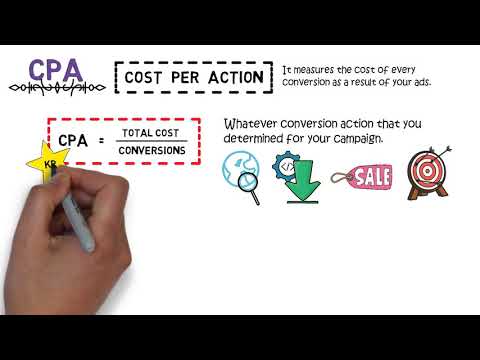
Before diving into specific numbers, it helps to understand how social media platforms charge advertisers. Most platforms use one of three pricing models:
- CPC (Cost Per Click) — You pay each time a user clicks on your ad.
- CPM (Cost Per Mille) — You pay per 1,000 impressions your ad receives.
- CPE (Cost Per Engagement) — You pay when a user likes, comments, shares, or otherwise interacts with your ad.
These models mean that the cost of social media advertising is not a fixed fee. It is a dynamic, auction-based system. Every time a user opens an app, an auction happens behind the scenes. Advertisers bid on that user’s attention based on targeting parameters, ad quality, and budget. The platform rewards ads that generate high engagement with lower costs, while poorly performing ads get priced out of the auction. This is why ad relevance and creative quality directly impact your spending.
Average Social Media Ad Costs by Platform
Different platforms attract different audience demographics, intent levels, and competition. Here is a realistic breakdown of what most businesses can expect when budgeting for social media advertising in 2024 and beyond.
| Platform | Average CPC | Average CPM | Best For |
| Facebook / Instagram | $0.50 – $2.00 | $5 – $15 | Brand awareness, lead generation, e-commerce |
| $3.00 – $6.00 | $25 – $50 | B2B lead generation, recruiting | |
| X (Twitter) | $0.50 – $1.50 | $4 – $10 | Newsjacking, brand visibility, real-time engagement |
| TikTok | $0.30 – $1.00 | $3 – $10 | Video content, younger demographics, virality |
| $0.10 – $1.50 | $2 – $5 | E-commerce, DIY, home & lifestyle niches | |
| Snapchat | $0.50 – $1.20 | $4 – $8 | Gen Z audiences, product launches |
These figures are averages across industries. A competitive niche like insurance or legal services will push costs significantly higher, while a less saturated market may deliver even better-than-average results. Always treat these numbers as benchmarks, not guarantees.
Why Facebook and Instagram Still Dominate the Ad Spend Landscape
Meta’s combined ecosystem remains the most heavily used advertising platform globally. The cost of social media ads on Facebook and Instagram tends to be accessible for small and medium-sized businesses, which is partly why these platforms dominate ad budgets. The advanced audience targeting tools — including custom audiences, lookalike audiences, and detailed interest-based segmentation — give advertisers an unmatched ability to reach the right people at the right time. However, rising competition in 2024 means that CPC rates have steadily climbed in many verticals, making creative quality and landing page optimization more critical than ever.
Key Factors That Influence Social Media Advertising Costs

If you have ever wondered why two businesses in the same industry might see wildly different ad costs, the answer lies in the many variables platforms use to determine pricing. Here are the most influential factors.
- Industry and Competition — High-value industries like finance, insurance, and legal services face intense competition for ad space, driving up the cost per click and cost per impression dramatically.
- Audience Targeting Specificity — Narrower audiences are harder to reach and more expensive. Broad targeting can lower your CPM but may reduce conversion quality.
- Ad Relevance Score / Quality Ranking — Platforms evaluate your ad’s expected engagement. Higher relevance leads to lower costs and better placement.
- Ad Format — Video ads, carousel ads, and interactive formats often outperform static image ads, which can justify slightly higher costs but deliver better ROI.
- Geographic Location — Advertising to audiences in the United States, United Kingdom, Canada, and Australia typically costs more than targeting audiences in emerging markets.
- Seasonality and Timing — Q4 (October–December) sees a massive spike in ad competition, pushing costs up by 20–50% compared to off-peak months.
- Bidding Strategy — Manual bidding gives you control, while automatic bidding relies on the platform’s algorithm to optimize for your goals.
Cost Breakdown by Advertising Objective
The goal you set for your campaign directly affects how platforms price your ads. Here is a breakdown of common objectives and what you should expect.
| Campaign Objective | Typical Cost Range | Best Use Case |
| Brand Awareness | $1 – $5 per 1,000 impressions | New product launches, audience building |
| Traffic | $0.50 – $2.00 per click | Driving users to a website or blog |
| Lead Generation | $1.50 – $5.00 per lead | Email list building, gated content |
| App Installs | $1.00 – $4.00 per install | Mobile app promotion |
| Conversions / Sales | $5 – $50+ per conversion | E-commerce, direct sales campaigns |
| Video Views | $0.01 – $0.05 per view | Brand storytelling, product demos |
Conversion campaigns generally carry the highest cost because platforms optimize for actions that generate revenue. However, they also tend to deliver the highest ROI when your landing page and offer are well-optimized.
Tips and Strategies to Reduce Your Social Media Ad Costs
Lowering your cost of social media ads without sacrificing performance is entirely possible — but it requires a strategic approach. Here are expert-backed recommendations that consistently deliver results.
1. Improve Your Ad Creative Constantly
Run A/B tests on ad copy, visuals, and calls to action. Even small changes — like swapping a stock photo for a user-generated image — can reduce your CPC by 20–30%. Platforms reward fresh, engaging creative with lower auction prices.
2. Narrow Your Audience With Exclusions
Instead of targeting a massive audience and hoping for the best, exclude people who have already converted, purchased, or engaged with your brand. This improves relevance and prevents wasted spend.
3. Optimize Landing Pages for Speed and Relevance
Ad platforms factor in post-click experience. A slow or irrelevant landing page increases bounce rates, which signals poor quality and raises your costs. Aim for sub-three-second load times and a clear, single-action layout.
4. Use Retargeting Campaigns Strategically
Retargeting audiences typically cost 30–50% less than cold audiences because they already know your brand. Build custom audiences from website visitors, video viewers, and past purchasers to maximize efficiency.
5. Adjust Bids Based on Performance Data
Monitor your campaigns daily during the first two weeks. Shift budget toward the best-performing ad sets and pause underperformers before they drain your budget.
Frequently Asked Questions About Social Media Ad Costs
How much does it cost to run social media ads for a small business?
Most small businesses see meaningful results spending between $200 and $2,000 per month across platforms like Facebook and Instagram. Starting with a modest daily budget of $10–$20 allows you to gather data, optimize creative, and scale what works before committing larger amounts.
What is the cheapest social media platform for advertising?
Pinterest and TikTok often offer the lowest CPM rates, especially for e-commerce and lifestyle brands. However, “cheapest” does not always mean “best.” The most cost-effective platform is the one where your specific audience is most active and engaged.
How long does it take to see a return on social media ad spend?
Most campaigns need a minimum 7–14 day learning period before performance data becomes reliable. During this time, the platform’s algorithm is testing different audience combinations and optimizing delivery. Expect your cost per result to decrease significantly after the learning phase stabilizes.
Can you run social media ads for free?
While you cannot run paid ads for free, organic social media content — including posts, stories, reels, and community engagement — remains a powerful zero-cost strategy. Many brands use organic content to build trust and then amplify their best-performing posts with paid promotion at a fraction of the cost of cold campaigns.
Why did my social media ad costs suddenly increase?
Sudden cost increases are usually caused by one or more of these factors: increased competition in your industry, seasonal demand spikes, changes in platform algorithms, exhausted audiences that need refreshing, or ad fatigue from showing the same creative too frequently. Rotating creatives and refreshing audiences typically restores cost efficiency.
Is it worth hiring an agency to manage social media ad costs?
For businesses that lack in-house expertise or time, an experienced agency can often reduce cost per acquisition by 20–40% through optimized bidding, creative testing, and audience strategy. However, agencies typically charge a management fee of 10–20% of your ad spend, so the math only makes sense when the savings outweigh the fees.
Final Thoughts: Making the Cost of Social Media Ads Work for You
The cost of social media ads is not a fixed expense — it is a variable that responds directly to your strategy, creativity, and discipline. By understanding how platforms price ads, choosing the right objectives and targeting parameters, and continuously optimizing your campaigns, you can achieve impressive results even on a modest budget. The brands that win in social media advertising are not always the ones with the biggest budgets. They are the ones that test the most, learn the fastest, and invest in creative quality that cuts through the noise. Start with a clear goal, track your metrics religiously, and treat every campaign as a learning opportunity. Over time, those disciplined efforts compound into a sustainable, profitable social media advertising engine that scales with your business.