


In today’s hyper-competitive e-commerce landscape, banner ads on Amazon have become one of the most powerful tools brands and sellers use to capture attention, drive traffic, and accelerate sales. Whether you’re a newcomer just starting to explore Amazon advertising or a seasoned seller looking to refine your display ad strategy, understanding how banner advertising works on the world’s largest online marketplace can fundamentally change your growth trajectory. Amazon offers multiple ad formats — from Sponsored Display ads to Amazon DSP (Demand-Side Platform) campaigns — that allow you to place visually compelling banners in front of shoppers at precisely the right moment. This comprehensive guide breaks down everything you need to know about Amazon banner ads, from setup mechanics and targeting strategies to creative best practices and advanced optimization techniques that separate average advertisers from top performers.
What Are Banner Ads on Amazon?
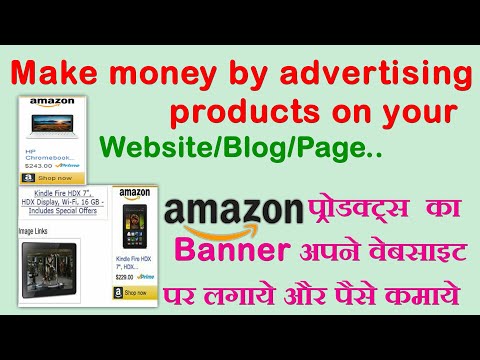
Banner ads on Amazon are visual advertisements that appear across Amazon’s vast ecosystem — including product detail pages, search results pages, the homepage, and even off-Amazon websites through Amazon’s advertising network. These ads use image-based or interactive formats to promote products, brands, or deals to highly targeted audiences. Unlike plain-text sponsored search ads, banner formats leverage striking visuals, bold headlines, and clear calls-to-action to grab consumer attention in a crowded shopping environment.
Types of Amazon Banner Advertising Formats
- Sponsored Display Ads (In-Search & In-Market): Self-service banner ads that appear in Amazon search results and on product detail pages. These are the most accessible entry point for sellers wanting to run display-style campaigns.
- Amazon DSP Banner Ads: Programmatic display campaigns run through Amazon’s Demand-Side Platform, offering advanced audience targeting and the ability to reach shoppers both on and off Amazon.
- Sponsored Brand Ads: Header-based banner ads that appear at the top of search results, featuring your brand logo, a custom headline, and up to three product images.
- Amazon Attribution Banners: Off-Amazon ad placements that use Amazon attribution links to track traffic back to your Amazon listings from external websites, social media, or influencer content.
How Amazon Banner Ads Work
Amazon’s advertising infrastructure operates on a real-time bidding (RTB) system. When a shopper visits Amazon or a partnered website, the ad auction triggers in milliseconds. Advertisers set bids based on their campaign goals — whether that’s clicks, conversions, or impressions — and Amazon’s algorithm determines which ads to display. The beauty of the system is that it rewards relevance: ads that closely match a shopper’s search intent or browsing behavior tend to win auctions at lower costs.
Amazon DSP vs. Sponsored Display: Choosing the Right Path
One of the most common decisions advertisers face is choosing between Amazon DSP and self-service Sponsored Display campaigns. Here’s a comparison to help clarify:
| Feature | Sponsored Display | Amazon DSP |
| Accessibility | Available to all sellers and brands | Requires agency relationship or direct enrollment |
| Targeting Scope | In-market, interest-based, and ASIN targeting | Lifestyle, life events, demographic, and custom audiences |
| Off-Amazon Reach | Limited (primarily Amazon properties) | Extensive — reaches millions of third-party sites |
| Creativity Control | Standard templates | Full creative customization with rich media |
| Minimum Budget | Low (can start with $10/day) | Higher minimums, typically $35,000+ quarterly |
| Best For | Sellers and SMBs | Established brands and agencies |
Key Benefits of Running Banner Ads on Amazon
The advantages of investing in Amazon display advertising extend well beyond simple visibility. Here’s why experienced sellers consider banner campaigns a non-negotiable part of their marketing mix:
- Shopper Intent Capture: Banner ads placed on search results and product pages intercept customers who are already in a buying mindset, dramatically improving conversion rates compared to cold traffic.
- Brand Awareness at Scale: With Amazon reaching hundreds of millions of active customer accounts, your banner impressions put your brand in front of an enormous, primed audience.
- Retargeting Capability: You can retarget shoppers who visited your product listings but didn’t purchase, bringing them back with tailored creative messaging.
- Data-Rich Insights: Amazon provides detailed reporting on impressions, clicks, click-through rates, conversion rates, and advertising cost of sales (ACoS), giving you clear visibility into campaign performance.
- Competitive Moat: Running consistent banner campaigns helps you maintain top-of-page presence, making it harder for competitors to dominate prime real estate.
Setting Up Your First Amazon Banner Ad Campaign
Getting started with Amazon banner advertising doesn’t require a massive budget or a dedicated ad team. Follow this step-by-step framework to launch your first campaign efficiently:
Step-by-Step Campaign Launch Guide
- Choose Your Campaign Type: Log into Amazon Advertising and select either Sponsored Display (self-service) or Amazon DSP (if eligible). For most beginners, Sponsored Display is the recommended starting point.
- Define Your Objective: Decide whether your primary goal is product sales, brand awareness, or traffic generation. Amazon’s campaign manager lets you select from these objectives during setup.
- Select Targeting Method: Choose between automatic targeting (Amazon’s algorithm matches your ads to relevant audiences) and manual targeting (you select specific ASINs, interests, or categories).
- Set Your Budget and Bids: Start with a conservative daily budget — $10 to $25 per day is sufficient for initial testing. Set your bid strategy to “dynamic bids — down only” to minimize risk while collecting data.
- Upload Your Banner Creative: Design your ad image using Amazon’s supported formats (typically JPG or PNG, 1200×628 pixels for Sponsored Display). Write a compelling headline and clear call-to-action.
- Launch and Monitor: Once your campaign goes live, check performance daily for the first week. Look at click-through rates, cost-per-click, and early conversion signals.
Designing High-Converting Amazon Banner Ads
Creative quality is the single biggest differentiator between banner ads that convert and those that get ignored. Amazon shoppers are visually sophisticated, and your ad creative needs to meet their expectations. Here are expert-level design tips:

- Lead with the Product: Your main product image should occupy at least 60% of the banner space. Shoppers want to see what they’re potentially buying.
- Use Contrasting Headlines: Your headline should stand out against the background color. Bold, benefit-driven copy like “Save 30% Today” or “Amazon’s Choice Pick” outperforms generic phrases.
- Include Social Proof: If your product has strong reviews, incorporate a star rating or review count into the banner design. Trust signals significantly boost click-through rates.
- Mobile Optimization: Over 70% of Amazon shopping sessions happen on mobile devices. Design your banners with mobile screens in mind — text should be legible at smaller sizes, and CTAs should be easy to tap.
- A/B Test Relentlessly: Run multiple creative variations simultaneously. Test different color schemes, headline angles, and product angles to discover what resonates best with your audience.
Cost Structure and Budget Planning
Understanding how Amazon banner ads are priced helps you allocate your advertising budget wisely. Amazon primarily uses an auction-based pricing model where advertisers compete for ad placements.
Pricing Models Compared
| Model | How It Works | Typical Range | Best For |
| CPC (Cost Per Click) | You pay each time someone clicks your banner ad | $0.15 – $3.00+ depending on category | Driving traffic and sales |
| CPM (Cost Per Thousand Impressions) | You pay for every 1,000 times your ad is shown | $1.50 – $8.00 | Brand awareness campaigns |
| vCPM (Viewable CPM) | Payment only when the ad is viewable on screen | Varies by placement | Ensuring measurable visibility |
For most new campaigns, CPC is the recommended model because it directly ties spending to engagement. As your campaigns mature and brand awareness becomes a priority, shifting a portion of budget toward CPM placements can diversify your strategy effectively.
Measuring Performance: Essential Metrics & KPIs
Data-driven optimization is what separates profitable Amazon advertisers from those who burn through budgets. Track these core metrics religiously:
- Click-Through Rate (CTR): Measures how often people click your banner after seeing it. A healthy benchmark is 0.40%–0.80% on Amazon.
- Conversion Rate (CVR): The percentage of clicks that result in a purchase. Top-performing campaigns achieve 10%–25% conversion rates.
- Advertising Cost of Sales (ACoS): Your ad spend divided by ad-attributed sales. Aim to keep this below 30% for sustained profitability.
- Return on Ad Spend (ROAS): The inverse of ACoS — shows how much revenue you earn for every dollar spent. A ROAS of 4x or higher indicates strong performance.
- Average Position: Where your ad ranks in the auction. Positions 1–3 capture the majority of clicks.

Common Mistakes to Avoid with Amazon Banner Ads
Even experienced advertisers stumble into preventable pitfalls. Watch out for these frequent errors:
- Ignoring Search Term Reports: Failing to review which search terms trigger your ads leads to wasted spend on irrelevant queries.
- Setting and Forgetting: Amazon advertising requires continuous optimization. Campaigns that go untouched for weeks tend to lose efficiency.
- Over-Targeting: Casting too wide a net dilutes your relevance score and inflates costs. Start narrow, then expand based on data.
- Poor Landing Page Alignment: If your banner promises a deal or feature that doesn’t appear on your product page, shoppers bounce immediately.
- Neglecting Mobile Creatives: Using desktop-optimized banner dimensions for mobile placements crushes visibility and engagement.
Advanced Strategies for Scaling Amazon Banner Campaigns
Once your baseline campaigns are profitable, consider these advanced tactics to amplify results:
- Audience Layering: Combine interest-based targeting with purchase behavior data to reach high-intent shoppers who are most likely to convert.
- View-Through Remarketing: Target users who viewed your ASIN but didn’t click the ad, using Amazon DSP’s view-through remarketing lists.
- Portfolio Campaigns: Group multiple campaigns under a single portfolio to manage budgets and bids across products holistically.
- Off-Amazon Expansion: Use Amazon DSP to extend your banner reach to IMDb, Fire TV, Waze, and other Amazon-owned properties for multi-touchpoint brand storytelling.
- Seasonal Budget Pacing: Increase ad spend 2–3 weeks before peak shopping periods (Prime Day, Black Friday, holiday season) to preempt competitor bidding surges.
Frequently Asked Questions About Banner Ads on Amazon
Costs vary by category, competition, and targeting. Most advertisers spend between $10 and $50 daily during the testing phase, scaling to $200+ per day once profitable campaigns are identified. Amazon’s auction model means you only pay when someone interacts with your ad in most configurations.
Absolutely. Sponsored Display banner campaigns are accessible to individual sellers, vendors, and brands through the self-service Amazon Advertising console. You don’t need an agency or special enrollment — just a seller central account and a product listing that meets Amazon’s advertising eligibility requirements.
Amazon banner ads appear exclusively within Amazon’s ecosystem and its partnered properties, targeting shoppers with demonstrated purchase intent on the platform. Google display ads reach a broader internet audience across millions of websites. Amazon ads typically convert at higher rates because the audience is warmer and closer to a buying decision.
Initial data begins accumulating within 24–48 hours, but meaningful optimization insights typically require 7–14 days of campaign data. Most advertisers see their first sales within the first week if targeting and creative are properly aligned. Full optimization maturity usually takes 30–60 days.
Yes. Sponsored Display campaigns include built-in retargeting features that allow you to reach shoppers who viewed your product listings, competitor ASINs, or category pages. Amazon DSP offers even more sophisticated view-through and click-through retargeting capabilities for advanced advertisers.
For Sponsored Display ads, Amazon recommends JPEG or PNG files at 1200×628 pixels with a file size under 10MB. Ensure your main product is clearly visible, text is legible at mobile sizes, and avoid adding borders or excessive graphics that might violate Amazon’s advertising content policies.
Final Thoughts
Amazon banner ads represent a critical growth lever for any seller or brand serious about dominating e-commerce visibility. From the accessibility of Sponsored Display campaigns to the advanced reach of Amazon DSP, the platform offers scalable solutions for businesses at every stage. The key to success lies in combining strategic targeting, high-quality creative, disciplined budgeting, and continuous data-driven optimization. Start with a focused test, learn from the numbers, and iterate relentlessly — that’s the formula the top Amazon advertisers use to build sustainable, profitable advertising businesses. Your banner ads have the power to put your products in front of millions of ready-to-buy shoppers; the only question is whether you’ll seize that opportunity with confidence and precision.