


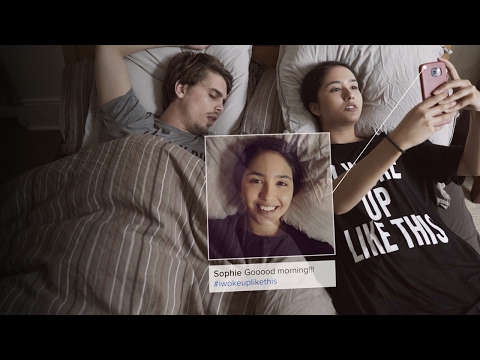
Social media advertisement has fundamentally transformed how businesses connect with their target audiences in the digital age. What was once a novelty has become an essential pillar of modern marketing strategy, with billions of people scrolling through platforms like Facebook, Instagram, TikTok, and LinkedIn every single day. Whether you are a small business owner trying to generate local leads or a global brand managing multi-million-dollar campaigns, understanding the nuances of social media advertising can mean the difference between wasted spend and explosive growth. This comprehensive guide dives deep into the strategies, platforms, formats, and best practices that separate average campaigns from truly high-performing ones.
What Is Social Media Advertising and Why It Matters
Social media advertising refers to the practice of using paid promotional content on social networking platforms to reach specific audiences, drive conversions, and build brand awareness. Unlike organic social media posting, where content reaches followers based on algorithmic luck, paid social ads allow marketers to target precise demographics, behaviors, interests, and custom audience segments with surgical accuracy. The global social media advertising market is projected to exceed $200 billion in annual spend, and for good reason — platforms have refined their targeting engines to deliver ads to users most likely to engage.
The importance of paid social extends beyond mere reach. It offers measurable return on investment, real-time performance tracking, and the ability to A/B test creative variations at scale. For businesses of every size, learning how to leverage social media advertising effectively is no longer optional — it is a competitive necessity.
How Social Media Advertising Works: The Core Mechanics
At its core, social media advertising operates through a bidding system where advertisers compete for ad placement within users’ feeds, stories, reels, and other native environments. Each platform uses a proprietary algorithm to determine which ads to show, to whom, and at what cost. The key mechanics involve audience targeting, bid strategy, ad creative, and budget allocation working together in harmony.
Key Advertising Models You Should Know
Different platforms offer distinct advertising models, and understanding them is crucial before launching any campaign:
- Cost Per Click (CPC): You pay each time a user clicks on your ad. This model works well for driving traffic and conversions.
- Cost Per Thousand Impressions (CPM): You pay per 1,000 ad views, making it ideal for brand awareness campaigns where click-through is secondary.
- Cost Per Action (CPA): You pay only when a user completes a specific action, such as signing up, downloading an app, or making a purchase.
- Cost Per View (CPV): Common on video-focused platforms like YouTube and TikTok, where you pay when a user watches a certain percentage of your video ad.
- Cost Per Engagement (CPE): You pay when users interact with your ad through likes, comments, shares, or clicks.
Major Social Media Platforms for Paid Advertising
Not every platform suits every business. Choosing the right social channels depends on your target audience, advertising goals, and budget. Below is a comparison of the leading platforms for paid social advertising.
| Platform | Primary Audience | Best For | Average CPC Range |
| Facebook / Meta Ads | Broad demographics, ages 25-55+ | Lead generation, e-commerce, brand awareness | $0.50 – $2.00 |
| Instagram Ads | Younger professionals, visual consumers | Product showcases, influencer partnerships, lifestyle brands | $0.70 – $2.50 |
| TikTok Ads | Gen Z and Millennials | Viral content, app installs, short-form video campaigns | $0.50 – $3.00 |
| LinkedIn Ads | Professionals and B2B decision-makers | B2B lead generation, SaaS, recruiting | $2.00 – $5.00+ |
| X (Twitter) Ads | News readers, tech-savvy audiences | Real-time engagement, event promotion | $0.40 – $1.50 |
| Pinterest Ads | Planners, shoppers, DIY enthusiasts | E-commerce, home decor, fashion, recipes | $0.10 – $1.50 |
Each platform offers unique ad placement options, from in-feed sponsored posts to story ads, carousel formats, and sponsored search results. The best approach is often a multi-platform strategy that aligns with where your ideal customers spend the most time.
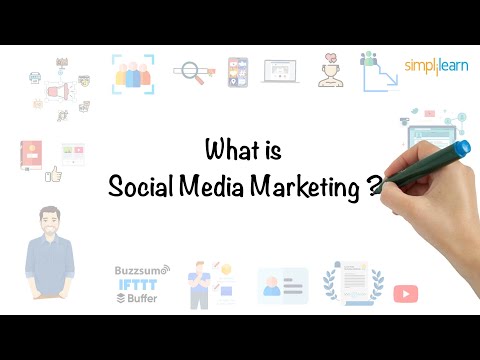
Step-by-Step Guide to Creating Effective Social Media Ads
Launching a successful paid social campaign requires more than just boosting a post. Here is a practical roadmap that covers everything from initial setup to ongoing optimization.
Beginner Tips for Getting Started
- Define Your Advertising Goal: Before creating any ad, clarify whether you want to increase brand awareness, drive website traffic, generate leads, or boost sales. Every platform offers objective-based campaign structures, and choosing the right one shapes your entire strategy.
- Know Your Target Audience: Use platform-native audience insights tools to research demographics, interests, and behaviors. Build detailed buyer personas so your targeting is specific, not broad.
- Set a Realistic Budget: Start with a modest daily budget — even $10 to $20 per day — and scale based on performance data rather than assumptions.
- Create Compelling Ad Creative: Use high-quality visuals, concise copy, and a clear call-to-action. Your creative must stop the scroll within the first two seconds.
- Launch and Monitor: Run your campaigns, track key metrics like CTR, CPC, and conversion rate, and make data-driven adjustments within the first week.
Intermediate Strategies for Scaling Campaigns
Once you have a working campaign, the next phase involves scaling intelligently. This means expanding audiences through lookalike modeling, testing multiple ad creatives simultaneously, and using retargeting sequences to re-engage users who interacted with your content but did not convert. Intermediate advertisers should also explore automated bidding strategies, dynamic creative optimization, and cross-platform retargeting to maximize reach without inflating costs.
Advanced Techniques for Maximizing ROI
At the advanced level, social media advertising becomes a science. Marketers leverage first-party data integration through custom audiences and customer match tools, implement multi-touch attribution models, and use machine learning-driven bidding algorithms. Advanced strategies also include sequential retargeting funnels, geo-fenced campaigns for local businesses, and creative testing frameworks that systematically iterate on visuals, headlines, and ad copy to find winning combinations at scale.
Social Media Ad Formats That Drive Engagement
Choosing the right ad format is just as important as your targeting strategy. The most effective formats vary by platform and campaign objective:
- Image Ads: Simple, high-impact visuals paired with concise text. Best for brand awareness and product promotion.
- Video Ads: Short-form and long-form video content that captures attention through motion and storytelling. Facebook reports that video ads generate up to 30% higher engagement than static formats.
- Carousel Ads: Multiple scrollable cards that let you showcase several products or features within a single ad unit.
- Stories and Reels Ads: Full-screen, immersive formats that feel native to the user experience and typically achieve higher completion rates.
- Lead Generation Ads: In-platform forms that capture user contact information without requiring them to leave the app, dramatically improving conversion rates.
- Shopping Ads and Catalog Ads: Product-tagged ads that allow users to browse and purchase directly from the social feed, bridging the gap between discovery and transaction.
Common Mistakes to Avoid in Social Media Advertising
Even experienced marketers fall into traps that drain budgets and underperform campaigns. Here are critical mistakes to watch out for:
- Targeting Too Broadly: Casting a wide net often results in high impressions but low engagement. Narrow your targeting and let the algorithm find the best performers.
- Ignoring Mobile Optimization: Over 70% of social media usage happens on mobile devices. If your ad creative and landing pages are not optimized for small screens, you will lose potential customers.
- Neglecting Ad Frequency: Showing the same ad to the same user too many times leads to ad fatigue, which tanks performance and increases costs. Monitor frequency caps and rotate creative regularly.
- Skipping Landing Page Alignment: Your ad promise and landing page experience must be consistent. A disconnect between the two destroys trust and kills conversion rates.
- Failing to Test and Iterate: Running the same ad indefinitely without testing new creatives, audiences, or copy is one of the fastest ways to plateau and waste budget.
FAQ: Long-Tail Keyword Questions About Social Media Advertising
Q1: How much does it cost to run social media ads for a small business?
Small businesses typically allocate between $500 and $5,000 per month for social media advertising, depending on the industry and platform. Platforms like Facebook and Instagram offer flexible daily budgets starting as low as $1, making them accessible for businesses with limited resources. The key is to start small, measure results, and increase spend on winning campaigns.
Q2: What is the best social media platform for B2B advertising?
LinkedIn remains the dominant platform for B2B social media advertising due to its professional targeting capabilities, allowing advertisers to reach decision-makers by job title, industry, company size, and seniority. However, combining LinkedIn with retargeting on platforms like Facebook and Google can create a powerful multi-channel pipeline.
Q3: How do I measure the success of my social media advertising campaigns?
Success measurement depends on your campaign objectives. For awareness campaigns, track impressions, reach, and frequency. For engagement campaigns, monitor CTR, likes, comments, and shares. For conversion campaigns, focus on cost per conversion, return on ad spend (ROAS), and cost per acquisition (CPA). Most platforms offer robust built-in analytics dashboards, and integrating them with Google Analytics or a third-party attribution tool provides deeper insight.
Q4: Can I run social media ads without a large advertising budget?
Absolutely. Platforms like TikTok, Instagram, and Facebook allow advertisers to start with budgets as low as $5 to $10 per day. The key to succeeding on a small budget is precise targeting, compelling creative, and relentless optimization. Even micro-budgets can generate meaningful results when the audience is well-defined and the creative resonates.
Q5: What is the difference between boosted posts and professional social media ads?
A boosted post is a simple way to amplify an existing organic post by paying to reach a wider audience. Professional social media ads, on the other hand, are built from scratch within an advertising manager platform, offering access to advanced targeting options, multiple ad formats, custom audiences, conversion tracking, and detailed performance analytics. For any serious marketing objective, professional ads deliver significantly better results than boosted posts.
Q6: How long should I let a social media ad campaign run before optimizing?
Allow each campaign or ad set to collect at least 50 to 100 conversions before making significant changes. Platforms need sufficient data to optimize their algorithms and deliver statistically meaningful results. Premature optimization based on early data can actually harm performance by disrupting the learning phase of your campaigns.
Conclusion: Mastering Social Media Advertising in a Competitive Landscape
Advertisement on social media is not a set-and-forget endeavor — it is a dynamic, data-driven discipline that rewards continuous learning and strategic refinement. From understanding the fundamentals of audience targeting and ad formats to implementing advanced retargeting funnels and creative testing frameworks, the path to success is built on incremental improvements over time. The platforms themselves are evolving rapidly, introducing new features like AI-powered ad creation, augmented reality experiences, and enhanced privacy-centric targeting. Staying ahead means committing to ongoing education, experimentation, and a relentless focus on delivering genuine value to your audience. Businesses that invest the time to master social media advertising will not only capture attention in crowded feeds but will build lasting relationships that translate into sustainable growth and measurable revenue.