


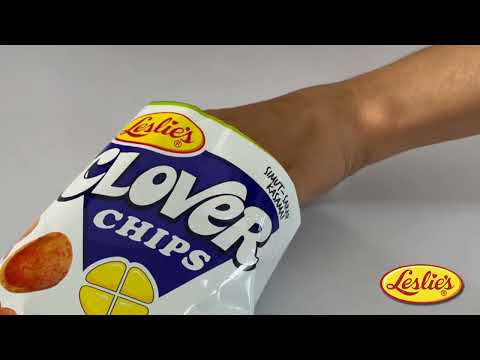
When you look at advertisement examples from the world’s most successful brands, you start to notice patterns. Great ads don’t just sell products—they tell stories, spark emotions, and stay in your memory long after you’ve scrolled past them. Whether you’re a marketing student studying persuasion techniques, a small business owner planning your next campaign, or a creative professional building your portfolio, understanding what makes real advertisement examples work is the fastest path to creating campaigns that actually convert. In this deep dive, we’ll explore some of the most powerful ad examples across different channels, break down why they succeed, and give you actionable strategies you can apply to your own work right away.
Types of Advertisement Examples and What Makes Them Work
Advertising has evolved dramatically over the past two decades, but the core principles of persuasion remain the same. Before we look at specific campaign examples, let’s understand the major categories where impactful advertisement examples live.
Print Advertisement Examples
Print ads from magazines, newspapers, billboards, and direct mail still hold significant weight in brand-building. The best print advertisement examples use minimal copy, striking visuals, and a single clear message. Think of classic campaigns like the “Got Milk?” series or Apple’s iconic “Think Different” newspaper ads. These examples work because they rely on visual storytelling rather than information overload. When you study print ad examples, notice how whitespace, typography, and a single headline do the heavy lifting.
Digital Advertisement Examples
Digital advertising spans search ads, social media promotions, display banners, video pre-rolls, and native content. The most effective digital advertisement examples combine precise targeting with creative storytelling. Brands like Nike, Airbnb, and Spotify regularly produce social media ad examples that blend entertainment with brand messaging seamlessly. What sets these apart is their understanding of platform-native formats—a TikTok ad example looks completely different from a Google Search ad example, and the best brands know how to adapt their message accordingly.
Video Advertisement Examples
Video ads dominate modern marketing budgets, and platforms like YouTube, Instagram Reels, and TikTok have made short-form video the king of engagement. The most shared video advertisement examples tend to be under 30 seconds, hook viewers within the first three seconds, and deliver an emotional payoff. Super Bowl ad examples are perhaps the most celebrated category here, where brands spend millions for a 30-second spot that must capture instant attention and deliver a memorable message.
Famous Advertisement Examples That Changed the Industry
Some ad campaigns become so influential that they’re studied in marketing courses worldwide. Let’s examine a few landmark advertisement examples and what made them extraordinary.
Iconic Print Ad Campaigns
The “Share a Coke” campaign by Coca-Cola replaced its logo with popular names on bottles, creating thousands of personalized advertisement examples. People filmed themselves finding their names, sharing bottles with friends, and posting online. This campaign demonstrated how personalization at scale can turn a simple product into a cultural moment.
Another standout in the advertisement examples hall of fame is Dove’s “Real Beauty” campaign. Instead of using models, Dove featured real women of different ages, sizes, and backgrounds. The ad examples challenged beauty industry norms and sparked global conversations about self-image. The campaign generated billions of media impressions without a single paid media buy in its early stages.
Viral Digital Ad Campaigns
Old Spice’s “The Man Your Man Could Smell Like” campaign is one of the most cited advertisement examples in digital marketing history. The brand took a traditional男性 grooming product and turned it into surreal, humorous video content that went viral almost immediately. The genius wasn’t just the creative—it was the real-time YouTube response campaign where Old Spice’s spokesperson Isaiah Mustafa answered individual users’ comments with personalized video replies.
Spotify Wrapped has also become a masterclass in advertisement examples for user-generated content. Every December, Spotify shares personalized data summaries for each user, turning listening habits into shareable social media content. It costs Spotify very little to produce, yet it consistently ranks among the most anticipated marketing campaigns each year.

How to Study Effective Ad Examples for Your Strategy
Simply looking at successful campaigns isn’t enough—you need a framework for analyzing advertisement examples so you can extract actionable insights.
Analyzing Ad Copy and Messaging
When you encounter strong advertisement examples, break down the copywriting first. Ask yourself these questions:
- What is the single main message?
- What emotion does the copy trigger?
- Is there a clear call-to-action?
- What problem does this ad solve for the audience?
- How does the tone match the brand identity?
The best advertisement examples communicate one idea with clarity. If you find an ad that tries to say five things at once, it’s likely underperforming. Successful ad copy is ruthless about focus.
Visual Design Elements in Winning Ads
Visuals drive attention before words do. When studying advertisement examples, pay close attention to color psychology, composition, and imagery. Research shows that ads with strong visual hierarchy see up to 80% more engagement than those without. Notice how winning advertisement examples use contrast, focal points, and brand-consistent color palettes to guide the viewer’s eye toward the message and the CTA.
Traditional vs Digital Ad Examples: A Comparison
Understanding the differences between traditional and digital advertisement examples helps you allocate your marketing budget more effectively.
| Criteria | Traditional Ad Examples | Digital Ad Examples |
| Targeting Precision | Broad audience reach based on placement | Hyper-specific targeting by demographics, behavior, and interests |
| Measurability | Limited metrics like circulation or estimated impressions | Precise data on clicks, conversions, CTR, and ROAS |
| Engagement Level | Passive consumption; one-directional message | Interactive; users can comment, share, and click immediately |
| Cost Structure | High production and placement costs upfront | Flexible budgets with pay-per-click or pay-per-impression models |
| Lifespan | Short window tied to publication or broadcast schedule | Can run indefinitely and be optimized in real time |
| Creative Flexibility | Locked once published or aired | A/B tested and updated continuously |
| Audience Trust | High trust for established media placements | Varies; requires authenticity and social proof |
While digital advertisement examples dominate modern marketing conversations, traditional ad formats still deliver powerful results when used strategically. The most effective campaigns often combine both, using print or TV for brand awareness and digital for direct response and retargeting.
Practical Tips for Creating Your Own Advertisement Examples
Now that you’ve studied what works, here are expert recommendations for building ad campaigns that stand out.
- Start with a single customer insight. The best advertisement examples begin not with a product feature but with a deep understanding of what the audience truly cares about. Conduct surveys, read reviews, and listen to social conversations before writing a single word of copy.
- Lead with emotion, follow with logic. People make purchasing decisions emotionally and justify them rationally. The most powerful ad examples open with a feeling—a sense of belonging, a desire for status, or a fear of missing out—then provide the logical reason to act.
- Test multiple variations. Even legendary ad campaigns were refined through testing. Create at least three versions of your ad creative and copy, then measure performance across click-through rates, conversion rates, and cost per acquisition.
- Make the call-to-action unmistakable. Every great advertisement example includes a clear next step. “Shop Now,” “Sign Up Free,” or “Learn More” outperform vague CTAs like “Click Here” or “Find Out More” by significant margins.
- Stay consistent with your brand voice. Strong advertisement examples feel instantly recognizable as belonging to a specific brand. Whether your voice is playful, authoritative, or empathetic, consistency builds trust and recall over time.
Advertisement Examples FAQ
What makes a good advertisement example stand out from the rest?
A standout advertisement example combines a clear single message with emotional resonance and a strong visual hook. The best ads don’t try to say everything—they say one thing so well that the audience remembers it and acts on it. Clarity, creativity, and relevance to the target audience are the three non-negotiable elements of any great ad example.
Where can I find high-quality advertisement examples for inspiration?
Platforms like Ads of the World, Campaign Archive, and the Shorty Awards showcase curated advertisement examples across industries and channels. Social media platforms themselves are also goldmines—following major brands on Instagram, TikTok, and YouTube gives you a live feed of current, high-performing ad examples in real time. Industry award shows like Cannes Lions and The One Show also publish winning campaigns that serve as excellent reference material.
How do I adapt a famous advertisement example for my small business?
Never copy a famous ad example directly, but you can reverse-engineer its framework. Identify the emotional hook, the structure of the messaging, and the call-to-action pattern. Then apply those principles to your own product, audience, and brand voice. A small bakery might not have Nike’s budget, but it can use the same storytelling approach that made Nike’s “Just Do It” campaign iconic—focusing on aspiration and identity rather than product specifications.
User-generated content and behind-the-scenes ad examples consistently outperform polished, high-production content on social platforms. Audiences on Instagram, TikTok, and YouTube respond to authenticity and relatability. Short-form video advertisement examples under 15 seconds with a strong hook in the first two seconds tend to generate the highest engagement rates. Carousel ads and story-format ads with interactive elements also show strong performance across most platforms.

How can I measure whether my advertisement examples are actually working?
The most important metrics depend on your campaign objective. For brand awareness, track impressions, reach, and video view-through rates. For lead generation, monitor click-through rate and cost per lead. For direct sales, focus on conversion rate and return on ad spend. The best advertisement examples are evaluated not in isolation but against clear KPIs established before the campaign launches. Set benchmarks, compare against past performance, and iterate based on what the data reveals.
Conclusion
Studying advertisement examples isn’t just about admiring great creative—it’s about building a mental library of techniques, patterns, and strategies you can apply to your own work. From the emotional precision of iconic print campaigns to the data-driven optimization of modern digital ads, each example teaches you something valuable about human attention, persuasion, and behavior. The most effective marketers don’t just consume ad examples passively; they dissect them, learn from them, and use those lessons to craft campaigns that genuinely connect with their audiences. Start collecting your own library of advertisement examples today, analyze them with intention, and apply those insights to build campaigns that don’t just look good—they deliver real results.