


A slogan is far more than a catchy phrase slapped onto a logo or a billboard. It is the verbal heartbeat of a brand — a concise, memorable declaration that captures the essence of what a company stands for, what it promises its customers, and why it deserves their attention in a crowded marketplace. Whether you are a business owner building a new brand from scratch, a marketer crafting a campaign strategy, or a student studying the art of persuasion, understanding the power of a well-crafted slogan is essential. In this comprehensive guide, we will explore ten legendary slogans that shaped the advertising world, break down the psychology behind what makes them work, and provide you with actionable steps to write your own unforgettable taglines.
Understanding What a Slogan Is and Why It Matters
Before diving into the list, let us clarify what a slogan actually is in the branding context. A slogan — sometimes called a tagline or brand motto — is a short, punchy phrase that encapsulates the core identity and value proposition of a business or product. Unlike a mission statement, which can run paragraphs long, a slogan must communicate instantly and emotionally. It lives in the minds of consumers long after they have seen the product or visited the website.
The importance of a great slogan cannot be overstated. Research in consumer psychology consistently shows that repetition of a short, rhythmic phrase dramatically increases brand recall. When people hear a slogan, it triggers an associative network of memories, emotions, and brand attributes stored in long-term memory. This is why companies invest millions of dollars into testing, refining, and protecting their slogans through trademark registration. A slogan is not just marketing copy — it is a strategic asset that builds equity over time.
10 Iconic Slogans That Transformed the Branding Landscape
Every era of advertising has produced slogans that transcended their original campaigns and became part of cultural vocabulary. Below are ten of the most influential slogans in history, each paired with a brief explanation of why they achieved such lasting power.
Breaking Down Each Slogan
- Just Do It — Nike This three-word phrase, introduced in 1988, distilled Nike’s brand philosophy into a call to action that resonates with athletes of every level. Its simplicity and universality made it a global phenomenon.
- Think Different — Apple Launched in 1997, this slogan positioned Apple as the rebellious innovator challenging the status quo. It celebrated creativity and nonconformity, aligning perfectly with the company’s identity.
- Have It Your Way — Burger King This slogan emphasized customization and personal choice at a time when fast food chains offered standardized menus. It made customers feel valued and in control.
- Finger Lickin’ Good — KFC A sensory slogan that immediately triggers taste memory. It is a textbook example of how evocative language can make a consumer physically imagine the product experience.
- The Ultimate Driving Machine — BMW This tagline established BMW’s premium positioning by focusing on the driving experience rather than price or luxury features. It communicated engineering excellence in just four words.
- I’m Lovin’ It — McDonald’s One of the most recognizable slogans in the world, this phrase was designed to be universally adaptable across languages and cultures, making it a masterclass in global branding.
- Because You’re Worth It — L’Oréal This empowering slogan shifted beauty advertising from product features to emotional validation. It told the consumer that choosing L’Oréal was an act of self-worth.
- Melts in Your Mouth, Not in Your Hands — M&M’s A benefit-driven slogan that addresses a specific consumer pain point — messy chocolate — with a clever, memorable solution. It remains one of the most effective product-specific taglines ever written.
- Got Milk? — California Milk Processor Board This question-format slogan created urgency and interactivity. It turned a simple commodity into a conversation starter and generated massive cultural recognition.
- Always Coca-Cola — Coca-Cola A promise of consistency and reliability, this slogan reinforced the idea that Coca-Cola is a constant presence in moments of joy, celebration, and connection.
What unites all ten of these slogans is a combination of brevity, emotional resonance, and brand alignment. None of them describe a product feature in technical terms. Instead, they sell a feeling, an identity, or a promise.
How to Create a Powerful and Memorable Slogan
Now that you have seen the best examples, the natural next question is how to write a slogan that actually works for your own brand. The process is both an art and a discipline, and it requires a deep understanding of your target audience, your competitive landscape, and your brand values.
The Anatomy of a Great Slogan
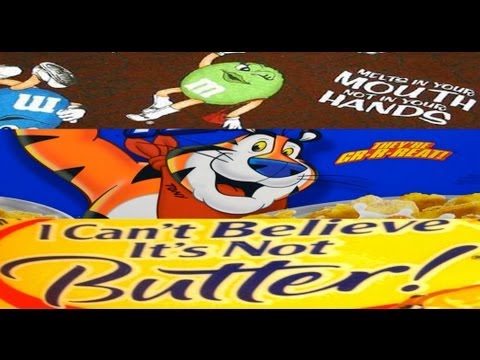
Before you start brainstorming, understand the structural components that separate forgettable phrases from iconic ones:
- Brevity: The best slogans are between two and five words. Shorter phrases are easier to remember and repeat.
- Emotional Hook: The slogan should trigger an emotion — inspiration, trust, excitement, or nostalgia.
- Brand Relevance: It must clearly connect to the brand’s identity and positioning.
- Uniqueness: It should differentiate you from competitors and avoid generic buzzwords.
- Rhythm and Sound: Alliteration, rhyme, or parallel structure makes a slogan more memorable and pleasant to say aloud.
Step-by-Step Process for Writing Your Own Slogan

- Define your brand’s core promise in one sentence.
- Identify the single most compelling benefit you offer your audience.
- List all the emotions you want customers to feel when they encounter your brand.
- Brainstorm at least twenty raw ideas without filtering or judging them.
- Refine your list by applying the anatomy criteria above.
- Test the top three candidates with your target audience for recall and resonance.
- Check for trademark availability and cultural sensitivity before finalizing.
Comparison Table: Famous Slogans and Their Strategic Impact
The following table compares the ten slogans across key strategic dimensions so you can see how different approaches achieve different branding goals.
| Slogan | Brand | Primary Strategy | Emotion Targeted | Key Strength |
| Just Do It | Nike | Motivational Call to Action | Empowerment | Universal applicability |
| Think Different | Apple | Identity Positioning | Pride | Cultural relevance |
| Have It Your Way | Burger King | Customization | Control | Consumer-centric focus |
| Finger Lickin’ Good | KFC | Sensory Appeal | Craving | Product-specific benefit |
| The Ultimate Driving Machine | BMW | Performance Positioning | Excellence | Category ownership |
| I’m Lovin’ It | McDonald’s | Global Adaptability | Enjoyment | Cross-cultural resonance |
| Because You’re Worth It | L’Oréal | Emotional Validation | Self-worth | Personal empowerment |
| Melts in Your Mouth | M&M’s | Problem-Solution | Satisfaction | Clear product benefit |
| Got Milk? | Calif. Milk Board | Question Format | Urgency | Cultural memorability |
| Always Coca-Cola | Coca-Cola | Consistency Promise | Nostalgia | Emotional reliability |
Expert Tips for Writing Slogans That Actually Convert
Writing a slogan that sounds good in a meeting room is one thing. Writing one that drives customer action and builds long-term brand equity is another entirely. Here are expert-level recommendations that separate amateur taglines from professional-grade ones.
Start with your customer, not your product. The most effective slogans speak to the audience’s desires, fears, or aspirations rather than listing features. When Nike says “Just Do It,” it is not talking about shoes — it is talking about the human desire to overcome inertia and take action.
Avoid jargon and industry-speak. If your slogan requires a glossary to understand, it will fail. The language must be immediately accessible to anyone, regardless of their familiarity with your industry or product category.
Test for sound and rhythm. Read your slogan out loud repeatedly. If it feels clunky or awkward to say, it will be even harder for consumers to recall and share. Musicality matters more than many marketers realize.
Consider longevity. A great slogan should work not just for a seasonal campaign but for years or even decades. Avoid trendy language or references that will feel dated within a few years. The slogans listed above have endured for decades because they are timeless rather than timely.
Protect your intellectual property. Once you have a slogan you are confident in, invest in trademark registration. Without legal protection, competitors can freely adopt your messaging, diluting your brand differentiation and eroding the value of your slogan over time.
Frequently Asked Questions About Slogans
What is the difference between a slogan and a tagline?
While the terms are often used interchangeably, a slogan traditionally refers to a phrase associated with a movement, cause, or campaign, whereas a tagline is specifically a permanent brand phrase. In modern marketing practice, however, the distinction has largely blurred, and both terms describe short brand phrases.
How long should a slogan be?
The ideal slogan length is between two and five words. Research shows that shorter taglines have higher recall rates. However, longer slogans can work effectively if they are rhythmic, specific, and emotionally compelling, though they sacrifice some of the universal memorability of shorter phrases.
Can a slogan be changed over time?
Yes, and many successful brands do refresh their slogans periodically to stay relevant. However, frequent changes can confuse consumers and weaken brand equity. The best practice is to maintain consistency for at least five to ten years before considering a strategic refresh.
Why do some slogans fail even when they sound creative?
Creative slogans fail when they prioritize cleverness over clarity or when they do not align with the brand’s actual product experience. If a slogan promises something the brand cannot deliver, it creates cognitive dissonance and erodes trust. Alignment between promise and reality is the most critical factor in slogan success.
Is it worth hiring a professional to write a slogan?
For businesses that rely heavily on branding and marketing, investing in a professional copywriter or branding agency is highly worthwhile. Experienced writers understand consumer psychology, linguistic nuance, and strategic positioning in ways that produce significantly higher-quality results than in-house brainstorming sessions alone.
Conclusion
The ten slogans explored in this article represent the pinnacle of brand messaging — short, powerful phrases that transcended advertising to become part of everyday language. Whether you are building a startup or rebranding an established company, the principles behind these iconic taglines remain the same: be brief, be emotional, be authentic, and be aligned with your brand promise. A great slogan does not just describe a product; it tells the world who you are and why you matter. Invest the time, test relentlessly, and craft a phrase that will stand the test of time alongside the legends listed above.