


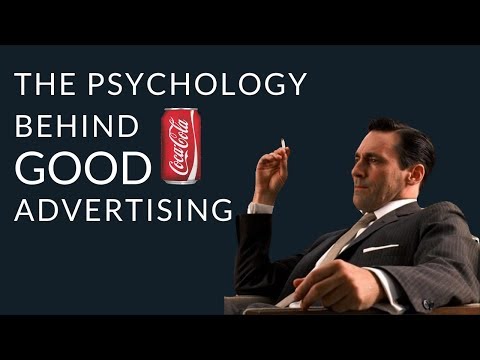
When you think about the last time a brand caught your attention — whether scrolling through your phone, watching a video, or flipping through a magazine — you were experiencing an advertisement. An advertisement is far more than a simple sales pitch; it is a carefully crafted communication tool designed to inform, persuade, and ultimately inspire action. In today’s hyperconnected world, understanding how advertisements work, what makes them effective, and how businesses can leverage them is essential for anyone involved in marketing, entrepreneurship, or even personal branding. This guide dives deep into the anatomy, strategy, and execution of advertisements across every major medium, giving you actionable insights whether you are just starting out or looking to refine your approach at an advanced level.
What Is an Advertisement?
The Core Definition
At its simplest, an advertisement — often shortened to “ad” — is a paid, publicly promoted message intended to raise awareness about a product, service, idea, or brand. Unlike organic content, which earns visibility through relevance and engagement, an advertisement is strategically placed and funded by the advertiser. The purpose can range from building brand recognition and driving website traffic to generating direct sales leads or changing public perception.
Advertisements have evolved dramatically over the decades. What once meant a print layout in a newspaper or a billboard by the highway now spans social media feeds, streaming platforms, search engine results, podcast sponsorships, and even augmented reality experiences. The fundamental principles of persuasion — attention, interest, desire, and action — remain constant, but the channels and creative formats have expanded enormously.
Why Advertisements Matter in Modern Marketing
In a world saturated with content, advertisements cut through the noise. They give businesses a direct line to their ideal customers, and they allow brands to control their narrative, timing, and placement. Here is why mastering advertisement strategy is non-negotiable.
- Targeted reach: Modern advertising platforms let you define audiences by demographics, interests, behaviors, and even purchase intent, ensuring your message reaches people most likely to respond.
- Measurable outcomes: Unlike traditional advertising guesswork, digital ads provide real-time data on impressions, clicks, conversions, and return on investment.
- Scalability: A well-optimized campaign can start small and scale exponentially based on performance data.
- Brand authority: Consistent, high-quality advertisements build trust and top-of-mind awareness over time.
Building Brand Awareness Through Ads
Brand awareness is the foundation of long-term business growth. When consumers repeatedly encounter a brand through well-designed advertisements, familiarity breeds trust. This is why companies invest heavily in awareness campaigns that prioritize memorable visuals, compelling storytelling, and consistent messaging across channels. An advertisement that resonates emotionally — whether through humor, inspiration, or relatability — is far more likely to stick in a consumer’s memory than one that simply lists product features.
Driving Conversions and Revenue
While awareness is crucial, the ultimate goal of most advertisements is to drive action. Whether that action is signing up for a newsletter, downloading an app, or completing a purchase, the advertisement must create a clear path from curiosity to conversion. Strong calls to action, urgency triggers, and value propositions are the pillars that turn passive viewers into active customers.
Types of Advertisements You Should Know
Understanding the landscape of advertisement formats is critical for choosing the right strategy for your goals and budget. Below is a comprehensive breakdown of the most impactful categories.
Digital Advertisement Formats
- Search Ads: These appear on search engine results pages when users type specific queries. Google Ads and Bing Ads dominate this space, and they are powerful because they target users with active intent.
- Social Media Ads: Platforms like Facebook, Instagram, TikTok, LinkedIn, and X (formerly Twitter) offer highly visual, engagement-driven formats including carousel ads, story ads, and sponsored posts.
- Display Ads: Banner ads and rich media placements on websites and apps. These rely on visual creativity and retargeting algorithms to recapture visitors.
- Video Ads: Pre-roll, mid-roll, and in-stream videos on YouTube, connected TV services, and social platforms are among the highest-engagement formats available today.
- Native Ads: Ads designed to blend seamlessly with the content of the platform they appear on, such as promoted articles or in-feed sponsored content.
- Email Marketing Ads: Sponsored placements within newsletters and automated email sequences that target existing subscribers with high relevance.

Traditional Advertisement Channels
- Print Advertising: Newspapers, magazines, flyers, and direct mail continue to serve niche audiences, especially in local markets and luxury sectors.
- Broadcast Advertising: Television and radio commercials remain powerful for mass-reach campaigns, particularly during major events like the Super Bowl or award shows.
- Out-of-Home (OOH) Advertising: Billboards, transit ads, and digital signage in high-traffic areas create broad, repeated exposure.
- Audio Advertising: Podcast sponsorships and streaming radio ads are growing rapidly as audio content consumption surges.
Digital vs. Traditional Advertisements: A Side-by-Side Comparison
| Feature | Digital Advertisement | Traditional Advertisement |
| Targeting Precision | Highly granular — demographics, interests, behaviors, lookalike audiences | Broad — based on geographic distribution and medium readership |
| Cost Structure | Pay-per-click or pay-per-impression; flexible budgets | Often fixed rates; minimum spend requirements |
| Measurability | Real-time analytics, conversion tracking, attribution modeling | Limited — estimated reach, brand recall studies |
| Engagement Interactivity | Clickable, shoppable, interactive elements | One-way communication; limited interaction |
| Speed to Market | Launch within hours | Weeks or months for production and placement |
| Audience Longevity | Evergreen digital placements possible | Ephemeral — print and broadcast have limited shelf life |
Crafting a High-Impact Advertisement
Creating an advertisement that actually works requires more than beautiful design or clever copy. It demands strategic alignment between your brand message, your audience, and the platform you choose. Here is how to build advertisements that convert at every level.
Message and Creative Strategy
Start with a single, crystal-clear message. Every great advertisement communicates one core idea — not ten. Ask yourself: what is the one thing I want my audience to remember? From there, build your creative around that idea. Use compelling visuals, concise copy, and a strong call to action. The best advertisements feel almost effortless to the viewer, as if the message is telling a story rather than selling a product.
Expert tip: A/B test multiple versions of your advertisement — different headlines, images, and calls to action — to discover what resonates most with your target audience before scaling your budget.
Targeting the Right Audience
Even the most creative advertisement will fail if it reaches the wrong people. Use first-party data, lookalike audience modeling, and behavioral segmentation to ensure your ad shows up in front of individuals who are most likely to engage. Narrow your targeting progressively — start broad to gather data, then refine based on performance signals.
Measuring Advertisement Performance
Data is the backbone of effective advertisement strategy. Without measurement, you are guessing. Key performance indicators (KPIs) vary depending on your campaign objective:
- Impressions and Reach: How many people saw your ad and how often.
- Click-Through Rate (CTR): The percentage of viewers who clicked, indicating relevance and engagement.
- Conversion Rate: The percentage of clicks that resulted in a desired action — a purchase, sign-up, or download.
- Cost Per Acquisition (CPA): How much you spend to gain one paying customer.
- Return on Ad Spend (ROAS): Revenue generated for every dollar spent on advertising.
- View-Through Rate: Important for video ads, measuring how many viewers watched to completion.
Use these metrics to continuously optimize your campaigns. Lower CPA and higher ROAS should be the north star of every advertisement budget decision.
Common Advertisement Mistakes and How to Avoid Them
- Ignoring mobile optimization: Over 60% of digital ad consumption happens on mobile devices. If your ad is not designed for small screens, you are losing the majority of your audience.
- Vague calls to action: Phrases like “learn more” are forgettable. Use specific, action-oriented language such as “Get Your Free Guide” or “Shop the Summer Sale.”
- Neglecting retargeting: Most first-time visitors do not convert. Retargeting ads recapture that lost audience with tailored messaging.
- Overlooking ad frequency caps: Bombarding users with the same ad repeatedly leads to ad fatigue and negative brand sentiment.
- Skipping audience research: Assumptions about your target market without data backing are a recipe for wasted spend and poor performance.
Expert Tips for Advertisement Success

seasoned marketers will tell you that the best advertisements combine art and science. Here are practical recommendations that separate average campaigns from exceptional ones:
- Lead with the viewer’s problem, not your product’s features. Empathy drives connection.
- Use storytelling frameworks — setup, tension, resolution — to make your ad memorable.
- Leverage social proof in the form of testimonials, reviews, and user-generated content.
- Keep your landing page consistent with your ad’s promise to reduce bounce rates.
- Invest in creative fatigue monitoring — rotate ad creatives every two to four weeks to maintain performance.
Frequently Asked Questions
What Makes an Advertisement Effective?
An effective advertisement combines a clear and compelling message, strong visual or creative execution, precise audience targeting, and a direct call to action. The most successful ads solve a problem or tap into an emotion the audience already feels, making the brand the natural next step.
How Much Should a Small Business Budget for Advertising?
There is no one-size-fits-all answer, but a common benchmark is allocating 5% to 12% of your gross revenue to marketing, with a portion of that dedicated specifically to paid advertising. Start with a test budget — even $5 to $10 per day — and scale based on proven return metrics.
What Is the Difference Between an Advertisement and Content Marketing?
An advertisement is a paid placement designed to promote a specific message or offer, while content marketing focuses on creating valuable, organic content that attracts and educates an audience over time. The two strategies work best when combined — content builds trust, and advertisements amplify reach and accelerate results.
How Do I Choose the Right Advertisement Platform?
Choose your platform based on where your target audience spends their time and what your campaign objective is. LinkedIn excels for B2B lead generation, TikTok and Instagram shine for visual and lifestyle brands, and Google Ads dominate for capturing high-intent search queries. Always align platform choice with audience data rather than trends alone.
Can I Run Advertisements Without Professional Design Skills?
Yes. Many platforms offer built-in ad creation tools with templates, and tools like Canva make professional-quality design accessible to non-designers. The key is clarity, brand consistency, and a strong value proposition — not perfection in visuals. Test simple versions first, then invest in more polished creative as your budget and results grow.
Conclusion
An advertisement is one of the most powerful tools a business can wield in the modern marketplace. Whether you are running a local storefront or a global e-commerce brand, understanding how to create, target, measure, and optimize your advertisements can mean the difference between stagnation and explosive growth. The landscape will continue to evolve — new platforms, formats, and technologies will emerge — but the core principles of effective advertising remain timeless: know your audience, deliver a clear message, create compelling creative, and let data guide every decision. Start with the fundamentals, test relentlessly, and build your advertisement strategy with both short-term wins and long-term brand equity in mind.