


A good slogan is one of the most powerful branding tools a business can possess. It encapsulates your entire brand promise in just a handful of words, creating instant recognition and emotional resonance with your audience. Whether you are launching a startup, rebranding an established company, or crafting a campaign for a product launch, understanding what makes a slogan truly effective can mean the difference between market obscurity and lasting brand recall. This comprehensive guide dives deep into the anatomy of memorable slogans, provides actionable frameworks for writing your own, and shares real-world examples that demonstrate proven principles of slogan creation.
What Makes a Good Slogan?
A memorable slogan does far more than fill space on a logo or an advertisement. It serves as the verbal shorthand for your brand identity, communicating your core values, unique selling proposition, and emotional appeal in seconds. A good slogan sticks in the minds of consumers, triggers brand recall during purchasing decisions, and differentiates you from competitors in crowded markets.
When marketers ask, “What is a good slogan?” they are really asking about brevity, relevance, and emotional impact. The best taglines are simple enough to remember after a single exposure, specific enough to reflect your brand promise, and emotionally compelling enough to inspire action. Think about how Nike’s “Just Do It” or Apple’s “Think Different” have transcended their original advertising campaigns to become cultural touchstones.
Core Characteristics of an Effective Slogan
- Brevity: The most powerful slogans are concise. Aim for three to seven words that deliver maximum impact with minimal syllables.
- Clarity: Avoid cleverness at the expense of meaning. If a consumer cannot understand your slogan in under three seconds, it will fail.
- Emotional Resonance: The best slogans tap into feelings — aspiration, belonging, security, freedom — that drive purchasing behavior.
- Uniqueness: Your slogan should sound distinctly like your brand and no one else’s. Generic phrases get forgotten instantly.
- Timelessness: Effective slogans avoid trends and fleeting language so they remain relevant for years or even decades.
- Versatility: A strong slogan works across all marketing channels, from social media posts to billboards to product packaging.
Famous Slogan Examples That Demonstrate Proven Principles
Studying successful brand slogans gives you a blueprint for your own creative process. Here are some of the most iconic examples and what makes each one work as a good slogan:
- De Beers — “A Diamond is Forever” (1947): This slogan connected an emotional promise (eternal love) to a product (diamonds). It fundamentally shaped consumer behavior for generations.
- M&M’s — “Melts in Your Mouth, Not in Your Hands”: This example of a good slogan focuses on a clear, tangible benefit that differentiates the product from competitors.
- L’Oréal — “Because You’re Worth It”: The emotional appeal of self-worth and empowerment transformed a cosmetics line into a global lifestyle brand.
- McDonald’s — “I’m Lovin’ It”: A simple, joyful phrase that works universally across cultures and languages, demonstrating slogan versatility.
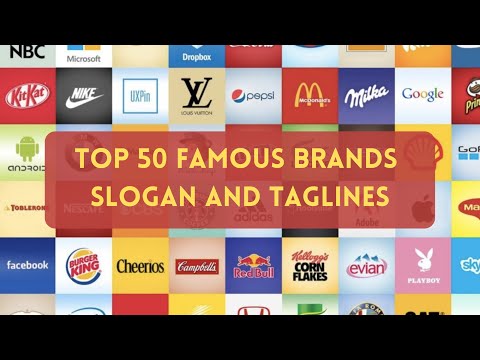
Notice the pattern? Each of these examples of a good slogan is short, emotionally charged, and deeply tied to a specific brand promise. They do not describe the product literally — they sell the feeling the product delivers.
How to Write a Good Slogan: A Step-by-Step Framework
Creating a powerful slogan is not about waiting for inspiration. It is a deliberate process that combines brand strategy with creative execution. Follow these steps to craft a slogan that actually works.
Step 1: Define Your Brand Essence
Before writing a single word, clarify what your brand stands for. Ask yourself what makes your business different, what promise you make to customers, and what emotion you want people to associate with your name. Write down your unique value proposition in one sentence. This becomes the foundation for every slogan idea you generate.
Step 2: Identify Your Target Audience
A slogan that resonates with teenagers will fall flat with retirees, and vice versa. Understand the language, values, and aspirations of your ideal customer. Use words and concepts that speak directly to their worldview and desires.
Step 3: Brainstorm Without Limits
Generate at least 50 to 100 raw ideas. Do not edit or judge yourself during this phase. Use techniques like word association, metaphor mapping, and emotional contrast to push past obvious choices. Some of the best creative outcomes emerge from quantity, not perfection.
Step 4: Apply the Slogan Quality Checklist
Evaluate each candidate slogan against these criteria:
- Can I read this slogan and immediately understand what the brand stands for?
- Does it evoke an emotional response or a clear mental image?
- Is it distinct from slogans used by competitors in my industry?
- Will it still feel relevant in five years, or is it tied to a passing trend?
- Does it sound natural when spoken aloud?
Step 5: Test and Refine
Share your top three candidates with a small group of your target audience. Ask them what brand comes to mind and what they believe the company does. If the results align with your intent, you have a strong slogan. If not, iterate and refine.
Slogan vs. Tagline vs. Mission Statement Comparison
Many people confuse slogans with taglines and mission statements, but they serve distinct purposes in branding. Understanding these differences helps you use each element strategically.
| Element | Purpose | Length | When It Changes |
| Slogan | Emotional hook for campaigns or specific messages | 3–7 words | Can change with campaigns or seasons |
| Tagline | Long-term brand identifier | 3–8 words | Rarely changes; evolves with the brand |
| Mission Statement | Internal and external brand purpose declaration | 1–3 sentences | Changes only with fundamental strategic shifts |
A good slogan can be campaign-specific while your tagline remains the enduring identifier. For example, a company might use “Built for Adventure” as a campaign slogan while their permanent tagline reads “Engineered for Excellence.” Both work together to strengthen brand recall without overlapping or competing with each other.
Common Mistakes That Weaken Your Slogan
Even experienced marketers fall into traps when crafting slogans. Avoiding these common errors will immediately improve the quality of your output.
- Using jargon or industry slang: Your audience may not understand what you mean, and insiders will not be impressed.
- Trying to say everything: A slogan is not a mission statement. One clear idea is always stronger than a cluttered sentence.
- Copying competitor phrasing: Even if a slogan structure feels familiar, make it distinctly yours with original word choices and metaphors.
- Overcomplicating with wordplay: Puns and double meanings can backfire if they confuse the message rather than enhancing it.
- Ignoring cultural context: A slogan that works in one language or region may carry unintended meanings in another.
Advanced Tips for Crafting Slogans That Stand the Test of Time
If you want your slogan to remain effective for years, consider these expert-level strategies. A good slogan written by a professional branding team often leverages psychological triggers and linguistic techniques that go beyond basic creativity.
Leverage Rhythm and Sound Patterns
Alliteration, assonance, and rhythmic cadence make slogans easier to remember. “Red Bull Gives You Wings” uses strong vowel sounds and a driving rhythm that makes it impossible to forget. When you read your slogan aloud and it rolls off the tongue naturally, you have a much stronger candidate.
Create a Sense of Belonging
The most effective slogans make the audience feel like they are part of something larger. Phrases like “Just Do It” or “Be The Change” invite the consumer into a personal relationship with the brand. This sense of belonging transforms casual buyers into loyal advocates.
Anchor to a Specific Promise
A good slogan backed by a deliverable promise builds trust. If your slogan says “Fastest Delivery in the City,” your operations must live up to that claim every single time. Broken promises destroy brand equity faster than any weak slogan ever could.
Final Thoughts on Writing a Good Slogan
Crafting a good slogan is both an art and a strategic discipline. It requires a deep understanding of your brand, your audience, and the emotional landscape that drives purchasing decisions. The best slogans do not just describe what you sell — they define how your customers feel about what you sell. By following the frameworks, avoiding common pitfalls, and testing rigorously before committing, you can create a slogan that elevates your brand from forgettable to unforgettable.
Start with clarity, prioritize emotional connection, and always keep your audience at the center of every word choice. Whether you are writing a campaign-specific slogan or a permanent brand tagline, the principles outlined in this guide will help you craft messaging that resonates, endures, and drives real business results.
Frequently Asked Questions
What makes a good slogan different from a generic tagline?
A good slogan is emotionally specific and tied to a clear brand promise, while a generic tagline uses vague, interchangeable phrases that could apply to any company in the industry. The difference lies in memorability, differentiation, and emotional resonance.
How long should a good slogan be?
The ideal length for a good slogan is three to seven words. Anything shorter may lack impact, while anything longer risks losing the audience’s attention before the message lands. Brevity is the greatest ally of effective slogan writing.
Can a business change its slogan over time?
Yes, many successful brands update their slogans periodically to reflect new campaigns, product lines, or cultural shifts. However, your permanent brand tagline should remain stable and only change when your core brand identity undergoes a fundamental transformation.
The best slogan examples typically feature simplicity, emotional appeal, rhythmic sound, a clear promise, and timeless language. They avoid trends, jargon, and overly clever constructions that prioritize wit over clarity. The most effective slogans feel effortless to remember and emotionally compelling to hear.
How do I test whether my slogan will resonate with my target audience?
Share your top slogan candidates with a sample group from your target demographic and ask open-ended questions about what emotions, images, and brand associations the slogans trigger. If their responses align with your intended brand positioning, you have a strong candidate. If they misinterpret or feel indifferent, refine and test again.