


In the competitive world of digital advertising, staying ahead of the curve means understanding not just how your ads perform—but why they perform the way they do. Ad rank monitoring is one of the most powerful yet overlooked practices that can make or break your pay-per-click campaigns. Whether you manage Google Ads for a small business or oversee enterprise-level advertising strategies, tracking your ad rank consistently gives you a clear window into how search engines evaluate your ads relative to competitors. This guide dives deep into everything you need to know about ad rank monitoring—from the fundamentals to advanced optimization tactics that deliver measurable results.
What Is Ad Rank Monitoring?
Ad rank monitoring refers to the ongoing process of tracking, analyzing, and optimizing your advertisement’s position in search engine results pages based on the ranking formula used by platforms like Google Ads and Microsoft Advertising. Your ad rank determines where your ad appears on the page, how often it gets shown, and ultimately how much you pay per click. Monitoring this metric in real time allows advertisers to identify fluctuations, spot competitive threats, and make data-driven adjustments before small issues become costly problems.
Unlike simple click-through rate tracking or impression monitoring, ad rank monitoring takes a holistic view. It factors in your bid strategy, quality score, ad relevance, landing page experience, and the competitive landscape—all in one place. Think of it as your campaign’s vital sign dashboard.
How Ad Rank Is Calculated
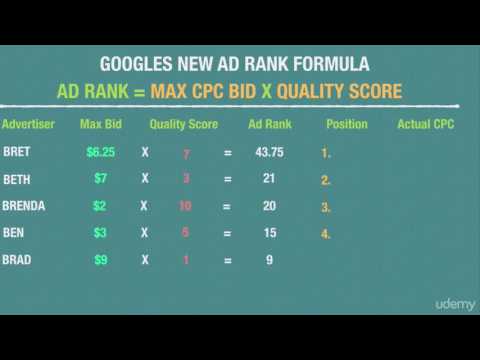
Understanding the mechanics behind ad rank calculation is essential before you can monitor it effectively. Search engines use a multi-factor formula that goes well beyond just the highest bidder winning the top spot.
Quality Score
Your quality score is a diagnostic metric that evaluates the overall quality and relevance of your ads, keywords, and landing pages. It typically ranges from 1 to 10 and is influenced by several components:
- Expected click-through rate based on historical performance
- Ad relevance to the user’s search query
- Landing page experience including page speed and content quality
Bid Amount
The amount you are willing to pay per click plays a significant role, but it does not operate in isolation. A high bid with a low quality score will often underperform compared to a moderate bid paired with a strong quality score. This is why bid management alone is not a complete strategy—monitoring the interplay between bid and quality is critical.
Expected Impact of Extensions and Other Ad Assets
Ad extensions such as sitelinks, callouts, structured snippets, and call extensions can significantly boost your ad rank. Search engines reward ads that provide additional value and real estate on the results page. Monitoring whether your extensions are active and contributing positively is a key part of rank optimization.

Why Ad Rank Monitoring Matters for Advertisers
Many advertisers set their campaigns and forget them, only checking back when performance drops. Ad rank monitoring changes that reactive approach into a proactive one. Here is why it matters:
- Cost Efficiency: A higher ad rank often means lower costs per click because you do not need to outbid competitors aggressively to maintain visibility.
- Visibility Control: Monitoring helps you understand exactly when and why your ads drop in position, giving you the ability to intervene before losing significant impressions.
- Competitive Intelligence: By tracking rank fluctuations over time, you gain insight into competitor behavior, seasonal trends, and market shifts.
- ROI Optimization: Consistent monitoring ensures your budget is spent on positions that actually convert, not just positions that look impressive on paper.
Key Metrics to Track in Ad Rank Monitoring
Not all metrics carry equal weight. To get the most out of your monitoring efforts, focus on these high-impact data points:
| Metric | Why It Matters |
| Ad Rank Position | Shows where your ad appears relative to competitors on the page |
| Quality Score | Indicates the health and relevance of your ad components |
| Impression Share | Reveals how often your ad is shown versus total available impressions |
| Top of Page Rate | Tracks how frequently your ad appears above organic results |
| Absolute Top of Page Rate | Measures how often your ad holds the very first position |
| Click-Through Rate (CTR) | Reflects ad relevance and audience engagement |
| Cost Per Click (CPC) | Tracks your actual expenditure per interaction |
Setting up automated alerts for significant rank drops or quality score declines can save hours of manual checking and prevent revenue loss from unnoticed underperformance.
Best Tools for Ad Rank Monitoring
While Google Ads provides native reporting for ad rank data, sophisticated advertisers rely on a combination of tools for deeper insights. Here are some options worth exploring:
- Google Ads Auction Insights Report: Offers direct comparison data showing how your ad rank stacks up against specific competitors in your auctions.
- Third-Party Platforms (SEMrush, SpyFu, WordStream): Provide competitive intelligence and rank tracking across broader search landscapes.
- Google Ads Scripts and Automations: Allow custom monitoring dashboards and automated alerts based on rank thresholds.
- Custom Dashboards (Looker Studio, Excel): Combine data from multiple sources into a single view for comprehensive analysis.
The right tool depends on your budget, campaign complexity, and how granular your monitoring needs to be. For most intermediate advertisers, the built-in Google Ads reports combined with auction insights provide a strong foundation.
Practical Tips and Expert Recommendations

Here are actionable strategies that experienced PPC managers use to maintain and improve ad rank over time:
- Monitor Daily During High-Competition Periods: Ad rank can shift dramatically during seasonal campaigns or when competitors launch new promotions. Daily checks during these windows help you stay responsive.
- A/B Test Ad Copy and Extensions: Small improvements in ad relevance can lead to quality score gains that compound into better rank without increasing your budget.
- Use Bid Adjustments Strategically: Rather than raising bids across the board, adjust bids based on device, location, and time of day where your audience is most likely to convert.
- Review Search Term Reports Weekly: Identifying irrelevant queries that drain your budget helps maintain ad relevance and protects your quality score.
- Analyze Rank at the Keyword Level: Aggregate campaign data can hide problems. Drilling down to individual keyword rank data reveals which specific terms need attention.
Common Mistakes to Avoid in Ad Rank Monitoring
Even experienced marketers make missteps when it comes to tracking and optimizing ad rank. Here are pitfalls to watch out for:
- Ignoring Mobile Rank Data: Ad rank on mobile devices can differ significantly from desktop. Monitoring both separately ensures you are not losing mobile impressions without realizing it.
- Over-Reliance on Average Position: Average position is a misleading metric that averages out fluctuations. Focus on top-of-page rates and impression share for a clearer picture.
- Failing to Account for Competitor Activity: A sudden drop in your ad rank might not be your fault. Competitors raising bids or improving their quality score can shift the landscape overnight.
- Neglecting Landing Page Experience: Even if your ad copy is perfect, a slow or irrelevant landing page will drag down your quality score and ultimately your rank.
Ad Rank Monitoring Across Different Platforms
While Google Ads is the most common platform for ad rank monitoring, other advertising ecosystems have their own ranking mechanics. Here is a brief comparison:
| Platform | Ranking Factors | Monitoring Approach |
| Google Ads | Quality Score, Bid, Ad Extensions | Auction Insights, Native Reports |
| Microsoft Advertising | Quality Score, Bid, Ad Relevance | Campaign Performance Dashboard |
| Amazon Sponsored Products | Bid, Conversion Rate, Relevance | Amazon Advertising Console |
| Meta Ads | Ad Relevance Diagnostics, Bid | Ads Manager Quality Ranking Metrics |
Each platform weights ranking factors differently, so your monitoring strategy should be tailored to the specific ecosystem you are operating in.
Conclusion

Ad rank monitoring is not a one-time task—it is an ongoing discipline that separates successful advertisers from those who simply spend money and hope for the best. By understanding how ad rank is calculated, tracking the right metrics, leveraging the best tools, and applying expert strategies consistently, you gain a significant edge in auction-based advertising. Start treating your ad rank data as a strategic asset, and you will see improvements in visibility, cost efficiency, and overall campaign performance. The advertisers who commit to disciplined monitoring are the ones who sustain long-term growth in an increasingly crowded digital marketplace.
Frequently Asked Questions
What is the best frequency for monitoring ad rank?
For most campaigns, daily monitoring during active ad periods is recommended, especially in competitive industries. Weekly reviews suffice for lower-competition niches where rank fluctuations are less dramatic. The key is to match your monitoring frequency to the volatility of your auction environment.
Can ad rank monitoring reduce my cost per click?
Yes. By improving your quality score and ad relevance through informed rank monitoring, you can achieve higher positions without raising your bids. This directly lowers your cost per click while maintaining or improving visibility. Many advertisers see CPC reductions of 10 to 30 percent after implementing systematic rank optimization.
How does ad rank differ from ad position?
Ad position refers to the physical placement of your ad on the results page (e.g., position 1, 2, 3). Ad rank is the underlying score that determines that position. Two ads can have the same position but vastly different ad ranks, which affects how much you actually pay and how frequently your ad appears in auctions.
What should I do if my ad rank drops suddenly?
Start by checking your quality score components, reviewing any recent changes to your ad copy or landing pages, and analyzing the auction insights report to see if competitors raised their bids. Address the most impactful factor first—usually quality score improvements or strategic bid adjustments—and monitor for recovery over the next 24 to 48 hours.
Is ad rank monitoring useful for display and video campaigns?
Absolutely. While ad rank is most discussed in the context of search advertising, display and video campaigns on platforms like Google Ads also use ranking formulas to determine where and when your creative is served. Monitoring rank in these formats helps ensure your ads reach the right audience at the right time and place.