


Every marketer, business owner, and creative professional has asked the same question at some point: what makes an advertisement truly memorable? The answer lies in studying real-world ads examples that have captured attention, driven conversions, and shaped entire industries. Whether you are a beginner just learning the fundamentals of digital marketing or a seasoned strategist looking for advanced inspiration, analyzing high-performing ad campaigns offers invaluable lessons. In this comprehensive guide, we will explore the best ad examples across multiple platforms, dissect what makes them work, and provide actionable insights you can apply to your own campaigns right away.
What Makes a Great Ad Example Stand Out
Before diving into specific campaigns, it is essential to understand the core elements that separate forgettable advertisements from iconic ones. A great ad example is never accidental — it is the result of deliberate strategy, creative execution, and deep audience understanding.
Here are the pillars that every standout advertisement shares:
- Clear Value Proposition: The audience understands immediately what the brand offers and why it matters to them.
- Emotional Resonance: The best ad campaigns evoke feelings — joy, nostalgia, urgency, or surprise — that create a lasting impression.
- Strong Visual Design: Whether it is a social media graphic, a television commercial, or a print ad, visual storytelling captures attention within the first three seconds.
- Compelling Call-to-Action: Effective advertisements guide the viewer toward a specific next step without feeling pushy or generic.
- Brand Consistency: Successful campaigns maintain a cohesive voice, color palette, and messaging style that reinforces brand identity.
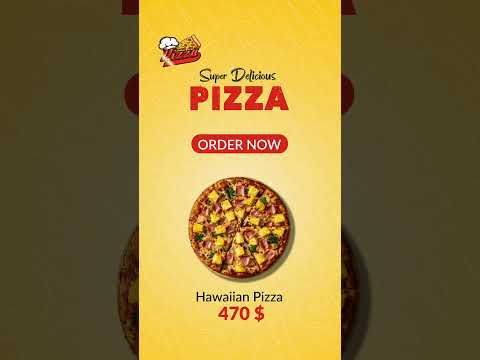
Why Studying Ad Examples Matters for Your Strategy
Analyzing real ads examples is like studying game tapes in sports. You learn what works, what fails, and why. When you reverse-engineer successful campaigns, you begin to recognize patterns in copywriting, design choices, and audience targeting that you can adapt for your own brand. This process builds what marketers call pattern recognition — the ability to quickly identify elements that drive engagement and conversion.
Top Ad Examples That Dominated in 2024
The digital advertising landscape in 2024 has been shaped by short-form video, personalized messaging, and platform-native creativity. Below are some of the most impactful ad examples that marketers and creatives have studied closely this year.
- Apple — “Shot on iPhone” Campaigns: Apple continues to leverage user-generated content as a powerful ad strategy. By showcasing stunning photographs taken on iPhones, the brand reinforces product quality while building community trust.
- Nike — Personalization-Driven Social Ads: Nike’s recent social media campaigns use dynamic creative optimization to serve different ad variations based on viewer interests, location, and behavior — making every impression feel custom-built.
- Spotify Wrapped — Shareable Year-in-Review Ads: Spotify’s annual Wrapped campaign is a masterclass in interactive advertising. Users become brand ambassadors by sharing personalized ad-style graphics on social media, generating billions of organic impressions.
- Old Spice — Absurd Humor in Video Ads: Old Spice has perfected the art of unexpected, humorous ad content that breaks through the noise of cluttered social feeds.
- Canva — Tutorial-Style Social Ads: Canva’s short-form video ads demonstrate the product in action, blending educational content with promotional messaging seamlessly.

Types of Ad Examples: From Print to Digital
Advertising has evolved dramatically over the past two decades, but understanding classic formats alongside modern digital strategies gives you a well-rounded perspective. Let us explore the major categories of ad examples you should study.
1. Print Advertising Examples
Print ads in magazines, newspapers, and billboards remain powerful for brands targeting specific demographics. A classic print ad example relies on bold imagery, minimal copy, and a single powerful message. Think of the iconic Nike “Just Do It” billboards or the minimalist Apple product launches printed in glossy magazines.
2. Social Media Ad Examples
Platforms like Instagram, TikTok, Facebook, and LinkedIn each demand a unique approach. A TikTok ad example might use trending audio and quick-cut editing, while a LinkedIn ad example focuses on professional credibility and thought leadership. The key is adapting your creative to the native behavior of each platform.
3. Video Ad Examples
Video advertising spans YouTube pre-rolls, Instagram Reels, TikTok, and connected TV. The most effective video ad examples hook the viewer within the first two seconds, deliver a clear message in under 30 seconds, and end with a memorable brand moment.
4. Search and Display Ad Examples

Google Ads search examples and display network banners rely heavily on concise copy, keyword relevance, and strong ad extensions. These formats require a different skill set — precision targeting and compelling ad copy that fits strict character limits.
Anatomy of a High-Converting Ad: Key Components Compared
Understanding the anatomy of successful ads examples helps you reverse-engineer the elements that drive results. The table below breaks down the core components of high-performing ads across different formats.
| Component | Print Ads Examples | Social Media Ads | Video Ads Examples |
| Hook (First 3 Seconds) | Bold headline or striking visual | Eye-catching image or trending audio | Unexpected opening or provocative question |
| Value Proposition | Single benefit stated clearly | Benefit + social proof | Problem → solution narrative |
| Visual Style | High-contrast photography or illustration | Native, authentic, user-style content | Cinematic or motion-driven storytelling |
| Call-to-Action | Direct and action-oriented | Swipe up, tap, or comment | End card with clickable link or CTA |
| Brand Consistency | Logo placement + brand colors | Aligned with brand voice and aesthetic | Consistent tone across all video touchpoints |
This comparison illustrates that while formats differ, the underlying principles of great advertising remain consistent across all channels. Whether you are crafting a print ad example or a TikTok video, the goal is the same: capture attention, communicate value, and drive action.
Best Practices for Creating Your Own Ad Examples
Now that you have studied what works, here are practical recommendations to help you build your own high-performing campaigns.
- Start With Audience Research: Before creating any ad, define your target audience in detail. What are their pain points, desires, and media consumption habits? The best ad examples are built on a foundation of deep audience understanding.
- A/B Test Relentlessly: Even the most successful brands test multiple variations. Run at least three different headlines, visuals, and CTAs simultaneously and let data guide your decisions.
- Embrace Platform-Native Creative: Ads that feel like organic content consistently outperform overly polished, corporate-style advertisements. Study what already performs well on each platform and adapt your creative accordingly.
- Focus on One Message Per Ad: Clutter kills conversion. The strongest ad examples communicate a single, clear idea rather than trying to say everything at once.
- Use Social Proof Strategically: Customer testimonials, user counts, reviews, and trust badges add credibility that pure copy alone cannot achieve.
- Optimize for Mobile First: The majority of digital ad impressions now come from mobile devices. Ensure your visuals, copy, and landing pages are optimized for small screens.
Expert Tips to Elevate Your Ad Campaigns
For intermediate and advanced marketers, consider these additional strategies drawn from the best ad examples in recent years. First, experiment with sequential storytelling — running a series of ads that tell a continuous narrative across multiple impressions. Second, leverage micro-moments by creating ads that are relevant to specific times of day, events, or trending topics. Finally, invest in creative fatigue monitoring using platform analytics to identify when your ads stop performing and need fresh creative.
Frequently Asked Questions About Ads Examples
What are some good ad examples for small businesses?
Small businesses often achieve the best results with simple, personality-driven ad content. Local restaurant social media ads, boutique e-commerce product showcases, and Google Search ads targeting specific service keywords are excellent starting points. The key is authenticity — audiences respond to ads that feel genuine rather than overly produced.
Where can I find the best ad examples to study?
Platforms like the Facebook Ad Library, TikTok Creative Center, and Google Ads Example Gallery provide free access to live and historical campaigns. Additionally, websites like AdAge, Campaign US, and the Shorty Awards showcase award-winning ads examples across industries and formats.
Viral ads typically combine emotional storytelling, unexpected humor or surprise, shareability built into the creative, and relevance to a wide audience. The Spotify Wrapped campaign and Old Spice’s absurdist humor ads are perfect case studies of digital ads that went viral because they gave people a reason to share.
How often should I refresh my ad creative based on examples?
Most digital advertising platforms experience creative fatigue after two to four weeks. A solid practice is to refresh your ad creative every two to three weeks, drawing inspiration from new ad examples and trends. Keeping a swipe file of inspiring campaigns helps you stay ahead of creative stagnation.
Can studying ad examples improve my conversion rates?
Absolutely. Studying successful ad examples trains your eye for what works in copywriting, design, and targeting. When you understand why a particular ad format drives clicks and conversions, you can apply those same principles — adjusted for your brand and audience — to improve your own campaign performance measurably.
What is the difference between a good ad and a great ad?
A good ad communicates a message clearly. A great ad creates an emotional connection, stands out in a crowded feed, and compels the viewer to take action without feeling like they are being sold to. The difference often comes down to storytelling quality, creative risk-taking, and how well the ad resonates with the target audience’s identity and aspirations.
Conclusion: Learn From the Best Ad Examples and Apply Them
The world of advertising is constantly evolving, but the fundamentals that make great ads endure remain the same. By studying diverse ads examples — from classic print campaigns to cutting-edge TikTok videos — you build a mental library of creative strategies, messaging techniques, and design principles that elevate your own work. Start by analyzing campaigns that resonate with you, break down what makes them effective, and then apply those lessons with your unique brand voice. The next iconic ad example could very well be one you create. The key is to keep learning, keep testing, and never stop studying the work that inspires you.