In today’s hyper-connected digital landscape, advertisement on social media has evolved from a novelty experiment into one of the most powerful marketing channels available to businesses of every size. Whether you’re a startup testing your first campaign or a global brand managing multi-million-dollar budgets, social media advertising offers unmatched precision, scalability, and real-time performance tracking. But here’s the thing — simply posting an ad doesn’t guarantee results. The real magic happens when you understand the mechanics behind paid social, know your platforms inside out, and craft strategies that resonate with real human behavior. This guide walks you through everything from foundational concepts to advanced tactics that will help you dominate the social advertising game in 2024 and beyond.
What Is Social Media Advertising and Why Does It Matter
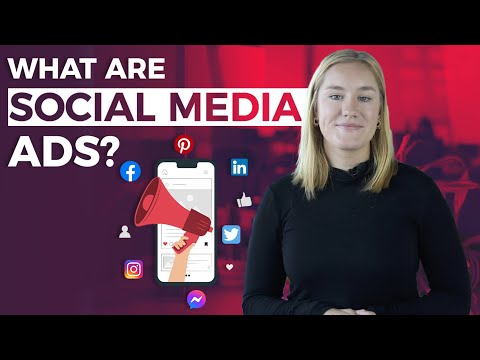
Social media advertising — also referred to as paid social media or social media marketing — is the practice of promoting products, services, or brands through paid placements on social networking platforms. Unlike organic social media, where you rely on free reach and follower engagement, paid social lets you place your content directly in front of precisely targeted audiences. Think of it as renting a billboard that only the people most likely to buy your product can see.
This distinction matters enormously. Organic reach on major platforms has declined steadily over the past decade. Facebook organic reach for business pages, for instance, has dropped to roughly 5% or less of total followers. That means even with 10,000 followers, only about 500 people might see a non-promoted post. Social media ads bypass this limitation entirely, giving your message a fighting chance in an overcrowded content environment.
The Evolution of Social Media Ads
Social media advertising wasn’t always this sophisticated. Early platforms like MySpace and early Facebook offered simple banner placements with minimal targeting. Fast forward to today, and platforms leverage machine learning, AI-driven bidding systems, and granular demographic filters that let you target users by interests, behaviors, purchase history, device type, location, and even life events. The progression has been nothing short of revolutionary, and it continues accelerating with the integration of augmented reality ads, shoppable posts, and AI-generated creative variations.
Key Benefits of Running Ads on Social Media
Understanding why digital advertising on social platforms outperforms many traditional channels is essential for any marketer. Here are the core advantages that keep advertisers investing billions annually:
- Hyper-targeted audience reach: Reach users based on demographics, interests, online behaviors, lookalike audiences, and custom data from your customer database.
- Cost efficiency: You control exactly how much you spend, whether it’s $5 per day or $50,000. Most platforms operate on auction-based pricing, meaning you only pay when someone takes action.
- Real-time performance tracking: Monitor impressions, clicks, conversions, and return on ad spend (ROAS) in real time, enabling rapid campaign adjustments.
- Brand awareness and trust: Consistent paid presence builds familiarity and positions your brand as credible and authoritative in your niche.
- Scalability: Start small, test multiple variations, and scale what works. What begins as a $20/day test can become a $10,000/day campaign within weeks.
- Engagement and community building: Well-crafted social ads drive comments, shares, and saves, creating organic ripple effects that amplify your message beyond the paid placement.
Top Social Media Platforms for Advertising
Not every platform suits every business. Choosing the right channels depends on your target audience, industry, content format preferences, and advertising goals. Here’s a closer look at the dominant players in the social advertising ecosystem:
Platform-by-Platform Breakdown
Facebook remains the advertising giant, with over 3 billion monthly active users. Its detailed targeting capabilities and mature ad infrastructure make it the default starting point for most advertisers. Instagram, owned by Meta, excels in visual storytelling and reaches a younger demographic that values aesthetics and authenticity. TikTok Ads have surged in importance, especially for brands targeting Gen Z, thanks to its short-form video format and highly engaged user base. LinkedIn Ads are the go-to for B2B marketers and professionals, offering job title, industry, and company size targeting. X (formerly Twitter) provides real-time engagement opportunities, while Pinterest drives purchase-intent traffic, particularly in lifestyle, fashion, and home décor niches.
Platform Comparison Table
| Platform | Best For | Ad Format Strength | Avg. CPC Range | Ideal Audience |
| Broad reach, conversions | Image, video, carousel | $0.50 – $2.00 | General consumers, 25-55 | |
| Visual brands, engagement | Reels, stories, carousel | $0.70 – $2.50 | Young adults, lifestyle | |
| TikTok | Awareness, viral content | Short-form video | $0.50 – $1.50 | Gen Z, Millennials |
| B2B lead generation | Sponsored content, InMail | $2.00 – $8.00 | Professionals, decision-makers | |
| E-commerce, purchase intent | Promoted pins, video | $0.50 – $1.50 | Women, DIY, lifestyle |
Types of Social Media Ad Formats
The creative format you choose directly impacts performance. Each format serves a different purpose and appeals to different user behaviors. Understanding these nuances is critical for crafting effective social media campaigns.
- Single Image Ads: Simple, fast to produce, and effective for clean messaging. Ideal for brand awareness and simple promotions.
- Video Ads: The highest-engagement format across most platforms. Short-form videos (15-30 seconds) typically outperform longer formats in feed placements.
- Carousel Ads: Allow multiple images or videos in a single ad unit, letting users swipe through different products or messages. Excellent for e-commerce.
- Stories and Reels Ads: Full-screen, immersive formats that capture attention during quick-scroll sessions. Typically command higher engagement rates than feed ads.
- Lead Generation Ads: Designed to collect user information (email, phone number) directly within the platform without requiring a landing page visit.
- Dynamic Product Ads (DPAs): Automatically show users products they previously viewed on your website. These are among the highest-converting ad types for e-commerce.
How to Build a Winning Social Media Ad Strategy
For beginners stepping into paid social media marketing, having a structured approach prevents wasted budget and confusing analytics. Follow this step-by-step framework to launch your first campaigns with confidence:
Step 1: Define Clear Objectives
Start by asking what you want your ads to achieve. Are you chasing brand awareness, driving website traffic, generating leads, or pushing direct sales? Your objective determines your platform choice, ad format, and measurement approach. Most platforms categorize objectives into three tiers: awareness (top of funnel), consideration (middle of funnel), and conversion (bottom of funnel).
Step 2: Set Your Budget and Bidding Strategy
Begin with a test budget you’re comfortable losing — typically $20 to $50 per day for a test campaign. Choose between daily budgets (spend spread evenly) and lifetime budgets (spent over a defined period). For bidding, start with the platform’s recommended strategy and let its AI optimize delivery before switching to manual controls as you gain data.
Step 3: Nail Your Targeting
Start broad with interest-based audiences, then layer in behavioral data and custom audiences from your existing customer lists. Build lookalike audiences based on your highest-value customers to expand reach while maintaining relevance. Avoid the common mistake of targeting too narrowly in the beginning — narrow audiences often lack sufficient volume for the algorithm to optimize effectively.
Step 4: Create Compelling Creative
Your creative is the make-or-break element. Hook viewers within the first 3 seconds, communicate one clear value proposition, and include a strong call-to-action. Test multiple variations — different headlines, images, video styles, and copy lengths — to discover what resonates with your audience.
Advanced Social Media Advertising Techniques
Once you’ve mastered the basics, it’s time to level up with strategies that separate average advertisers from high-performers in the social media advertising space.
Audience Segmentation and Retargeting
Social media retargeting is arguably the most powerful tool in your arsenal. By placing a tracking pixel on your website, you can serve ads specifically to people who visited your site but didn’t convert, added items to their cart but didn’t purchase, or engaged with your content but didn’t take a desired action. Retargeting campaigns typically see 2-3 times higher conversion rates than prospecting campaigns because they focus on warm audiences who already know your brand.
Segment these audiences further by behavior. Someone who spent 5 minutes on a product page deserves a different ad than someone who bounced from the homepage. Tailor your messaging and creative to each segment for dramatically improved results.
A/B Testing at Scale
Never assume you know what works. Systematic A/B testing — changing one variable at a time across ad copies, images, audiences, and placements — builds an evidence-based understanding of your audience. Top advertisers run tests continuously, treating every campaign as a learning experiment rather than a set-it-and-forget-it effort.
Measuring Success: KPIs and Analytics
Data-driven decision-making is the backbone of any successful social media ad strategy. Focus on these key performance indicators based on your campaign objective:
- Impressions and Reach: How many times your ad was displayed versus how many unique users saw it.
- Click-Through Rate (CTR): The percentage of people who clicked your ad after seeing it. A strong CTR indicates relevant creative and targeting.
- Cost Per Click (CPC): What you pay for each click. Lower is better, but balance with conversion quality.
- Conversion Rate: The percentage of clicks that result in a desired action. This is ultimately the metric that matters most.
- Return on Ad Spend (ROAS): Revenue generated per dollar spent. For most businesses, a ROAS above 3x is considered healthy.
- Cost Per Acquisition (CPA): What you spend to gain one customer. Compare this against your customer lifetime value to ensure profitability.
Common Mistakes to Avoid in Social Media Advertising
Even experienced marketers stumble. Here are the most frequent pitfalls that erode budgets and frustrate growth:
- Setting unrealistic expectations and expecting instant results from new campaigns.
- Running ads without a proper tracking setup, making it impossible to measure performance accurately.
- Copying competitor strategies without understanding their unique audience and market position.
- Neglecting mobile optimization — the majority of social media users access platforms via smartphones.
- Over-targeting and starving your campaigns of enough impressions for the algorithm to learn.
- Ignoring ad fatigue by showing the same creative to the same audience for too long without refreshing content.
Expert Tips for Maximizing Your Social Ad ROI
Take your social media marketing from competent to exceptional with these battle-tested recommendations:

- Launch campaigns with at least 5-7 creative variations to give the algorithm meaningful data to optimize against.
- Use video-first content whenever possible. Video consistently outperforms static imagery across every major platform.
- Build and nurture custom audiences from your email lists, website visitors, and app users for maximum relevance.
- Schedule campaign refreshes every 2-3 weeks with new creative to combat ad fatigue and maintain performance momentum.
- Leverage automated rules to scale up performing ads and pause underperformers without manual intervention.
- Integrate your social ad data with Google Analytics and CRM systems for a unified view of the customer journey.
Conclusion
Advertisement on social media is far more than placing a budget and hoping for the best. It’s a dynamic, data-rich discipline that rewards strategic thinking, creative excellence, and continuous optimization. Whether you’re just beginning to explore paid social or you’re looking to refine advanced techniques, the principles remain consistent: understand your audience deeply, deliver value through your creative, measure everything rigorously, and never stop iterating. The platforms will keep evolving, algorithms will keep changing, but the brands that win are the ones that treat social advertising as a long-term investment in relationships — not just a short-term tactic for clicks. Start with the fundamentals, stay patient through the learning phase, and let the data guide your growth.
Frequently Asked Questions
For small businesses with limited budgets, Facebook and Instagram offer the most accessible entry points due to their flexible ad delivery, detailed targeting, and low minimum spend requirements. Starting with $5-$10 per day on these platforms allows you to test audiences and creative without significant financial risk. TikTok is also increasingly affordable for smaller advertisers.
Most platforms require a learning period of 3-7 days before optimization stabilizes. During this phase, results may appear inconsistent as the algorithm explores different audience segments and placements. Patience is critical — avoid making changes during the first 48-72 hours unless the campaign has zero impressions.

Retargeting focuses on users who have already interacted with your brand, such as website visitors or email subscribers, and aims to convert them. Prospecting targets new, cold audiences to generate initial awareness and interest. A healthy campaign mix typically allocates 20-30% of budget to retargeting and 70-80% to prospecting for sustainable growth.
Monthly budgets depend on your goals, industry, and audience size. A common starting point is $500-$1,500 per month for small businesses, which translates to roughly $20-$60 per day. Enterprise brands often invest $10,000-$100,000+ monthly. The key is to start conservatively, measure efficiency, and scale spend proportionally to positive returns.
Absolutely. LinkedIn is the primary platform for B2B social advertising, offering targeting by job title, seniority level, industry, and company size. However, Facebook and Instagram also work well for B2B when targeting specific professional interests or using lookalike audiences built from existing client databases. Content marketing combined with strategic paid placement is particularly effective in the B2B space.
The essential metrics vary by objective but generally include click-through rate (CTR), cost per click (CPC), conversion rate, cost per acquisition (CPA), and return on ad spend (ROAS). For awareness campaigns, prioritize impressions, reach, and frequency. For sales-driven campaigns, focus on ROAS and CPA above all else to ensure profitability and sustainable scaling.