


Understanding advertising costs online is one of the most critical steps for any business looking to grow through digital marketing. Whether you are a small startup testing your first campaign or an established brand scaling your digital presence, the money you invest in online advertising directly determines your reach, conversions, and return on investment. The digital advertising landscape has evolved dramatically over the past decade, with businesses now spending over $600 billion globally on online ad channels every year. Yet, despite its widespread adoption, many marketers and business owners still struggle with the fundamental question: how much should you actually spend, and where does that money go? This comprehensive guide dives deep into the world of digital advertising costs, breaking down every channel, pricing model, influencing factor, and strategy you need to know to make smarter budget decisions and get the most out of every dollar spent.
What Are Online Advertising Costs?
Online advertising costs refer to the total amount of money a business pays to display promotional content across digital platforms such as search engines, social media networks, websites, and mobile apps. Unlike traditional advertising methods like television or print, digital advertising offers a level of transparency and measurability that allows advertisers to track exactly where their budget goes and what results they generate. The costs can vary enormously depending on the platform you choose, the audience you target, the geographic region you are advertising in, and the bidding model you select. Understanding these variables is essential for building a cost-effective campaign strategy that delivers real business outcomes rather than just burning through your budget with no clear direction.
Major Online Advertising Channels and Their Pricing Models

Pay-Per-Click (PPC) Advertising
PPC remains one of the most popular and cost-effective ways to drive targeted traffic to your website. In a pay-per-click model, you pay only when a user actually clicks on your ad, not merely for it to be displayed. The average cost-per-click varies significantly by industry, competition level, and keyword difficulty. For example, highly competitive sectors like insurance, legal services, and financial products often see CPCs ranging from $5 to $50 or more per click, while less competitive niches might average $1 to $3. Google Ads dominates the PPC landscape, but Microsoft Advertising and other search engines also offer viable alternatives that can reduce your cost per acquisition while still reaching high-intent audiences.
Social Media Advertising Costs
Social media platforms like Facebook, Instagram, LinkedIn, TikTok, and X (formerly Twitter) each come with their own advertising cost structures and audience demographics. Facebook and Instagram advertising typically offer the lowest entry costs, with average cost-per-click rates hovering between $0.50 and $2.00, making them ideal for small businesses with limited budgets. LinkedIn advertising tends to be significantly more expensive, often costing $5 to $15 per click or more, because it targets a professional and B2B audience with higher purchasing power. TikTok has emerged as a rapidly growing advertising channel, with costs that can be surprisingly low compared to other platforms, especially for businesses willing to invest in creative, video-first content that resonates with younger demographics.
Display Advertising and Programmatic Buying
Display advertising involves banner ads, video ads, and rich media placements on third-party websites across the internet. Programmatic buying automates the process of purchasing these ad placements through real-time bidding systems. The average cost for display advertising is typically measured as cost per mille, meaning cost per thousand impressions. Businesses can expect to pay anywhere from $0.50 to $3.00 per thousand impressions, though premium placements on high-traffic websites can cost significantly more. Programmatic advertising offers excellent scalability, but it also requires careful audience targeting and frequency capping to avoid wasting budget on irrelevant or overexposed impressions.
Search Engine Marketing Cost Breakdown
Search engine marketing encompasses both organic SEO efforts and paid search advertising. While organic SEO does not have a direct per-click cost, the investment in content creation, technical optimization, and link building represents a significant ongoing expense. Paid search, on the other hand, delivers immediate visibility and traffic. The cost of SEM depends heavily on keyword competition, quality score, and ad relevance. Businesses that optimize their landing pages, refine their ad copy, and maintain tight budget controls can dramatically reduce their cost per conversion while improving overall campaign performance.
Key Factors That Influence Digital Advertising Costs
Several interconnected factors determine how much you will spend on online advertising. Understanding these variables helps you make informed decisions about budget allocation and campaign strategy.
- Industry and Competition: Highly competitive industries drive up advertising costs because more businesses are bidding for the same audience segments and keywords.
- Geographic Targeting: Advertising in major metropolitan areas or developed countries like the United States, the United Kingdom, and Australia typically costs more than targeting smaller regions or emerging markets.
- Ad Quality and Relevance: Platforms like Google reward high-quality ads with lower costs and better positioning, so investing in compelling ad copy and optimized landing pages directly reduces your spending.
- Seasonality and Timing: Advertising costs spike during peak shopping seasons like Black Friday, Christmas, and back-to-school periods when competition for ad space intensifies.
- Targeting Precision: Narrower audience targeting often costs more per impression or click but can deliver higher conversion rates, improving your overall return on ad spend.
- Platform Algorithms: Each advertising platform uses its own algorithm to determine ad placement and pricing, meaning the same campaign can perform very differently across Google, Meta, and other networks.
Average Online Advertising Costs by Industry
The table below provides a general overview of average advertising costs across popular industries. Keep in mind that these figures represent rough estimates and can fluctuate based on the factors discussed above.
| Industry | Average CPC | Average CPM | Average CPA |
| Finance and Insurance | $3.00 – $6.00 | $15.00 – $30.00 | $50 – $200 |
| Legal Services | $5.00 – $10.00 | $10.00 – $25.00 | $100 – $500 |
| E-Commerce and Retail | $0.50 – $2.00 | $5.00 – $15.00 | $10 – $50 |
| Healthcare and Medical | $1.50 – $4.00 | $8.00 – $20.00 | $30 – $150 |
| Technology and SaaS | $2.00 – $5.00 | $10.00 – $25.00 | $50 – $300 |
| Education and Training | $1.00 – $3.00 | $6.00 – $18.00 | $20 – $100 |
| Home Services | $1.50 – $4.00 | $5.00 – $12.00 | $15 – $75 |
CPC stands for cost per click, CPM represents cost per thousand impressions, and CPA refers to cost per acquisition. These benchmarks serve as a useful starting point for budgeting, but your actual costs will depend on your specific targeting, creative quality, and campaign optimization efforts.
Practical Ways to Lower Your Online Advertising Costs
Reducing advertising costs without sacrificing performance requires a strategic approach. Here are proven methods that experienced digital marketers use to stretch their budgets further.
- Improve Your Quality Score: On platforms like Google Ads, a higher quality score leads to lower costs and better ad positions. Focus on creating highly relevant ad copy, using tightly themed ad groups, and designing landing pages that match user search intent.
- Leverage Negative Keywords: Regularly review your search term reports and add irrelevant or low-converting search queries as negative keywords to prevent wasted spend.
- A/B Test Everything: Test different headlines, ad descriptions, call-to-action buttons, and landing page designs to identify which variations deliver the best performance at the lowest cost.
- Optimize Bidding Strategies: Move from manual bidding to automated strategies like target CPA or target ROAS once you have enough conversion data, as these allow the platform’s algorithm to optimize for your specific goals.
- Retarget Warm Audiences: Retargeting users who have already interacted with your brand typically costs less than acquiring new cold leads, and it often yields higher conversion rates.
- Schedule Ads Strategically: Run your ads during times when your target audience is most active and likely to convert, reducing spend during low-performing hours.
Advanced Tips for Maximizing Ad Budget Efficiency
Once you have a solid foundation in place, these advanced strategies can take your cost efficiency to the next level. Consider implementing multi-touch attribution models to understand the full customer journey rather than relying solely on last-click attribution. This approach helps you recognize the value of upper-funnel channels that might appear underperforming in isolation but play a crucial role in driving conversions downstream. Additionally, experiment with audience exclusions to prevent your ads from showing to users who are unlikely to convert, such as existing customers or people who have already bounced from your site. Dynamic creative optimization allows you to automatically serve the most relevant ad variations to different audience segments, further improving engagement and reducing wasted impressions. Finally, consider diversifying across multiple channels rather than concentrating your entire budget on a single platform, as this hedges against algorithm changes and helps you discover new, cost-effective audiences.
Frequently Asked Questions
What is a reasonable advertising budget for a small business online?
Most small businesses should allocate between 7% and 10% of their gross monthly revenue to marketing and advertising. For digital advertising specifically, a starting budget of $500 to $2,000 per month is common, allowing enough data to test campaigns and identify what works before scaling up. The key is to start with a test budget, measure results carefully, and reallocate funds toward the highest-performing channels and campaigns.
How much does it cost to advertise on Google Ads?
Google Ads costs vary widely depending on your industry, keywords, and competition. The average small business spends between $9,000 and $10,000 per month on Google Ads, with CPCs ranging from $1 to $10 for most industries. However, highly competitive keywords in sectors like insurance and law can cost $50 or more per click. Your actual costs will depend on your bid strategy, quality score, and how well you optimize your campaigns over time.
What is the difference between CPM, CPC, and CPA in online advertising?
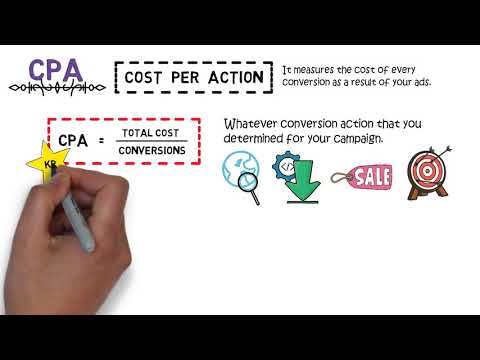
CPM, or cost per mille, refers to the cost you pay per thousand ad impressions and is commonly used in display and social media advertising. CPC, or cost per click, means you pay each time a user clicks on your ad, making it ideal for driving traffic to your website. CPA, or cost per acquisition, is a performance-based model where you only pay when a user completes a specific action such as making a purchase or filling out a form. CPA is generally the most advertiser-friendly model because it ties directly to business outcomes.
Can I run online advertising with a very limited budget?
Absolutely. Many businesses have achieved excellent results with budgets as low as $10 to $20 per day. The key is to focus on niche audiences, use highly specific long-tail keywords, create compelling ad copy, and optimize your landing pages for conversions. Even with a small budget, disciplined targeting and continuous testing can generate meaningful leads and sales.
Which online advertising channel offers the best ROI?
There is no single best channel for every business. Google Ads tends to deliver strong ROI for businesses capturing high-intent search traffic, while Meta advertising excels at building brand awareness and reaching broad consumer audiences. LinkedIn performs best for B2B lead generation, and email advertising often provides the highest ROI of any digital channel overall. The best approach is to test multiple channels, measure your return on ad spend for each, and double down on what works for your specific business model.
Conclusion
Advertising costs online are influenced by a complex interplay of industry dynamics, platform algorithms, audience targeting, and creative quality. Rather than viewing advertising spend as a fixed expense, the most successful businesses treat it as a strategic investment that requires ongoing optimization, testing, and refinement. By understanding the pricing models of each channel, benchmarking your costs against industry averages, and implementing the cost-reduction strategies outlined in this guide, you can build a digital advertising program that delivers sustainable growth and measurable results. The digital advertising landscape will continue to evolve, but the principles of smart budgeting, data-driven decision making, and relentless optimization will remain the foundation of every successful online advertising campaign.