


Advertising slogans are far more than catchy phrases slapped on a billboard or crammed into a thirty-second television spot. A well-crafted slogan distills an entire brand identity into a handful of words that live rent-free in the minds of consumers. Whether you are a seasoned marketing professional refining a global campaign or a small business owner trying to stand out in a crowded local market, understanding the psychology, structure, and strategy behind powerful advertising slogans is essential. This guide dives deep into what makes slogans work, how to create them, the most iconic examples in advertising history, and how to leverage them effectively in today’s digital-first marketplace.
What Is an Advertising Slogan and Why It Matters
An advertising slogan, also known as a tagline or brand motto, is a short, memorable phrase that communicates the core value, promise, or personality of a brand, product, or service. Unlike a mission statement, which is designed for internal audiences and stakeholders, a slogan is built for external consumption. It needs to be instantly understood, emotionally compelling, and easy to recall after a single exposure.
The importance of slogans extends well beyond brand recognition. Research in consumer psychology consistently shows that people make purchasing decisions based on emotional triggers rather than pure logic. A strong slogan activates those triggers by anchoring a brand to a feeling, a promise, or a cultural moment. When consumers hear “Just Do It,” they are not just recalling Nike’s marketing campaign — they are connecting with a mindset of determination and action. That emotional stickiness is what separates forgettable copy from legendary taglines.
The Anatomy of a Powerful Advertising Slogan
Not every short phrase qualifies as a great slogan. Behind the most enduring taglines lies a deliberate combination of linguistic craft, brand alignment, and consumer insight. Let us break down the core components.
Brevity and Memorability
The best advertising slogans are concise. Studies on memory retention show that phrases containing three to five words have the highest recall rates. Brevity forces clarity. When you strip away filler words and redundant modifiers, the remaining message hits harder. Consider phrases like “Think Different” (Apple) or “I’m Lovin’ It” (McDonald’s). Each is compact, rhythmic, and almost impossible to forget.
Emotional Resonance and Benefit Communication
Every effective slogan taps into an emotion — aspiration, humor, nostalgia, belonging, or even rebellion. At the same time, it communicates a tangible or perceived benefit. “Because You’re Worth It” (L’Oréal) speaks directly to self-worth while reinforcing the idea that the product is a form of self-care. The best taglines balance heart and head, stirring an emotional response while subtly reinforcing what the brand delivers.
Distinctiveness and Brand Fit
A slogan that could belong to any company belongs to no company. Distinctiveness means avoiding generic language that blends into the noise. It also means ensuring the phrase aligns authentically with the brand’s voice, values, and target audience. A luxury watch brand using a playful, slang-heavy tagline would create confusion, just as a youth-oriented sneaker brand using formal, corporate language would feel disconnected.
Famous Advertising Slogans That Defined Brands
Some advertising slogans transcend their campaigns and become embedded in everyday language. Examining these iconic examples reveals patterns that every copywriter and marketer can learn from.
- Nike — “Just Do It” (1988): Three words that transformed the brand into a cultural symbol of perseverance and athletic achievement. The slogan works because it is imperative, universal, and emotionally charged.
- De Beers — “A Diamond Is Forever” (1947): This tagline single-handedly linked diamonds to eternal love, fundamentally shaping consumer behavior around engagement rings for decades.
- Apple — “Think Different” (1997): A rallying cry for innovation and nonconformity that positioned Apple as the brand for creative visionaries.
- L’Oréal — “Because You’re Worth It” (1973): A declaration of self-value that resonated especially powerfully with female consumers and repositioned beauty as an investment, not an expense.
- M&Ms — “Melts in Your Mouth, Not in Your Hands” (1954): A product benefit wrapped in a clever, rhythmic structure that solved a real consumer pain point.
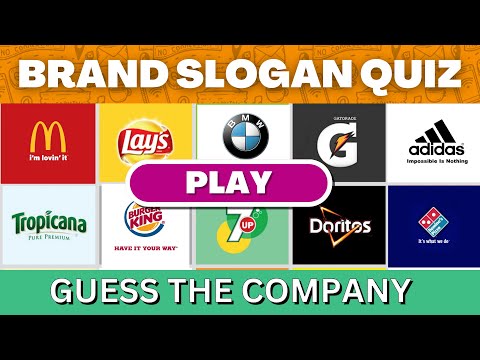
What unites these examples is not just clever wordplay — it is strategic alignment with the brand’s identity and a deep understanding of the target audience’s desires and motivations.
How to Write Advertising Slogans That Stick
Creating a memorable slogan is not a matter of waiting for divine inspiration. It is a structured process that combines research, creativity, and rigorous testing. Here is a practical framework you can follow.
Step-by-Step Process
- Define your brand promise: What single value or benefit do you want consumers to associate with your brand? Write it down in plain language before you attempt to craft anything clever.
- Know your audience deeply: What language do they use? What aspirations drive them? What frustrations do they want solved? A slogan that resonates with Gen Z will fall flat with baby boomers, and vice versa.
- Brainstorm without limits: Generate as many variations as possible — include bad ideas. Quantity breeds quality, and the worst ideas often contain a kernel of brilliance that can be refined.
- Apply the rule of simplicity: Edit ruthlessly. Remove every word that does not add meaning or emotional weight. A slogan should be readable in under two seconds.
- Test with real people: Run your top candidates through surveys, focus groups, or social media polls. Measure recall, clarity, and emotional response. The best slogan is the one your audience remembers and feels.
- Ensure legal viability: Before finalizing, conduct a trademark search to confirm that your slogan is not already registered in your industry or category.
Common Mistakes to Avoid

- Being too generic: Phrases like “Quality You Can Trust” or “We Put Customers First” add nothing distinctive. Every competitor could say the same thing.
- Overcomplicating the message: If your slogan requires a footnote to explain, it is too long and too convoluted.
- Chasing trends instead of timelessness: Slang and cultural references date quickly. A great slogan should feel relevant for years, not months.
- Ignoring cultural context: A phrase that works in one language or market may carry unintended meanings in another. Always test slogans across demographics and geographies.
Comparing Slogan Types: Which Approach Works Best?
Different brands adopt different slogan strategies depending on their positioning, industry, and marketing goals. Understanding these categories helps you choose the right approach for your own brand.
| Slogan Type | Description | Best For | Example |
| Descriptive | Directly communicates a product benefit or feature | New products, functional categories | “Melts in Your Mouth, Not in Your Hands” |
| Emotional | Appeals to feelings, identity, or values | Lifestyle brands, luxury, apparel | “Because You’re Worth It” |
| Action-Oriented | Uses imperative verbs to inspire behavior | Fitness, outdoor, tech | “Just Do It” |
| Humorous | Leverages wit or surprise to grab attention | Casual brands, food, beverages | “Have It Your Way” |
| Promise-Based | Makes a specific commitment to the consumer | Service industries, insurance, finance | “We Bring Good Things to Life” |
| Brand Philosophy | Expresses a broader mission or worldview | Established brands, mission-driven companies | “Think Different” |
The most effective slogan type depends on your brand maturity, competitive landscape, and the stage of the customer journey you are targeting. Newer brands often benefit from descriptive or promise-based slogans because they communicate immediate value. Established brands frequently shift toward emotional or philosophical taglines that reinforce long-term identity.
SEO and Digital Marketing: The Role of Slogans
In the age of search engines, social media, and content marketing, advertising slogans play a surprisingly important role in digital visibility. Your tagline often appears in your website header, social media bios, video intros, and ad copy — all of which are indexed by search engines and scanned by algorithms that evaluate relevance and user engagement.
When your slogan contains semantically relevant keywords or phrases that align with what your target audience searches for, it reinforces your brand’s topical authority. For example, a home security company using “Protect What Matters Most” signals both an emotional benefit and a clear brand promise that aligns with search intent around home safety.
Additionally, consistent use of your slogan across digital platforms strengthens brand recognition signals that search engines like Google reward. When users repeatedly encounter your tagline alongside your brand name across websites, ads, and social posts, it builds the kind of co-occurrence patterns that boost your relevance for branded and category-level queries.
FAQs About Advertising Slogans
What makes a good advertising slogan memorable?
A memorable advertising slogan is short, emotionally resonant, and tied to a clear brand promise. It should be easy to recall after a single exposure and distinct enough to differentiate the brand from competitors. Rhythm, rhyme, and simplicity are powerful tools, but emotional truth matters more than wordplay alone.
How long should an advertising slogan be?
The ideal length for an advertising slogan is between three and seven words. Shorter slogans tend to be more memorable, but the right length depends on the complexity of the brand message. The key constraint is that the slogan must be instantly comprehensible and effortless to repeat.
Can a slogan be changed after it has been established?
Yes, brands do refresh their slogans, but it is a strategic decision that should not be taken lightly. A slogan change can signal a brand evolution, a new target audience, or a repositioning effort. However, changing too frequently can erode brand recognition and confuse loyal customers. Most successful brands update their taglines only when the original phrase no longer reflects their current identity or competitive positioning.
What is the difference between a slogan and a hashtag?
While both are short, shareable phrases, a slogan is a permanent brand asset designed to communicate identity and value over the long term. A hashtag is a tactical social media tool optimized for content discovery and campaign engagement. Some slogans are adapted into hashtags for digital campaigns, but the two serve different strategic purposes and should not be treated as interchangeable.
Do advertising slogans actually impact sales?
Indirectly, yes. Slogans do not convert customers on their own, but they shape brand perception, build top-of-mind awareness, and create emotional connections that influence purchasing decisions over time. When paired with a strong product, consistent messaging, and effective media placement, a powerful slogan amplifies the entire marketing ecosystem and contributes measurably to brand equity and long-term revenue growth.
Conclusion
Advertising slogans are among the most powerful — and most underestimated — tools in a marketer’s arsenal. A great tagline does not just sell a product; it defines a brand’s voice, crystallizes its promise, and creates an emotional bond with the people who matter most. Whether you are drawing inspiration from decades of iconic advertising or crafting something entirely new for your own brand, the principles remain the same: keep it simple, make it emotional, ensure it is distinctive, and test it relentlessly. The right slogan does not just enter the conversation — it starts one. Invest the time and creative energy required to get it right, and it will reward your brand for years to come.