


When you ask most marketers, entrepreneurs, or brand managers what the “best advertisement” is, you rarely get a single, clean answer. The truth is that the most effective ad depends on your audience, your budget, your platform, and your goals. What works brilliantly for a local coffee shop might fall flat for a B2B software company, and vice versa. Over the past decade, the advertising landscape has shifted dramatically—from traditional print and TV spots to hyper-targeted social media campaigns and AI-driven programmatic ads. Understanding what makes an advertisement truly stand out requires more than just creative instincts. It demands a blend of strategy, data, emotional storytelling, and technical execution.
What Makes an Advertisement the “Best”?
A standout advertisement isn’t just visually appealing or cleverly worded. It resonates with its intended audience at the right moment, delivers a clear value proposition, and drives measurable action. Whether you are running a small startup campaign or managing enterprise-level brand awareness, several core principles separate mediocre ads from genuinely transformative ones.
Here is what separates the best advertisements from the rest:
- Emotional resonance: The most memorable ads tap into human emotions—humor, nostalgia, surprise, or aspiration. People remember how an ad made them feel long after they forget the product name.
- Clear call-to-action: Every high-performing advertisement tells the viewer exactly what to do next, whether that is signing up, purchasing, or sharing content.
- Relevance and targeting: The best ad is the one that reaches the right person at the right time with the right message.
- Strong creative execution: Compelling visuals, concise copy, and a cohesive brand voice elevate even simple campaigns.
- Performance data: Truly the best advertisement is one that delivers measurable results—click-through rates, conversions, engagement, or return on ad spend.
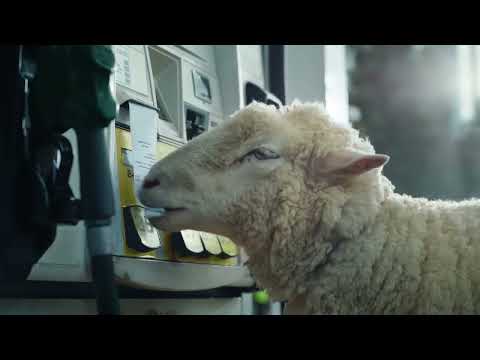
Types of Best Advertisement for Different Business Goals
No single format dominates every use case. The most effective advertising strategy typically involves a mix of formats tailored to your specific objectives. Let us break down the strongest contenders across different goal categories.
1. Social Media Video Ads
Short-form video advertisements on platforms like TikTok, Instagram Reels, and YouTube Shorts have become the dominant format for brand awareness and engagement. These ads thrive on authenticity, fast storytelling, and native-feeling content that doesn’t look like a traditional commercial. Brands that embrace raw, user-generated-style video tend to outperform polished, overly produced spots.
Key advantages include:

- High engagement rates among younger demographics
- Algorithm-friendly formats that boost organic reach
- Cost-effective production compared to TV spots
- Built-in sharing and virality potential
2. Search Engine Advertising (SEA)
Google Ads and Bing Ads remain powerful tools for capturing high-intent traffic. When someone is actively searching for a product or service, a well-crafted search ad can deliver some of the highest conversion rates in digital marketing. The best advertisement in this category uses precise keyword targeting, compelling ad copy, and tight landing page alignment.
3. Native Advertising and Sponsored Content
Native ads blend seamlessly into the content feed, whether on a news site, a blog, or a social platform. Because they don’t interrupt the user experience, they tend to generate higher trust and lower ad fatigue. The best native advertisements match the tone, format, and quality of the surrounding editorial content so closely that readers barely notice they are viewing paid material—until they click.
4. Programmatic Display and Retargeting Ads
Programmatic advertising uses AI to buy and place ads in real time across thousands of websites and apps. Retargeting campaigns specifically target users who have already interacted with your brand, making them one of the most efficient ways to recover lost leads and drive repeat purchases.
Top Advertising Platforms Compared
Choosing the right platform is half the battle. The table below compares the leading advertising platforms based on key factors that matter most to advertisers today.
| Platform | Best For | Average CPC | Audience Reach | Difficulty Level |
| Google Ads | High-intent search traffic | $1.00 – $2.00 | Billions of daily searches | Intermediate |
| Meta Ads (Facebook/Instagram) | Brand awareness, social targeting | $0.50 – $1.50 | Over 3 billion monthly users | Beginner |
| TikTok Ads | Viral reach, Gen Z/Millennial audiences | $0.50 – $1.00 | 1.5+ billion active users | Intermediate |
| LinkedIn Ads | B2B lead generation | $2.00 – $5.00 | 950+ million professionals | Advanced |
| YouTube Ads | Long-form video storytelling | $0.10 – $0.30 per view | 2+ billion logged-in users | Intermediate |
| Amazon Sponsored Products | E-commerce conversion | $0.20 – $1.50 | 300+ million active customers | Beginner |
Expert Tips for Creating the Best Advertisement Every Time
Even experienced marketers can fall into traps that waste budget and dilute campaign performance. These expert-backed strategies will help you consistently produce advertisements that outperform the competition.
Lead With the Hook, Not the Product
The first three seconds of any advertisement determine whether a viewer keeps watching or scrolls past. Instead of opening with your logo or product shot, start with a bold statement, a surprising fact, or a relatable problem your audience faces. The best ads earn attention before they ever mention the brand.
Test Multiple Variations Simultaneously
A/B testing is non-negotiable for serious advertisers. Run at least three to five variations of your ad creative, copy, and targeting parameters simultaneously. Let the data guide your decisions rather than gut feelings. Over time, this iterative process compounds into dramatically better performance.
Optimize for Mobile First
More than 60 percent of digital ad impressions now come from mobile devices. If your advertisement does not render beautifully on a small screen with fast loading times, you are losing a massive portion of your potential audience. Use vertical video formats, large text overlays, and thumb-friendly call-to-action buttons.
Leverage Social Proof and User-Generated Content
Consumers trust peer recommendations far more than branded messaging. Incorporating customer testimonials, reviews, or user-generated content into your ads can significantly boost credibility and conversion rates. The best advertisement often feels like a recommendation from a friend, not a sales pitch from a corporation.
Common Mistakes That Undermine Great Ads
Even the most creative advertisement can fail if it makes these preventable errors:
- Vague messaging: If a viewer cannot understand your ad’s purpose within two seconds, you have already lost them.
- Ignoring analytics: Running campaigns without tracking key metrics like CTR, CPA, and ROAS means you are flying blind.
- Over-targeting or under-targeting: Narrowing your audience too much limits reach, while casting too wide dilutes relevance.
- Neglecting frequency caps: Showing the same ad too often causes ad fatigue and negative brand associations.
- Misaligned landing pages: The best advertisement in the world will underperform if the landing page does not deliver on the ad’s promise.
Frequently Asked Questions About the Best Advertisement
What is the best advertisement format for small businesses with limited budgets?
For small businesses, social media video ads on Meta and TikTok platforms typically deliver the highest return on investment. These platforms offer low-cost entry points, sophisticated targeting options, and the ability to start with as little as $5 per day. Focus on authenticity and local relevance rather than high-production value to maximize your limited budget.
How do you measure whether an advertisement is truly the “best”?
The best advertisement is measured by its performance against predefined KPIs, including cost per acquisition, return on ad spend, click-through rate, and engagement rate. An ad that generates millions of impressions but zero conversions is not the best advertisement for your business. Always tie your creative decisions back to measurable outcomes.
Viral advertisements typically combine unexpected storytelling, high emotional impact, and shareable moments that encourage organic distribution. The best viral ads do not feel like advertisements at all—they feel like content people genuinely want to share with their friends. Relatability, surprise, and cultural relevance are the primary drivers of virality.
Which advertising platform gives the best results for e-commerce stores?
Amazon Sponsored Products and Meta retargeting campaigns are consistently the best advertisement choices for e-commerce businesses. Amazon captures high-intent buyers actively searching to purchase, while Meta retargeting re-engages website visitors who showed interest but did not convert. Combining both platforms typically yields the strongest e-commerce results.
Is the best advertisement always the most expensive one?
Absolutely not. Budget size has very little correlation with ad quality. Some of the most effective advertisements in history were created with minimal resources and relied on brilliant creative strategy, emotional storytelling, and precise audience targeting. The best advertisement is the one that resonates with its audience and drives action, regardless of production cost.
Final Thoughts
The best advertisement is not a single format, platform, or creative tactic. It is a strategic blend of audience insight, compelling storytelling, data-driven optimization, and relentless testing. Whether you are launching your first paid campaign or scaling an enterprise-level advertising operation, focusing on relevance, creativity, and measurable outcomes will always set your ads apart from the noise. Start small, learn quickly, and never stop iterating—because the landscape of digital advertising evolves constantly, and the brands that thrive are the ones that evolve with it.