When we talk about the best marketing campaigns ever, we are not just referencing clever advertisements — we are discussing cultural turning points that reshaped industries, redefined brand identity, and changed the way consumers think about products and services. From the iconic television commercials of the 1980s to the social media-driven viral sensations of today, the greatest marketing campaigns share a rare combination of creativity, emotional resonance, and strategic brilliance. If you are a marketing professional, a business owner, or a curious enthusiast, understanding what made these campaigns legendary can unlock powerful insights for your own strategy. In this comprehensive guide, we explore the most impactful marketing campaigns in history, analyze why they worked, and provide actionable takeaways you can apply regardless of your budget or industry.
What Separates the Best Marketing Campaigns from the Rest
Before diving into specific examples, it is essential to understand the underlying principles that separate ordinary promotions from truly legendary marketing campaigns. The campaigns we celebrate did not simply sell products — they told stories, sparked conversations, and built emotional connections that endured for decades. Several factors consistently appear across the most celebrated campaigns in marketing history.
- Emotional storytelling: The best campaigns tap into universal human emotions — aspiration, humor, nostalgia, or belonging — creating a bond between the audience and the brand.
- Cultural relevance: Iconic campaigns align with the cultural moment, addressing real societal conversations rather than ignoring them.
- Simplicity of message: The most memorable brands and campaigns distill their core promise into a single, unforgettable phrase or visual.
- Cross-channel amplification: Great campaigns do not rely on one medium. They expand across television, print, digital, and social platforms to maximize reach.
- Authenticity and purpose: Consumers today can detect inauthenticity instantly. The most trusted campaigns reflect genuine brand values, not manufactured messaging.
These principles form the foundation of every campaign we will explore below.
Classic Advertising Campaigns That Changed the Industry
Nike’s “Just Do It” — The Power of a Three-Word Manifesto
Few marketing campaign examples carry as much cultural weight as Nike’s “Just Do It.” Launched in 1988 by the Wieden+Kennedy agency, this slogan transformed Nike from a competitive athletic footwear brand into a global symbol of personal determination and perseverance. The campaign was inspired by the last words of Gary Gilmore before his execution, and Wieden+Kennedy recognized its raw, unfiltered power. By associating the brand with real human struggle and triumph — through ads featuring athletes like Michael Jordan and lesser-known everyday runners — Nike built a campaign that transcended sports. The phrase became a universal motivational anthem, appearing on tattoos, merchandise, and everyday conversation. This is a masterclass in how a simple, emotionally charged tagline can define a brand for generations.
Apple’s “Think Different” — Rebranding Through Rebellion
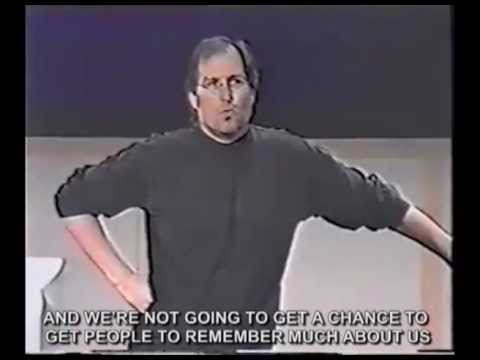
In 1997, when Apple was struggling and Steve Jobs returned to the company, the “Think Different” campaign became one of the most brilliant brand repositioning campaigns in history. The campaign featured black-and-white portraits of visionaries like Albert Einstein, Martin Luther King Jr., and Muhammad Ali, paired with narration celebrating those who dared to challenge the status quo. Apple did not just sell computers — it sold a philosophy of innovation and nonconformity. The campaign communicated that choosing Apple meant choosing creativity and bold thinking. This approach turned a struggling tech company into a cultural icon and demonstrated the immense power of aligning a brand with a larger ideological movement rather than product specifications.
Digital-Era Marketing Campaigns That Went Viral
Old Spice’s “The Man Your Man Could Smell Like” — Reinventing a Legacy Brand
When Procter & Gamble launched Old Spice’s “The Man Your Man Could Smell Like” in 2010, the company was perceived as outdated and appealing primarily to older demographics. The campaign, created by Wieden+Kennedy and featuring actor Isaiah Mustafa, completely flipped that perception. The surreal, fast-paced commercial became an immediate viral sensation, accumulating millions of views within days. What made this campaign truly exceptional was its interactive follow-up strategy — Mustafa responded to real-time questions and comments on social media with personalized video messages, turning a one-time ad into an ongoing, engaging conversation. This remains one of the finest digital marketing campaign case studies, demonstrating how humor, creativity, and real-time audience engagement can completely revitalize a brand’s image.
Dove’s “Real Beauty” — Redefining Standards in Consumer Advertising

Dove’s “Real Beauty” campaign, which began in 2004, challenged the beauty industry’s narrow and often unrealistic standards by featuring women of different ages, sizes, and ethnicities in its advertisements. The campaign was groundbreaking because it took a consumer products brand and positioned it as a champion of self-esteem and authenticity. The iconic “Evolution” video, which showed how a regular woman was transformed into a billboard model through digital editing, went viral and sparked worldwide conversations about media representation. Dove did not just sell soap — it built a movement around body positivity and real human beauty. This campaign demonstrates how aligning a product with a meaningful social cause can generate enormous brand loyalty and media attention without relying on traditional hard-sell tactics.
Campaign Breakdown: A Comparative Overview
To better understand the scale and impact of these legendary efforts, let us compare some of the most successful marketing campaigns across key dimensions.
| Campaign | Brand | Year | Key Strategy | Primary Channel | Cultural Impact |
| Just Do It | Nike | 1988 | Emotional storytelling with athlete endorsements | Television & Print | Became a universal motivational phrase worldwide |
| Think Different | Apple | 1997 | Brand repositioning through ideological alignment | Television & Print | Rebuilt Apple as a symbol of innovation |
| The Man Your Man Could Smell Like | Old Spice | 2010 | Humor + real-time social media interaction | YouTube & Social Media | Completely revitalized a legacy brand’s image |
| Real Beauty | Dove | 2004 | Social advocacy + authentic representation | Television & Digital Video | Sparked global conversation on beauty standards |
| The Share a Coke Campaign | Coca-Cola | 2011 | Personalization + user-generated content | In-Store & Social Media | Drove significant sales lift and social engagement |
As this comparison shows, the most successful marketing campaigns share common threads: they are creative, emotionally resonant, and strategically aligned with their brand’s core identity. No two campaigns followed the exact same path, yet each achieved remarkable results through a deep understanding of their target audience.
Why These Campaigns Succeeded: Key Principles to Learn From
Analyzing the best marketing campaigns ever reveals a set of repeatable principles that any brand can study and adapt:
- Lead with emotion, not product features. The campaigns that endure are those that make people feel something. Nike’s “Just Do It” is not about shoes — it is about the feeling of pushing past your limits. Dove’s “Real Beauty” is not about soap — it is about self-acceptance.
- Know your audience deeply. Every successful campaign was built on thorough audience research. Old Spice understood that younger male consumers needed a reason to revisit their brand. Apple recognized that creative professionals craved a tool that matched their identity.
- Create shareable, conversation-worthy content. In the digital age, the best campaigns do not just reach audiences — they inspire audiences to participate. The Share a Coke campaign encouraged millions of people to share photos of personalized bottles, generating billions of impressions organically.
- Stay consistent with brand values. Great campaigns are not one-off stunts. They are extensions of a brand’s authentic identity. When the message feels genuine, audiences respond with trust and loyalty.
- Measure and adapt in real time. Modern campaigns that achieved viral success — like Old Spice’s interactive videos — leveraged real-time data and audience feedback to keep the content fresh and relevant.
Practical Recommendations for Building Your Own Iconic Campaign
Whether you are just beginning your marketing journey or refining an advanced strategy, these expert tips can help you craft campaigns that leave a lasting impression.
Start With a Clear Brand Purpose
Before you create a single piece of content, define what your brand stands for. The best marketing campaigns ever emerged from a clear, compelling brand purpose. Ask yourself: what change do we want to inspire in our audience? When your purpose is sharp and authentic, your messaging becomes naturally more persuasive.
Invest in Creative Storytelling
Budget constraints should never completely limit your creativity. Some of the most effective campaigns in history — including Dollar Shave Club’s launch video — were produced with modest budgets but extraordinary creative vision. Focus on telling a story that your audience wants to experience, not just watch.
Embrace Multi-Channel Distribution
A single platform will rarely amplify your message to its full potential. Plan your campaign to work across television, social media, email, in-store experiences, and digital advertising. Each channel should reinforce the same core message while adapting to the unique behavior of its audience.
Prioritize Authenticity Over Perfection
Audiences today are drawn to authenticity more than polished production. User-generated content, behind-the-scenes footage, and real customer stories often outperform heavily scripted advertisements. Let your brand’s genuine voice lead the way.
Conclusion
The best marketing campaigns ever share a common DNA: they are rooted in authentic storytelling, emotionally compelling messaging, and strategic audience understanding. From Nike’s motivational legacy to Old Spice’s digital reinvention, these campaigns did not simply generate sales — they built cultural movements that transformed entire industries. By studying their strategies, embracing the principles that made them successful, and applying them creatively to your own context, you can build campaigns that resonate deeply, drive meaningful engagement, and stand the test of time. The next iconic campaign might just be yours.
Frequently Asked Questions
Viral marketing campaigns typically combine emotional resonance, surprise, humor, or social relevance with shareable formats. They succeed when audiences feel compelled to pass the content along, often because it reflects their values or sparks an emotional reaction. Real-time interaction, as seen in Old Spice’s campaign, also significantly boosts viral potential by making the audience feel personally involved.
Which marketing campaign is considered the most successful of all time?

While the answer depends on the metrics used — awareness, cultural impact, ROI, or engagement — Nike’s “Just Do It” campaign is frequently cited as one of the most successful marketing campaigns ever executed. Its simplicity, emotional power, and decades-long endurance set a benchmark that few campaigns have matched. Apple’s “Think Different” and Coca-Cola’s “Share a Coke” also rank among the top all-time successes.
How can small businesses replicate the success of famous marketing campaigns?
Small businesses do not need massive budgets to create impactful campaigns. The key is to focus on a clear, authentic message that resonates with your specific audience. Leverage user-generated content, tell genuine customer stories, and use social media platforms where your audience already spends time. Creativity and consistency matter far more than production scale.
Social media is now an essential component of virtually every successful marketing campaign. It provides a platform for real-time engagement, allows brands to amplify their reach organically through sharing, and enables direct interaction between brands and consumers. Campaigns that integrate social media strategically — such as encouraging user participation or responding to audience input — tend to generate significantly stronger results than those that treat social platforms as an afterthought.
Why do some marketing campaigns fail despite high budgets?
High budgets do not guarantee success. Campaigns fail when they lack authentic messaging, misunderstand their target audience, prioritize production quality over storytelling, or feel disconnected from the brand’s actual values. The most effective campaigns succeed because of strategic clarity and emotional connection, not financial investment alone.