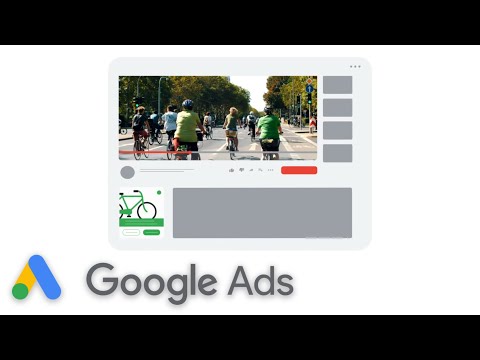
Display advertising has become one of the most powerful tools in digital marketing, yet many marketers and business owners still struggle to fully understand what display ads really are and how they can leverage them for growth. If you’ve ever scrolled through a website and noticed a banner that catches your eye — an animated image, a product recommendation, or a video ad that seems to follow you across the web — that’s a display ad in action. Defining display ads goes far beyond a simple explanation; it involves understanding the ecosystem, the technology behind ad delivery, the various formats available, and the strategies that separate mediocre campaigns from high-performing ones. In this comprehensive guide, we’ll break down everything you need to know about display advertising, from foundational concepts to advanced tactics that experienced marketers use to maximize return on investment.
What Are Display Ads?
At its core, what are display ads — they are visual advertisements that appear on third-party websites, apps, and digital platforms rather than on search engine results pages. Unlike search ads, which respond to a user’s active query, display ads are typically proactive, meaning they reach audiences based on targeting criteria like demographics, browsing behavior, interests, and retargeting signals. Google’s Display Network alone reaches over 90% of internet users worldwide, making it one of the largest advertising ecosystems available to marketers today. Display ads can include images, text, video, audio, and interactive elements, and they appear across a vast network of publisher sites, mobile apps, and streaming platforms.

The primary goal of display advertising is brand awareness, audience engagement, and conversion-driven outreach. Whether you’re a small e-commerce store or a Fortune 500 company, understanding the display ads definition gives you the foundation to build campaigns that connect with your ideal audience at the right moment — even before they explicitly search for your product or service.
How Display Ads Work
The Ad Serving Process
The mechanics behind display advertising involve a complex but elegant ecosystem of ad exchanges, demand-side platforms (DSPs), supply-side platforms (SSPs), and ad networks. Here’s how the process typically unfolds:
- Advertiser creates a campaign: You define your targeting parameters, budget, creative assets, and bid strategy within a platform like Google Ads or a third-party DSP.
- User visits a publisher site: When a visitor loads a webpage that has ad inventory, an ad request is sent to an ad exchange.
- Auction takes place: Advertisers compete in a real-time auction to win the ad slot based on factors like bid amount, relevance, and audience targeting.
- Ad is served: The winning ad is delivered to the user’s browser and displayed on the webpage within milliseconds.
- User interacts or converts: Data about impressions, clicks, and conversions is collected and reported back to the advertiser for optimization.
This entire process happens in under 100 milliseconds, making it nearly invisible to the user while enabling incredibly precise targeting and measurement.
Key Components of a Display Ad

Every effective display ad consists of several essential components working together:
- Creative assets: Images, videos, HTML5 animations, or rich media files that visually communicate the message.
- Headline and copy: Concise, compelling text that grabs attention and communicates value.
- Call-to-action (CTA): A clear directive like “Shop Now,” “Learn More,” or “Sign Up Free” that drives user action.
- Landing page: The destination page where users arrive after clicking the ad — this must be relevant and optimized for conversion.
- Tracking pixels and pixels: Code snippets that measure impressions, clicks, conversions, and audience segments.
Types of Display Ads

Display advertising encompasses a wide variety of formats, each suited for different campaign objectives and audience experiences:
- Banner Ads: The classic rectangular display units that sit at the top, bottom, or sides of a webpage. They remain one of the most widely used formats.
- Rich Media Ads: Interactive ads that include animations, expandable features, hover effects, or embedded video to increase engagement.
- Responsive Display Ads: Automatically sized and formatted ads that adapt to any available ad space across the Google Display Network.
- Native Ads: Ads designed to match the visual and editorial style of the host platform, making them feel organic rather than intrusive.
- Retargeting Ads: Ads served specifically to users who previously visited your website or engaged with your brand but did not convert.
- Video Display Ads: Short video creative units that play within display ad placements, often used on YouTube and video publisher sites.
Display Ads vs Other Ad Formats
Understanding how display advertising compares to other digital ad formats helps you allocate budget strategically and choose the right channel for each objective.
| Feature | Display Ads | Search Ads | Social Ads |
| Intent Level | Passive / Proactive | Active / High Intent | Mixed |
| Primary Goal | Brand Awareness | Direct Conversion | Engagement & Awareness |
| Targeting Basis | Demographics, Interests, Retargeting | Keywords and Search Queries | Interests, Behaviors, Lookalikes |
| Cost Model | CPM, CPC, CPA | CPC, CPA | CPC, CPM, CPA |
| Ad Format | Visual, Rich Media, Video | Text-Based | Visual, Video, Carousel |
| Placement | Third-Party Websites & Apps | Search Engine Results Pages | Social Media Platforms |
The key distinction is that display ads excel at top-of-funnel brand building, while search ads are better suited for capturing high-intent buyers at the bottom of the funnel. The most effective digital strategies often combine both approaches for comprehensive coverage.
Benefits of Display Advertising
Display ads offer a unique set of advantages that make them indispensable in a modern marketing stack:
- Massive reach: Access to millions of websites across the Google Display Network and other programmatic platforms gives your brand unprecedented visibility.
- Sophisticated targeting: You can reach audiences based on custom intent segments, in-market audiences, affinity groups, remarketing lists, and contextual placements.
- Visual storytelling: The rich, visual nature of display ads allows brands to communicate personality, emotion, and value propositions far more effectively than text alone.
- Retargeting capability: Re-engaging users who already showed interest dramatically increases conversion rates and reduces wasted ad spend.
- Scalability: Programmatic display advertising enables automatic, real-time bidding at scale across thousands of publisher sites simultaneously.
- Flexible budget control: Whether you have $10 per day or $10,000, display campaigns can be scaled up or down to match your objectives.
Best Practices for Display Ad Campaigns
Running profitable display ad campaigns requires more than just setting a budget and uploading creative. Here are expert-level recommendations that consistently deliver results:
- Use multiple ad variations: Create at least 5–15 different ad combinations with varying headlines, images, and CTAs. Google’s Responsive Display Ads algorithm will automatically test and optimize across these combinations.
- Focus on placement quality: Rather than casting the widest net possible, carefully select high-quality publisher placements and exclude low-performing or irrelevant sites.
- Optimize for viewability: Ensure your ads meet viewability standards — ads that load but remain below the fold or in non-visible areas waste budget without delivering results.
- Implement frequency capping: Limit the number of times a single user sees your ad per day to prevent ad fatigue and banner blindness.
- Leverage audience segmentation: Tailor messaging and creative for different audience segments — cold audiences need brand-building content, while warm audiences respond better to direct offers.
- Test and iterate relentlessly: Continuously A/B test creative elements, audience segments, and bidding strategies to find winning combinations.
Measuring Display Ad Performance
Key performance indicators (KPIs) for display advertising include impressions, click-through rate (CTR), cost per click (CPC), conversion rate, return on ad spend (ROAS), and view-through conversions. Unlike search ads where attribution is relatively straightforward, display ad attribution can be complex because users often see an ad multiple times before converting — a phenomenon known as the halo effect. Using multi-touch attribution models and incrementality testing helps paint a more accurate picture of display ad performance and ensures you’re not undervaluing the channel’s contribution to your bottom line.
Common Mistakes to Avoid
Even experienced marketers fall into traps with display advertising. The most common include: using low-quality or generic imagery, neglecting mobile optimization, failing to exclude converting audiences from prospecting campaigns, setting overly broad targeting that dilutes relevance, and ignoring frequency caps that lead to banner blindness. Each of these mistakes erodes campaign efficiency and inflates costs unnecessarily.
The Future of Display Advertising
The display advertising landscape is evolving rapidly. Programmatic guaranteed deals, AI-driven creative optimization, privacy-first targeting in a post-cookie world, and connected TV (CTV) display ads are reshaping how brands reach audiences. Marketers who stay ahead of these trends — adopting first-party data strategies, embracing creative automation, and investing in privacy-compliant targeting technologies — will maintain a competitive edge as the industry continues to transform.
Frequently Asked Questions
1. What is the definition of display ads in digital marketing?
Display ads are visual advertisements — including images, videos, animations, and interactive elements — that appear on websites, apps, and digital platforms outside of search engine results. They are used for brand awareness, retargeting, and driving conversions through visually engaging creative formats served across programmatic advertising networks.
2. How much do display ads cost on average?
Display ad costs vary widely depending on targeting, placement, industry, and platform. On average, display advertising costs range from $0.50 to $3.00 per thousand impressions (CPM) and $0.50 to $2.00 per click (CPC). Highly competitive industries and premium placements can command significantly higher rates.
3. What is the difference between display ads and native ads?
Display ads are visually distinct from the surrounding content and clearly identified as sponsored material, while native ads are designed to blend seamlessly with the editorial style and format of the host website. Native ads typically generate higher engagement because they feel less disruptive to the user experience.
4. Can small businesses benefit from display advertising?
Absolutely. Display advertising is highly accessible for businesses of all sizes. With platforms like Google Ads, small businesses can start with modest budgets, target specific audiences with precision, and scale campaigns based on proven performance. Retargeting display campaigns, in particular, offer excellent ROI for smaller budgets.
5. What are the best tools for creating display ad creatives?
Popular tools include Google Web Designer for HTML5 creatives, Canva for quick visual designs, Adobe Creative Suite for advanced production, and Smartly.io or Bannerbear for automated, scalable creative generation across multiple ad formats and placements.
Conclusion
Display advertising remains one of the most versatile, measurable, and impactful channels in digital marketing. Whether you’re building brand awareness at scale, retargeting warm prospects, or driving direct conversions, a well-crafted display ad strategy delivers results that few other channels can match. By understanding the display ads definition deeply, leveraging the right formats and targeting strategies, and continuously optimizing based on performance data, you can build campaigns that deliver both immediate returns and long-term brand equity. Start experimenting today — the combination of visual storytelling, programmatic precision, and audience targeting makes display advertising one of the most rewarding investments in your entire marketing mix.