When it comes to building a thriving construction business, the work doesn’t stop at the jobsite — construction marketing strategies are the blueprint that determines whether your company thrives or simply survives in a fiercely competitive industry. General contractors, subcontractors, and specialty trade contractors alike face mounting pressure to generate qualified leads, differentiate their brand, and secure repeat projects from property developers, facility managers, and commercial real estate investors. The most successful firms understand that marketing in the construction sector demands a unique blend of relationship-driven trust, technical credibility, and strategic digital presence. Whether you’re a small residential remodeling company trying to fill your project pipeline or a large commercial general contractor competing for multi-million-dollar bids, having a well-crafted construction marketing plan is no longer optional — it’s essential.
Understanding Construction Marketing Strategies
Construction marketing strategies refer to the comprehensive set of tactics, channels, and frameworks that contractors and building professionals use to attract, nurture, and convert potential clients into paying customers. Unlike many consumer-facing industries, the construction sector operates on longer sales cycles, higher project values, and deeper decision-making processes involving multiple stakeholders. This means your marketing approach needs to account for the entire buyer journey — from the initial awareness stage when a property owner searches for “reliable concrete contractors near me,” all the way through to the final negotiation and contract signing phase.
Effective construction marketing combines online visibility with offline relationship building. It leverages digital tools like search engine optimization, social media marketing, and email campaigns while also drawing on the timeless power of referrals, word-of-mouth endorsements, and face-to-face networking at industry trade shows. The key is building a diversified mix of tactics that work together rather than relying on a single channel.
Digital-First Strategies for Construction Companies
In today’s market, the majority of construction clients begin their search online. Research consistently shows that over 80% of homeowners and business owners looking for contractors start with a Google search. If your company doesn’t show up in those results, you’re essentially invisible to the people who need your services most.
Search Engine Optimization for Contractors
SEO remains one of the highest-return investments in construction marketing. By optimizing your website for keywords like “commercial roofing contractors,” “residential renovation specialists,” or “licensed general contractors in your city,” you can capture high-intent traffic from people actively ready to hire. Technical SEO factors — page speed, mobile responsiveness, structured data markup, and local schema — all play a role in how prominently Google displays your business in search results and Google Maps.
Beyond on-page optimization, building a strong backlink profile through partnerships with architects, engineers, and local trade associations signals authority to search engines. Creating location-specific landing pages for each service area you serve helps you rank for long-tail queries and reduces direct competition with larger national firms.
Pay-Per-Click Advertising for Lead Generation
Google Ads and Bing Ads offer construction companies the ability to place bids on high-value keywords and appear at the top of search results almost immediately. PPC campaigns are particularly effective for seasonal contractors who need a steady flow of leads during peak construction months. The ability to target specific geographic radii, service types, and even device types means your ad spend goes directly toward reaching the right audience.
Retargeting campaigns take this a step further — showing ads to users who previously visited your website but didn’t submit a contact form or make a phone call. Combined with well-designed landing pages that include clear calls-to-action, estimated project timelines, and verifiable credentials, PPC becomes a powerful lead generation engine for your business.
Content Marketing That Builds Trust and Authority
In construction, trust is everything. Clients are entrusting contractors with their homes, offices, and commercial properties — decisions that carry significant financial and emotional weight. Content marketing is how you demonstrate your expertise before the first phone call ever comes in.
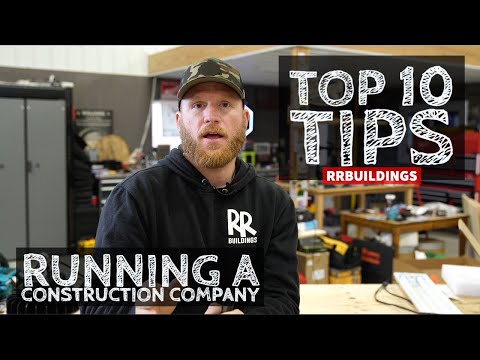
Blog posts, case studies, before-and-after project galleries, and educational video content all serve to position your company as the go-to authority in your niche. When a property developer reads a detailed article about “best practices for commercial foundation waterproofing,” they’re not just learning something valuable — they’re also forming a subconscious judgment about your competence and professionalism.
- Publish project case studies that include measurable outcomes, timelines, and budget details
- Create video walkthroughs of completed projects to showcase craftsmanship and attention to detail
- Develop downloadable resources like project checklists and cost estimation guides to capture email leads
- Share industry insights and trends to position your brand as a thought leader
Consistency matters far more than volume. A blog that publishes two thoroughly researched, genuinely helpful articles per month will outperform one that publishes fifteen shallow posts per week. Search engines reward depth, accuracy, and originality — not frequency alone.

Traditional Marketing Tactics Still Worth Investing In
Despite the digital shift, traditional construction marketing methods remain surprisingly effective — especially within local markets where reputation and personal relationships drive business decisions.
- Trade Show Booths and Industry Expos: Exhibiting at events like CONEXPO-CON/AGG or regional builder expos allows direct face-to-face engagement with architects, developers, and facility managers who are actively sourcing contractors.
- Vehicle Branding: Well-designed truck wraps and fleet markings function as 24/7 mobile billboards. Every time your crew drives through a job site or residential neighborhood, you’re reinforcing brand awareness in your service area.
- Referral Programs: Satisfied clients and past collaborators — architects, interior designers, real estate agents — are your most credible marketing ambassadors. Formalizing a referral incentive program turns happy customers into a consistent lead source.
- Local Sponsorships: Sponsoring community events, little league teams, or charitable organizations builds goodwill and keeps your company name visible among property owners and decision-makers in your area.
The most resilient construction companies don’t abandon traditional tactics when they go digital — they integrate them into a cohesive, omnichannel marketing ecosystem where each touchpoint reinforces the others.
Traditional vs. Digital: Comparing Marketing Channels for Contractors
Understanding where to allocate your marketing budget requires a clear comparison of the primary channel types available to construction companies today.
| Channel | Reach | Cost | Best For | ROI Timeline |
| SEO & Organic Content | Long-term, growing | Medium | Building sustainable authority | 6–12 months |
| Google Ads / PPC | Immediate, targeted | High | Quick lead generation | Immediate |
| Social Media | Broad, engagement-driven | Low to Medium | Brand awareness & credibility | 3–6 months |
| Trade Shows & Expos | Targeted, in-person | High | High-value B2B relationships | 1–3 months |
| Referral Programs | Limited but high-quality | Low | Repeat clients & warm leads | Ongoing |
| Vehicle Branding | Local, continuous | Medium (one-time) | Local awareness & trust | Ongoing |
This comparison table illustrates that no single channel delivers maximum results on its own. The most effective construction marketing strategies layer multiple channels together, using each one to reinforce the others and cover different stages of the client acquisition funnel.
Advanced Strategies for Scaling Your Construction Brand
Once you’ve established a solid foundation of digital presence and local reputation, it’s time to layer on advanced tactics that accelerate growth and give you a competitive edge.
Account-Based Marketing for Commercial Contractors
For firms that pursue large commercial and institutional projects, account-based marketing is a game-changer. Instead of casting a wide net, you identify high-value target organizations — school districts, hospital systems, real estate development firms — and create customized marketing campaigns tailored specifically to their needs, procurement cycles, and decision-makers.
This might involve producing case studies relevant to a specific developer’s project portfolio, attending their company events, or sending personalized proposals through LinkedIn outreach. The ROI on account-based marketing is often significantly higher than broad campaigns because you’re focusing your energy on accounts with the highest probability of conversion.
Email Marketing Nurture Sequences
Many construction companies collect email addresses through website lead forms or project inquiries but then fail to nurture those contacts over time. A well-structured email nurture sequence — delivering valuable content, project updates, and seasonal service reminders — keeps your company top-of-mind when the prospect is ready to make a decision.
Segmentation is critical here. A property owner researching a kitchen remodel needs different content than a commercial developer evaluating general contractors for a warehouse build. Tailoring your email sequences by segment dramatically improves open rates, click-through rates, and ultimately conversion rates.
Conclusion: Building Your Marketing Blueprint for Long-Term Growth
Construction marketing strategies aren’t a one-size-fits-all playbook — they’re a living, evolving system that should grow alongside your business, your reputation, and your market conditions. The companies that dominate their local markets aren’t necessarily the ones with the lowest prices or the biggest fleets. They’re the ones that invest consistently in visibility, credibility, and relationship-building across both digital and traditional channels. Start by auditing your current marketing efforts honestly, identify the gaps in your strategy, and prioritize the channels that align with your target clients’ buying behavior. Whether that means overhauling your website for SEO, investing in a professional photography portfolio for your best projects, or launching a structured referral program — the key is taking deliberate, consistent action. The construction industry rewards those who build strategically, and your marketing should be no different.
Frequently Asked Questions
What Are the Most Effective Construction Marketing Strategies for Small Contractors?
For small contractors, the highest-impact strategies typically include optimizing your Google Business Profile for local search, investing in a professional website with clear calls-to-action, actively requesting and managing online reviews from satisfied clients, and building a consistent referral program with architects and real estate agents. These tactics deliver strong returns without requiring a large marketing budget.
How Long Does It Take to See Results from Construction Marketing Efforts?
Digital marketing channels like SEO and content marketing typically take three to six months to show measurable results, while paid advertising like Google Ads can generate leads within days or weeks. Traditional methods such as trade show attendance and referral programs may produce results on a similar timeline depending on your market activity and relationship-building efforts. Patience and consistency are critical — most successful construction marketing campaigns compound in effectiveness over time.
Is Social Media Marketing Worth It for Construction Companies?
Yes, particularly on platforms like LinkedIn for B2B contractors and Instagram or Facebook for residential and remodeling firms. LinkedIn allows commercial contractors to connect with developers, architects, and project managers, while visual platforms like Instagram excel at showcasing before-and-after transformations and behind-the-scenes project progress. The key is choosing the platforms where your specific target audience spends their time and maintaining a consistent posting cadence.
How Should Construction Companies Measure Marketing ROI?
Track key metrics such as cost per lead, lead-to-client conversion rate, website traffic from organic search, click-through rates on paid ads, and the lifetime value of clients acquired through different channels. Setting up proper tracking with Google Analytics and call-tracking software gives you the data needed to calculate return on investment accurately and make informed decisions about where to allocate your marketing budget.