
Navigating the digital landscape requires more than just having a website; it demands a strategic approach to capturing attention in a crowded online marketplace. When you look at different types of internet advertising, the sheer variety can feel overwhelming, from search engine marketing to immersive video campaigns. However, understanding the core categories of digital advertising is the first step toward building a profitable online presence. Whether you are a small business owner just starting or a seasoned marketer refining your strategy, knowing which ad formats align with your goals can make the difference between wasted budget and exponential growth. This guide breaks down every major online advertising channel, providing practical insights to deploy campaigns that drive ROI.
Search Engine Marketing and Pay-Per-Click Advertising
Search engine marketing remains one of the most potent forms of digital advertising because it targets users actively looking for solutions. When a user types a query into Google or Bing, they are expressing intent, making SEM an incredibly efficient way to capture high-quality traffic.
How Search Ads Work
At its core, search advertising operates on a pay-per-click model where advertisers bid on specific keywords. Here is the basic workflow of a search campaign:
- Keyword Research: Identifying the terms your audience uses when searching for products or services.
- Ad Creation: Crafting compelling ad copy that aligns with search intent and includes a strong call-to-action.
- Bidding: Setting your maximum cost-per-click bid or opting for automated bidding strategies like target CPA.
- Landing Page Optimization: Ensuring the page users land on delivers exactly what the ad promised.
Expert tip: Always separate your search campaigns by intent—brand, exact match, and broad match modifiers—to maximize your quality score and lower your cost per acquisition.
Social Media Advertising Platforms and Strategies
Social media advertising has evolved from simple boosted posts into a sophisticated ecosystem of targeting, retargeting, and creative storytelling. Unlike search, where you catch users mid-intent, social platforms allow you to interrupt scrolling habits with visually appealing content that builds brand awareness before the purchase decision.
Choosing the Right Platform for Your Audience
Not every social network will yield the same results for your business. Here is a comparison of the major platforms and their ideal use cases:
| Platform | Primary Audience | Strongest Ad Format | Best Use Case |
| Facebook & Instagram | Millennials & Gen X | Carousel and Reels | E-commerce |
| B2B Professionals | Sponsored Content | Lead generation | |
| TikTok | Gen Z and Millennials | In-Feed Video | Viral challenges |
| Planners and Shoppers | Idea Pins | Home decor, fashion |
Pro tip: Use lookalike audiences to expand your reach beyond your current customer base. By uploading your email list to these platforms, the algorithm finds users with similar behaviors, dramatically improving your cost per lead.
Display Advertising and Programmatic Buying
Display advertising encompasses the visual banner, rich media, and text ads that appear across websites, apps, and email content. While often overlooked in favor of more direct response channels, display ads play a critical role in the upper funnel and retargeting strategies.
The Mechanics of Programmatic Display
Programmatic buying has revolutionized how display ads are purchased, replacing manual ad buys with automated real-time bidding. When a user loads a webpage, an auction happens in milliseconds to determine which ad is shown. This ensures advertisers only pay for relevant impressions.
- Retargeting Pixels: These small code snippets track users who visited your site but did not convert, allowing you to serve them dynamic ads later.
- Rich Media: Interactive ads that expand, hover, or include video to increase engagement rates.
- Native Display: Ads that match the visual design of the host website, reducing ad fatigue.
For intermediate marketers, setting a frequency cap is essential. Bombarding users with the same display ad can lead to banner blindness and wasted ad spend. Viewability metrics ensure your ads are actually seen by users rather than hidden below the fold.
Video Advertising: Pre-Roll, Mid-Roll, and Short-Form
Video content currently dominates digital advertising, capturing attention faster than any static medium. Video advertising isn’t just about creating pretty commercials; it requires an understanding of viewer psychology, especially when dealing with skippable formats.
YouTube, TikTok, and Connected TV Strategies
When planning your video ad strategy, consider the distinct advantages of each format:
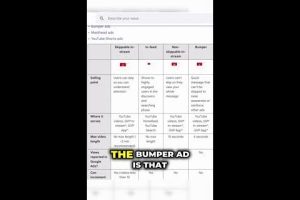
- Pre-Roll and Mid-Roll (YouTube): These in-stream ads can be skipped after five seconds, meaning you must hook the viewer immediately with a value proposition or curiosity gap.
- Short-Form Video (TikTok and Reels): Authentic, user-generated style content thrives here. Hard-sell ads often fail; instead, educational or entertaining hooks perform best.
- Connected TV (CTV): As cord-cutting rises, CTV allows you to run 15-to-30-second non-skippable ads on smart TVs, merging the impact of traditional TV with digital targeting precision.
Expert recommendation: Always include captions in your video ads. Over 80 percent of social media videos are watched without sound, rendering your message ineffective if it relies on audio.

Native Advertising and the Power of Influencers
Native advertising and influencer marketing blur the line between content and promotion, making them highly effective at circumventing ad blockers.
Seamlessly Blending Ads with Content
Native ads match the form and function of the platform they appear on. Whether it is a recommended article at the bottom of a blog or a sponsored post on an Instagram feed, the key is relevance. Influencer marketing takes this a step further by leveraging the trust and authority of content creators. Micro-influencers often deliver higher engagement rates and cheaper cost per acquisition than macro-influencers, making them ideal for niche B2C brands.
Practical tip: When working with influencers, always provide creative guidelines rather than rigid scripts. Audiences can spot overly scripted ads instantly; authenticity drives conversion in this space.
Email Advertising and List Monetization
While email marketing is often categorized as a direct marketing tool, it also functions as a powerful advertising channel. Sponsored email placements and newsletter advertising allow brands to reach highly engaged, permission-based audiences. Unlike social media algorithms that dictate reach, email ensures your message lands directly in the subscriber’s inbox.
Monetizing Your List or Buying Access
If you are building an email list, you can monetize it by offering sponsored sections within your newsletters. Conversely, if you are a brand looking to advertise, purchasing placements in niche newsletters provides access to laser-focused demographics with minimal friction. The ROI on email advertising consistently outperforms many other digital channels, often generating significant returns for every dollar spent.
Expert tip: Segment your email ad placements based on the reader’s behavior. A fintech newsletter reader expects different sponsors than a lifestyle newsletter subscriber.
Conclusion: Choosing Your Digital Advertising Mix
Mastering the different types of internet advertising requires patience, data analysis, and a willingness to test unconventional strategies. No single ad format works in isolation; the most successful campaigns leverage a multi-channel approach where search captures intent, social builds awareness, and display retargets lost leads. Start with one or two channels that align with your target audience, measure your cost per acquisition religiously, and scale what works. The digital advertising landscape will continue to evolve, but the fundamental principles of relevance, value, and audience understanding remain constant.
Frequently Asked Questions About Types of Internet Advertising
What is the most cost-effective type of internet advertising for beginners?
For beginners, search engine marketing and social media advertising are typically the most cost-effective because they allow you to set strict daily budgets and target users with high purchase intent. You can start with as little as five dollars a day and optimize based on real-time performance data.
How does native advertising differ from traditional display ads?
Native advertising matches the visual and functional design of the platform it appears on, whereas traditional display ads are distinct banner or box placements that stand out. Native ads tend to have higher engagement rates because they do not interrupt the user experience as abruptly.
Is email advertising still relevant in 2024?
Absolutely. Email advertising remains highly relevant because it offers direct, permission-based access to your audience. With the rise of sponsored newsletters and email placements, it continues to deliver exceptional ROI compared to other digital advertising formats.
What is programmatic buying in digital advertising?
Programmatic buying is the automated process of purchasing ad inventory through real-time bidding. It removes the manual negotiation of ad placements, allowing advertisers to target specific audiences across thousands of websites instantly and efficiently.
Should I focus on short-form or long-form video advertising?
This depends on your platform and audience. Short-form video like TikTok and Reels is excellent for awareness and engagement, while long-form video like YouTube pre-rolls works better for detailed product explanations and higher consideration purchases. Both formats have their place in a holistic video advertising strategy.