When you are building a brand or trying to scale a business, studying real-world business advertisement examples is one of the fastest ways to sharpen your marketing instincts. Generic advice about “just create great content” rarely moves the needle. But when you break down actual advertisement campaigns — the ones that generated millions in revenue, went viral, or fundamentally shifted consumer behavior — you start to see patterns, frameworks, and strategies that you can immediately apply to your own brand. Whether you are a startup founder testing your first paid campaign or a seasoned marketer refining your quarterly strategy, this guide walks you through proven advertisement examples, channels, and tactics that deliver measurable results.
Why Studying Business Advertisement Examples Works
The reason advertisement examples resonate so deeply is that they remove the guesswork. Instead of theorizing about what might work, you analyze what already did. Every successful campaign carries specific elements — a hook, a value proposition, a call to action, and a psychological trigger — that you can study and adapt. When you review business promotion examples side by side, you begin to recognize which creative choices drive clicks, which headlines convert, and which storytelling structures keep audiences engaged. This is how real expertise develops: by reverse-engineering results rather than guessing in the dark.
Top Business Advertisement Examples Across Different Channels
1. Video Advertisement Examples That Convert
Video remains the highest-engagement medium for most brands. One standout example is Airbnb’s “Live There” campaign, which shifted from property-focused messaging to experience-driven storytelling. The ads showed travelers living like locals rather than just visiting destinations. The result was a measurable lift in booking intent and brand perception. Another powerful video ad example comes from Apple’s “Shot on iPhone” series, which leveraged user-generated content to build authenticity at scale.
For businesses operating on tighter budgets, short-form video advertisements on platforms like TikTok and Instagram Reels have proven incredibly effective. Brands like Gymshark built entire growth engines around raw, relatable workout clips that felt more like content than traditional ads.
2. Social Media Ad Examples
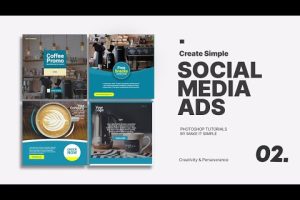
Social media advertising offers unmatched targeting precision. A classic example is Spotify Wrapped — Spotify turns user data into shareable, personalized annual ad campaigns that cost almost nothing to produce but generate billions of organic impressions. On the paid side, companies like Gymshark and Daniel Wellington mastered Facebook and Instagram ad creative by using influencer partnerships, carousel formats, and bold typography that stopped the scroll.
3. Print and Outdoor Advertisement Examples
Despite the digital shift, print and outdoor ads still command attention when done right. The De Beers “A Diamond is Forever” campaign from the 1940s remains one of the most studied advertisement examples in history. It created an entirely new cultural expectation around engagement rings. More recently, Coca-Cola’s interactive vending machines and IKEA’s clever outdoor billboards demonstrate that physical advertising still has enormous power when it combines surprise, utility, or emotional resonance.
4. Email Marketing Advertisement Examples
Email is often overlooked, but brands like Netflix and Amazon use it as a powerful advertising channel. Netflix’s personalized recommendation emails and Amazon’s abandoned cart reminders are textbook examples of advertising that feels helpful rather than intrusive. The key is relevance — when your ad matches what the user already wants, conversion rates climb dramatically.
How to Choose the Right Advertisement Format for Your Business
Choosing the right format depends on your audience, budget, and marketing goals. Here are practical guidelines to help you decide:
- Video ads work best for building brand awareness and explaining complex products or services.
- Social media ads excel at driving engagement, retargeting website visitors, and generating leads.
- Search ads (PPC) are ideal for capturing high-intent customers who are actively looking for solutions.
- Print and outdoor ads create broad brand recognition in local or niche markets.
- Email campaigns are unmatched for nurturing existing leads and driving repeat purchases.
The most effective marketers rarely rely on a single format. They build multi-channel campaigns where each format reinforces the others, creating a cohesive brand experience at every touchpoint.
Comparing Advertisement Channels: A Quick Reference
Below is a comparison table to help you evaluate different advertising channels based on key performance factors:
| Channel | Best For | Average ROI | Learning Curve |
| Video Ads | Brand awareness, storytelling | High | Medium |
| Social Media Ads | Lead generation, engagement | High | Low to Medium |
| Search (PPC) Ads | High-intent conversions | Very High | Medium |
| Print / Outdoor | Local brand recognition | Moderate | Low |
| Email Marketing | Customer retention, repeat sales | Very High | Low |
| Influencer Collaborations | Trust-building, niche audiences | High | Low |
Expert Tips to Make Your Ads Stand Out
Studying business advertising examples gives you the blueprint, but execution is where the magic happens. Here are expert-level recommendations that separate average campaigns from exceptional ones:
- Lead with a bold hook. You have approximately 1.5 seconds to grab attention in digital advertising. Your first frame, headline, or visual must create an immediate curiosity gap or emotional response.
- Focus on one message per ad. The best ad examples — like Nike’s “Just Do It” — communicate a single, powerful idea. Do not try to sell, entertain, and educate all at once.
- Use social proof relentlessly. Testimonials, user counts, and trust badges increase credibility and reduce perceived risk for potential customers.
- Test creative variations aggressively. A/B testing ad copy, images, and calls to action is non-negotiable. Even small changes in wording can double your click-through rates.
- Align your ad with the landing page. Consistency between what the user sees in the ad and what they experience on the landing page dramatically reduces bounce rates and increases conversions.
Common Mistakes to Avoid When Studying Ad Examples
One trap many marketers fall into is copying the surface-level elements of a successful ad without understanding the underlying strategy. For instance, a brand might mimic a viral video ad’s format but fail to replicate the emotional storytelling or audience targeting that made it work. Another common mistake is ignoring the context in which an ad ran — a campaign that succeeded in 2022 may not work the same way in 2024 due to platform algorithm changes and shifting consumer behavior.
Always analyze advertisement examples through the lens of strategy, audience, and timing — not just creative aesthetics. That deeper analysis is what transforms passive viewing into actionable insight.
Final Thoughts on Leveraging Business Ad Examples
The most successful brands in the world did not stumble into their advertising strategies. They studied what worked, adapted proven frameworks, and continuously optimized based on real data. Whether you are drawn to video marketing, social media campaigns, email sequences, or traditional print, there is no shortage of powerful business advertisement examples to learn from. The key is to move from inspiration to action — take the principles behind these campaigns, tailor them to your unique audience, and start testing relentlessly. Your next breakthrough campaign could be one creative iteration away.

Frequently Asked Questions
1. What are the best free sources to find business advertisement examples?
Platforms like Adweek, HubSpot’s Ad Library, and the Facebook Ad Library offer extensive collections of real-world advertisement examples that you can study for free. These resources provide creative samples across industries and channels, making them invaluable for marketers at every skill level.
2. How can small businesses use advertisement examples to improve their campaigns?
Small businesses should focus on analyzing campaigns from companies with similar budgets and target audiences. Look for patterns in messaging, visual style, and call-to-action placement. Then adapt those patterns to fit your brand voice and local market, starting with one channel and scaling as you gather data.
3. Which business advertisement example format delivers the highest conversion rates?
Search engine ads (PPC) and retargeting video ads consistently deliver the highest conversion rates because they target users with active intent. However, the best format ultimately depends on your specific audience and where they spend most of their time online.
4. How often should I update my ad creative based on new examples?
Marketing experts recommend refreshing ad creative every 4 to 6 weeks to combat audience fatigue and maintain strong engagement metrics. Monitoring your click-through and conversion rates will help you identify the right timing for creative updates in your specific campaigns.
5. Can studying competitor advertisement examples improve my own strategy?
Absolutely. Competitive ad analysis is a core component of strategic marketing. By studying what your competitors are doing — their messaging angles, creative formats, and promotional offers — you can identify gaps in the market and differentiate your own campaigns more effectively.