


In today’s digital advertising ecosystem, consumers are more skeptical than ever about the content they see online. Every day, billions of ads are served across search engines, social media platforms, websites, and mobile apps — many of them targeting users based on deeply personal data. This reality has fueled a growing demand for ad transparency, a movement that seeks to make the who, what, why, and how of digital advertising completely visible to the public. Whether you are a marketer running campaigns, a consumer trying to understand why a particular ad follows you across the web, or a regulator crafting policy, understanding ad transparency is no longer optional — it is essential.
What Is Ad Transparency and Why It Matters
Ad transparency refers to the practice of making information about digital advertisements publicly accessible and clearly disclosed. This includes details such as who paid for the ad, how much was spent, who the target audience was, what creative assets were used, and what data was leveraged to deliver the message. At its core, ad transparency answers three fundamental questions: who is behind the ad, what is the ad saying, and why am I seeing it?
The importance of ad transparency cannot be overstated. For consumers, it empowers informed decision-making and builds trust in the brands they interact with. For advertisers, it enhances credibility and differentiates ethical brands from those willing to manipulate. For regulators and policymakers, it provides the visibility needed to enforce fair advertising practices and protect vulnerable populations.
Several major forces are driving the ad transparency movement forward:
- Growing public awareness of data privacy concerns
- Increased regulation around political and issue-based advertising
- The rise of misinformation and deceptive ad practices
- Platform-level initiatives like Meta Ad Library and Google Ad Transparency Center
- Consumer demand for authentic and accountable marketing
How Ad Transparency Works: The Core Mechanisms
Understanding how ad transparency actually functions in practice requires looking at the systems and standards that have been developed to make advertising more visible. These mechanisms vary by platform and region, but they share a common goal: making the advertising process as open as possible.
Ad Libraries and Public Ad Archives
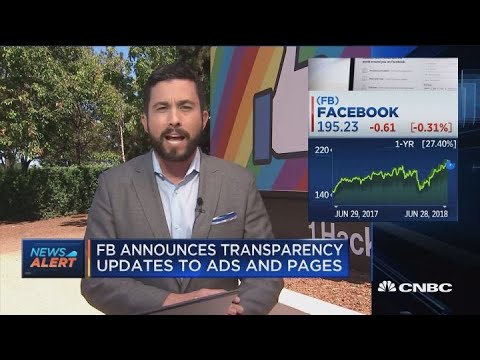
One of the most visible tools in the ad transparency landscape is the public ad library. Platforms like Facebook, Google, X (formerly Twitter), and TikTok now maintain searchable repositories of active and archived advertisements. These libraries allow anyone to look up campaigns by advertiser name, topic, or geographic region.
Here is what a typical ad library entry reveals:
- The advertiser’s name and identity
- The date range the ad was active
- The total spend or impressions
- The targeting criteria used (demographics, interests, behaviors)
- The ad creative itself (images, video, copy)
- Any paid amplification or boosted reach metrics
These archives serve as a powerful accountability mechanism. When a political campaign runs an ad, for example, the public can verify who funded it, what claims it makes, and who it was designed to reach. This level of visibility was virtually nonexistent before the ad transparency movement gained momentum.
Disclosure Requirements and Labeling Standards
Beyond ad libraries, regulatory bodies around the world are implementing mandatory disclosure requirements. The European Union’s Digital Services Act (DSA) and the United States’ evolving advertising disclosure frameworks are pushing platforms to be more forthcoming about how ads are targeted and funded. Many jurisdictions now require that paid content be clearly labeled as “sponsored” or “paid partnership,” ensuring users can distinguish organic content from paid promotions.
Why Ad Transparency Is Critical for Consumers and Businesses
The benefits of ad transparency extend across multiple stakeholders, each with distinct but interconnected needs.
Building Trust with Audiences

Consumers increasingly expect brands to be upfront about how they collect and use data. Research consistently shows that transparent advertising practices lead to higher consumer trust, stronger brand loyalty, and improved conversion rates. When a business openly explains why an ad is being shown, the audience is more likely to engage positively rather than feel surveilled or manipulated.
Combating Misinformation and Manipulation
Without ad transparency, bad actors can run deceptive campaigns that spread misinformation, promote harmful products, or exploit vulnerable demographics — all without public scrutiny. Ad transparency tools make it significantly harder for such actors to operate in the shadows. When ad spend, targeting criteria, and creative content are publicly visible, the opportunity for manipulation shrinks dramatically.
Leveling the Competitive Playing Field
Ad transparency also benefits ethical advertisers. When all campaigns are subject to the same disclosure standards, businesses that invest in honest, high-quality advertising gain a competitive advantage over those that rely on deceptive or manipulative tactics. Transparency becomes a brand differentiator in its own right.
Ad Transparency Platforms and Tools
A growing ecosystem of tools and platforms has emerged to support ad transparency at scale. These tools help advertisers audit their own practices, assist researchers in studying advertising trends, and enable regulators to monitor compliance.
The following table compares some of the leading ad transparency resources available today:
| Platform/Tool | Key Features | Best For |
| Meta Ad Library | Searchable archive of Facebook and Instagram ads, political ad disclosures, real-time updates | Political ad tracking and social media auditing |
| Google Ads Transparency Center | Searchable database of Google ads, advertiser identity verification, policy enforcement data | Search and display ad research |
| Ad Observatory (Mozilla) | Crowdsourced ad data collection, targeting analysis, research-grade datasets | Academic research and independent auditing |
| Political Ad Collector | Browser extension that captures political ads in users’ feeds | Consumer-level ad tracking |
| Open Secrets / Ad Watchers | Federal ad spending data, regulatory filing insights | Regulatory and compliance monitoring |
Each tool serves a slightly different purpose, and the most effective approach is to use a combination of them. For marketers and compliance teams, regularly auditing ads across multiple platforms ensures that transparency standards are being met consistently.
Best Practices for Implementing Ad Transparency
Whether you are a brand, an agency, or a platform operator, there are practical steps you can take to strengthen your ad transparency efforts. These recommendations apply across the spectrum from beginner-level awareness to advanced strategic implementation.
1. Disclose Paid Partnerships Clearly
Always label sponsored content, influencer partnerships, and paid promotions according to the guidelines set by the FTC and relevant regulatory bodies. Ambiguity erodes trust and can lead to legal consequences.
2. Maintain a Public Ad Library Presence
If your brand runs political, issue-based, or high-profile campaigns, ensure your ads are accessible through platform ad libraries. Proactively publishing this information demonstrates accountability.
3. Audit Your Targeting Practices Regularly
Review the targeting criteria used in your campaigns. Ensure that audiences are not being segmented in ways that could be considered discriminatory or manipulative. Many platforms now provide audience insights reports that make this audit straightforward.
4. Invest in Ad Verification Technology
Use third-party ad verification tools to confirm that your ads are being displayed in appropriate environments and that the delivery data is accurate. Tools like IAS, DoubleVerify, and MOAT provide transparency into where and how ads appear.
5. Stay Ahead of Regulatory Changes
Ad transparency regulations are evolving rapidly. The DSA in Europe, the Honest Ads Act proposals in the United States, and similar initiatives in Asia-Pacific and Latin America are reshaping the landscape. Staying informed and proactive is critical to maintaining compliance and consumer trust.
6. Educate Your Team
Ensure that your marketing, legal, and compliance teams understand ad transparency requirements. Regular training sessions and updated internal playbooks help embed transparency into your organizational culture rather than treating it as an afterthought.
The Future of Ad Transparency
The ad transparency landscape is evolving quickly. Several trends are likely to shape its future over the coming years. First, artificial intelligence-generated ads are creating new challenges around disclosure — when an ad is created or optimized by an AI system, consumers deserve to know. Second, cross-platform ad tracking is coming under increasing scrutiny, with regulators pushing for unified transparency standards that apply across Google, Meta, TikTok, and beyond. Third, consumer-facing transparency dashboards — tools that let individual users see exactly why they are being served a particular ad — are becoming more common and more expected.
Brands that embrace these changes early will be better positioned to build lasting trust and maintain regulatory compliance. Ad transparency is not a passing trend; it is a fundamental shift in how digital advertising is expected to operate.
Frequently Asked Questions About Ad Transparency
For everyday users, ad transparency means having access to information about why they are seeing a specific ad, who paid for it, and what data was used to target them. Platforms like Meta and Google now provide ad libraries where users can search for and view active campaigns, giving them greater control and awareness of the advertising content they encounter daily.
How does ad transparency help combat digital advertising fraud?
Ad transparency helps combat fraud by making ad spend, placement data, and campaign details publicly accessible. When advertisers, researchers, and regulators can audit these details, it becomes significantly harder for bad actors to run fraudulent campaigns, inflate impressions, or engage in ad stacking and domain spoofing without detection.
Are there legal requirements for ad transparency in different countries?
Yes, ad transparency legal requirements vary by country but are expanding rapidly. The European Union’s Digital Services Act mandates detailed transparency for political and issue-based ads. The United States has FTC guidelines requiring clear sponsorship disclosures, and several states are introducing their own advertising accountability laws. In many regions, failure to comply with transparency requirements can result in significant fines.
What is the difference between ad transparency and ad privacy?
Ad transparency focuses on making advertising practices visible and understandable to the public, including who runs ads and how they are targeted. Ad privacy, on the other hand, focuses on protecting user data and controlling how personal information is collected, stored, and used. While the two concepts are related and often overlap, they address different aspects of the digital advertising experience.
Can small businesses benefit from ad transparency practices?
Absolutely. Small businesses that adopt transparent advertising practices often see higher trust scores, better customer engagement, and improved conversion rates. Simple steps like clearly labeling sponsored content, maintaining an honest ad library presence, and being upfront about targeting criteria can set small brands apart from competitors and build long-term customer loyalty.
Conclusion
Ad transparency is transforming the digital advertising landscape from the inside out. What was once a murky, opaque process dominated by hidden targeting and undisclosed sponsorships is now becoming a more open, accountable, and trustworthy ecosystem. For consumers, this means greater control and understanding of the ads they see. For advertisers, it means an opportunity to build deeper trust and demonstrate ethical marketing practices. For regulators, it provides the oversight necessary to protect public interest in an increasingly complex digital environment. By embracing ad transparency — through ad libraries, disclosure practices, verification tools, and a genuine commitment to openness — stakeholders across the entire advertising ecosystem can create a healthier, more sustainable future for digital marketing.