


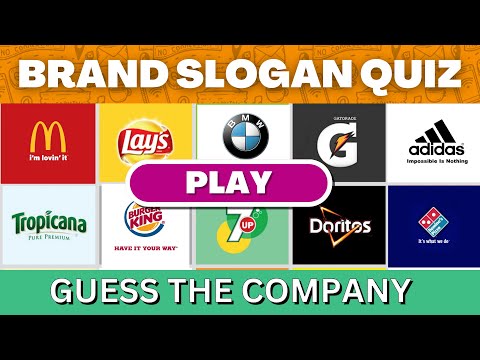
Advertising phrases slogans are far more than catchy one-liners — they are the backbone of brand identity and the emotional shorthand that connects companies with their audiences. Whether you are a startup founder crafting your first tagline or a marketing director refining a global campaign, understanding the anatomy of a powerful slogan can mean the difference between a forgotten message and a cultural phenomenon. In this guide, we break down everything you need to know about writing, selecting, and optimizing advertising slogans that actually convert.
What Are Advertising Phrases and Slogans?
Advertising slogans — sometimes called taglines, brand lines, or campaign phrases — are short, memorable statements designed to encapsulate a brand’s promise, value, or personality. They appear on billboards, television commercials, social media posts, packaging, and website headers. Unlike a brand name, which identifies the company, a slogan communicates the reason to believe behind that name. Think of Nike’s “Just Do It” or Apple’s “Think Different” — these phrases do not sell a product directly; they sell a feeling, an identity, and a sense of belonging.
In marketing terminology, slogans fall into two broad categories: brand slogans, which stay consistent across campaigns, and campaign slogans, which are temporary and tied to specific promotions. Both serve distinct purposes, and knowing when to use each is essential for building cohesive brand messaging.
Why Slogans Matter in Brand Communication
The power of a well-crafted slogan lies in its ability to compress complex brand values into a single, digestible phrase. Research in consumer psychology shows that repeated exposure to a concise, emotionally resonant message significantly increases brand recall. Here is why slogans deserve serious attention in your marketing strategy:
- Instant Recognition: A memorable phrase acts as a mental shortcut, helping consumers identify your brand within seconds.
- Emotional Connection: Great slogans trigger feelings — trust, excitement, aspiration — that rational product descriptions often cannot.
- Competitive Differentiation: In crowded markets, a unique slogan separates you from competitors who may offer similar products.
- Cross-Platform Consistency: A strong slogan works equally well on a billboard, a tweet, or a landing page.
The Psychology Behind Memorable Slogans
Cognitive science tells us that the human brain prefers brevity, rhythm, and pattern. Advertising phrases that use rhyme, alliteration, or parallel structure are significantly easier to recall. This is why phrases like “Melts in your mouth, not in your hands” (M&M’s) or “The ultimate driving machine” (BMW) have endured for decades. The brain stores these as mnemonic devices, retrieving them effortlessly when a purchasing decision arises.
Characteristics of High-Performing Advertising Slogans
Not every catchy phrase makes a great slogan. The best ones share several defining traits that marketers can study and replicate:
- Simplicity: Short slogans — ideally under seven words — are easier to remember and repeat.
- Uniqueness: A slogan must feel distinct and ownable, avoiding clichés that blend into the noise.
- Relevance: The phrase must accurately reflect the brand’s promise and resonate with the target audience.
- Emotional Payoff: Whether it inspires, reassures, or amuses, the slogan must deliver a feeling.
- Versatility: The best slogans adapt to different contexts without losing their meaning or impact.
Famous Advertising Slogans That Defined Brands
Studying iconic slogans provides invaluable insight into what makes taglines work. Below is a comparison of some of the most celebrated advertising phrases in history, highlighting why each succeeded:
| Brand | Slogan | Why It Works |
| Nike | “Just Do It” | Short, action-oriented, universally motivational |
| De Beers | “A Diamond Is Forever” | Creates an emotional, timeless association |
| L’Oréal | “Because You’re Worth It” | Empowers the consumer with personal value |
| M&Ms | “Melts in Your Mouth, Not in Your Hands” | Descriptive, rhythmic, solves a consumer pain point |
| Volvo | “For Life” | Signals safety and longevity succinctly |
Notice a pattern? Every single one of these slogans communicates a core brand promise in plain language without unnecessary complexity. That is the gold standard you should aim for.
How to Create Your Own Powerful Slogan
Writing an effective slogan requires a blend of creativity, strategy, and testing. Follow this step-by-step process to develop phrases that stick:
Step 1: Define Your Brand Essence
Before you write a single word, clarify what your brand stands for. What is your unique value proposition? Who is your ideal customer? What emotion should your brand evoke? Answering these questions provides the foundation for every slogan you craft.
Step 2: Brainstorm Without Limits
Generate as many variations as possible. Do not filter yourself during this phase — quantity breeds quality. Write down every phrase that comes to mind, even if it sounds awkward at first. Many breakthrough slogans emerge from unexpected combinations.
Step 3: Refine and Shorten
Review your list and eliminate anything longer than seven words. Remove jargon, vague claims, and overused phrases. The strongest slogans feel effortless, as though they have always existed.
Step 4: Test with Your Audience
Share your top candidates with real consumers or use A/B testing tools to measure recall and emotional response. A slogan that resonates internally may fall flat with your target market, so external validation is critical.
Slogan Best Practices for Different Marketing Channels
The way you deploy your advertising phrases slogans shifts depending on the channel. Here are tailored recommendations for the most common platforms:
- Social Media: Keep slogans under five words. Platforms like Instagram and TikTok reward brevity and visual pairing.
- Print and Outdoor Advertising: Slightly longer slogans work when supported by strong imagery. Give the reader a reason to pause.
- Television and Video Ads: Place the slogan at the end for maximum retention. Pair it with a call to action for immediate response.
- Email Marketing: Use your slogan in subject lines to reinforce brand consistency and improve open rates.
Common Mistakes to Avoid When Writing Slogans
Even experienced marketers fall into traps when developing advertising taglines. Here are the most frequent pitfalls to watch out for:
- Being Too Generic: Phrases like “The best in quality” communicate nothing unique and get instantly forgotten.
- Overcomplicating: Long, convoluted sentences defeat the purpose of a slogan, which is instant comprehension.
- Chasing Trends: Slang and trendy language may feel relevant today but will age poorly. Aim for timelessness.
- Ignoring Cultural Context: A slogan that works in one market may carry unintended meanings in another. Always localize and test internationally.
- Sacrificing Clarity for Cleverness: If your audience has to decode the meaning, the slogan has already failed.
Measuring the Effectiveness of Your Slogan
Once your slogan is live, you need to track its performance. Key metrics include brand recall rate, message association, and customer sentiment. Surveys and focus groups can reveal whether consumers connect with the phrase the way you intended. Digital tools like social listening platforms also track how often your slogan is mentioned organically, providing a real-world indicator of its cultural impact.
Expert Tips for Long-Term Slogan Success
If you want your advertising phrases slogans to stand the test of time, consider these expert recommendations:

- Invest in trademark research before finalizing any slogan to protect your intellectual property.
- Revisit your slogan every three to five years to ensure it still aligns with your evolving brand strategy.
- Use the slogan consistently across all touchpoints — inconsistency dilutes recognition.
- Pair your slogan with a strong visual identity for maximum memorability.
- Never change a winning slogan just because you feel like refreshing your brand; consumers value familiarity.
Conclusion
Advertising phrases slogans are one of the most powerful tools in a marketer’s arsenal. They distill brand identity into words that linger in the minds of consumers long after an ad ends. By understanding the psychology behind memorable phrases, following a structured creation process, avoiding common pitfalls, and measuring real-world performance, you can develop slogans that do more than sound good — they drive results. The next time you sit down to craft a tagline, remember: the best slogans are simple, emotional, and unmistakably true to the brand they represent.
FAQs About Advertising Phrases Slogans
What makes an advertising slogan effective for SEO and digital marketing?
An effective advertising slogan boosts SEO and digital marketing by being short, brand-specific, and emotionally resonant. When used consistently in meta descriptions, ad copy, and social bios, it reinforces brand authority and improves click-through rates. Search engines also reward brands with strong, recognizable messaging because users engage more with familiar, trustworthy content.
How long should a brand slogan be to maximize recall?
Research consistently shows that slogans between three and five words achieve the highest recall rates. However, slightly longer phrases up to seven words can work if they are rhythmic or use descriptive language. The key is brevity paired with clarity — every word must earn its place in the phrase.
Can a slogan be changed after it has been established in the market?
Yes, but changing an established slogan carries risks. Companies like Pepsi and Burger King have successfully refreshed their taglines, but they did so with extensive testing and clear strategic reasons. If your current slogan no longer reflects your brand promise or fails to resonate with your evolving audience, a change may be warranted — just ensure you communicate the shift clearly to avoid customer confusion.
What is the difference between a slogan, a tagline, and a campaign phrase?
A slogan is a permanent brand phrase that defines identity. A tagline is often used interchangeably but can be slightly longer or more descriptive. A campaign phrase is temporary, created for a specific promotion or product launch. Understanding this distinction helps marketers deploy the right type of phrase at the right time across their marketing strategy.

How do you protect a slogan from being copied by competitors?
To protect your advertising slogan, file for trademark registration with your country’s intellectual property office. Ensure the phrase is distinctive and not merely descriptive, as generic phrases typically do not qualify for trademark protection. Consulting an intellectual property attorney during the slogan development process is a smart preventive step.