Understanding the advertisements definition is essential for anyone navigating the modern business landscape, whether you are a marketing student, a small business owner, or a curious consumer. At its core, advertisements definition refers to paid, publicly communicated messages designed to promote a product, service, brand, or idea to a specific audience. But there is far more depth to this concept than meets the eye. From the earliest forms of print signage to the hyper-targeted digital campaigns running across social media feeds today, the meaning of advertisement has evolved dramatically. This comprehensive guide dives deep into the advertisements definition, explores the various types, explains how they function, and provides actionable insights for both beginners and seasoned marketers looking to sharpen their strategy.

What Is the Definition of Advertisements?
The advertisements definition in marketing terms describes a form of communication used to persuade or inform an audience about a particular offering. When you search for what is the definition of advertisements, most sources point to a paid message delivered through a controlled channel by an identified sponsor. This distinguishes advertisements from other marketing tools like public relations, organic content, or earned media. The advertisement meaning centers on intentionality, payment, and reach. An advertisement is not an accidental mention or a word-of-mouth recommendation — it is a deliberate, funded effort to capture attention and drive a specific action, whether that action is a purchase, a click, a sign-up, or simply brand awareness.
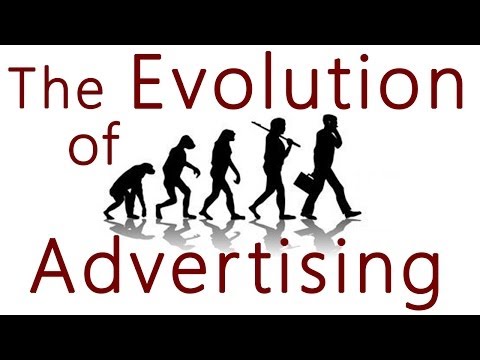
The meaning of advertisement has expanded significantly over the decades. Originally, the term was closely tied to print media, billboards, and broadcast television. Today, the advertisement definition encompasses digital display banners, video pre-rolls, influencer sponsored posts, search engine listings, and even immersive augmented reality experiences. Understanding this breadth is critical because it shapes how businesses allocate their budgets and craft their messaging strategies.
Breaking Down the Advertisement Definition Into Core Components
To fully grasp the advertisements definition, it helps to dissect it into its fundamental building blocks. Every advertisement, regardless of the medium, contains several key elements:
- Sponsor Identification: The entity or brand paying for the message must be clearly identifiable.
- Paid Placement: The message occupies space or time that was purchased, distinguishing it from organic content.
- Target Audience: Advertisements are crafted with a specific demographic or psychographic profile in mind.
- Call to Action: Most advertisements aim to provoke a response, whether immediate or delayed.
- Creative Execution: The visual, textual, or audio elements that deliver the message in a compelling way.
These five components form the backbone of the advertisement definition and are what separate a true advertisement from editorial content, news coverage, or personal recommendations. When these elements align effectively, the advertisement becomes a powerful driver of consumer behavior.
Types of Advertisements: From Traditional to Digital
The advertisements definition spans a remarkably wide range of formats. Understanding the different types of advertisements helps businesses choose the right channels and creative strategies for their goals. Here is a breakdown of the most significant categories.
Traditional Advertisements
Traditional advertising refers to the offline formats that dominated the industry for most of the 20th century. These include:
- Print Advertisements: Found in newspapers, magazines, brochures, and flyers. These remain relevant in niche markets and local publications.
- Broadcast Advertisements: Television and radio commercials that reach mass audiences during programming breaks.
- Outdoor Advertisements: Billboards, transit ads, and posters placed in high-traffic public spaces.
- Direct Mail: Physical mailers, catalogs, and postcards sent directly to consumer households.
Digital Advertisements
The digital revolution introduced entirely new formats that now dominate the advertising landscape. These include search engine marketing, display advertising, social media ads, video pre-rolls, native advertising, and email marketing campaigns. The definition of advertisements in the digital age emphasizes targeting precision, real-time analytics, and interactive engagement.
| Category | Traditional Ads | Digital Ads |
| Targeting Precision | Broad demographic targeting | Granular behavioral and interest-based targeting |
| Cost Model | Flat-rate placement fees | Pay-per-click, pay-per-impression, or performance-based |
| Measurability | Estimated reach and impressions | Real-time analytics and detailed conversion tracking |
| Interactivity | Limited to visual or audio appeal | Clickable, immersive, and multi-sensory experiences |
| Distribution Speed | Days to weeks for placement | Instant deployment and scaling |
| Audience Reach | Geographically constrained | Global reach with localized customization |
As the table illustrates, the modern advertisements definition leans heavily toward digital formats, though traditional channels continue to play a complementary role in integrated marketing strategies.
Why Advertisements Matter for Businesses and Brands
The advertisements definition would be incomplete without understanding the strategic purpose they serve. Advertising is not merely about spreading a message — it is about achieving specific business objectives in a measurable way. Here are the primary reasons advertisements remain indispensable.
Brand Awareness and Recall: Consistent advertising exposure builds top-of-mind awareness. When consumers think of a category, a well-advertised brand is the first that comes to mind. This is especially true for new market entrants competing against established players.
Demand Generation: Advertisements stimulate demand by introducing consumers to products or solutions they may not have known existed. This is particularly powerful in industries with high innovation cycles, where consumers need education alongside persuasion.
Competitive Differentiation: Through creative messaging and strategic positioning, advertisements help brands carve out a distinct identity in crowded markets. The advertisement meaning extends beyond the product itself to encompass the emotions, values, and lifestyle associations attached to the brand.
Revenue Growth and ROI: When executed correctly, advertisements deliver a measurable return on investment. Digital platforms, in particular, allow advertisers to optimize campaigns in real time, ensuring that every dollar spent contributes toward tangible business outcomes.
How Advertisements Work: The Core Mechanics
The advertisement definition involves a process that connects advertisers with consumers through carefully orchestrated channels. The mechanics typically follow a structured workflow:

- Objective Setting: The advertiser defines clear goals — whether it is lead generation, sales conversion, app downloads, or brand sentiment improvement.
- Audience Research: Detailed profiling of the target audience ensures the message reaches the right people at the right time.
- Creative Development: Designers, copywriters, and strategists collaborate to produce compelling content that aligns with the brand voice and campaign objectives.
- Channel Selection: The advertiser chooses platforms where the target audience spends the most time, whether that is Google Search, Instagram, programmatic display networks, or linear television.
- Campaign Launch and Monitoring: The advertisement goes live, and performance metrics are tracked continuously to identify optimization opportunities.
- Analysis and Iteration: Post-campaign analysis informs future strategies, creating a cycle of continuous improvement.
This process underscores the advertisements definition as a dynamic, data-driven discipline rather than a static creative exercise. The definition of advertisements in practice is always evolving based on performance feedback and market conditions.

Expert Tips for Creating Effective Advertisements
Even with a clear understanding of the advertisements definition, execution makes or breaks a campaign. Here are proven strategies that experienced marketers rely on to maximize impact.
- Lead with a Strong Value Proposition: Your advertisement must answer one question instantly — what is in it for the consumer? Clarity beats cleverness every time.
- Use Storytelling Over Features: People remember stories far better than bullet points of specifications. Weave narrative into your ad creative to forge emotional connections.
- Test Multiple Variations: A/B testing headlines, images, and calls to action reveals what resonates best with your specific audience. The advertisement meaning shifts when you let data guide creative decisions.
- Optimize for Mobile First: The majority of digital ad impressions now occur on mobile devices. Ensure your creatives load quickly, look clean on small screens, and are thumb-friendly.
- Align Ad Messaging with Landing Page Experience: A disconnect between what your advertisement promises and what the landing page delivers kills conversion rates instantly.
- Respect Audience Attention Spans: In the first three seconds, you must capture interest or lose the viewer forever. Front-load the most compelling element of your message.
Frequently Asked Questions About Advertisements
What is the advertisements definition in simple terms?
The advertisements definition in simple terms is a paid form of communication that promotes a product, service, or idea to a targeted audience through a specific medium. It is distinguished from organic content by its sponsored nature and intentional persuasive purpose.
How does the advertisement definition differ from marketing?
While marketing encompasses the entire process of identifying, anticipating, and satisfying customer needs, the advertisement definition refers specifically to the paid communication component within that broader process. Marketing includes research, pricing, distribution, and sales strategy, whereas advertising focuses on message delivery and audience persuasion.
What are the most effective types of advertisements for small businesses?
Small businesses often achieve the best results with a combination of social media advertising, search engine marketing, and local display ads. These channels offer affordable entry points, precise targeting capabilities, and measurable performance — all of which align with the practical needs of budget-conscious advertisers.
Can the advertisements definition apply to non-commercial purposes?
Yes. The advertisements definition extends beyond commerce to include public service announcements, political campaigns, nonprofit fundraising appeals, and awareness drives. Any paid communication designed to influence audience behavior falls within this scope.
Why is understanding the advertisement meaning important for digital marketers?
Digital marketing relies heavily on paid promotion across platforms like Google, Meta, TikTok, and programmatic networks. Without a firm grasp of the advertisement meaning and its mechanics, marketers cannot effectively plan budgets, target audiences, craft compelling creatives, or measure return on ad spend with confidence.
What role does the definition of advertisements play in brand strategy?
The definition of advertisements positions paid communication as a foundational pillar of brand strategy. It ensures that brands maintain a consistent, visible presence in the market, cut through competitive noise, and systematically guide prospects along the customer journey from awareness to purchase and loyalty.
Conclusion
The advertisements definition is far more than a simple dictionary entry — it represents a dynamic, evolving discipline that sits at the intersection of creativity, strategy, data science, and consumer psychology. From the earliest print posters to today’s algorithmically optimized digital campaigns, the core purpose remains unchanged: to deliver a paid message to the right audience at the right time and inspire meaningful action. Whether you are just beginning to explore the world of advertising or looking to refine an existing strategy, grounding your approach in a thorough understanding of the advertisements definition will set you apart. Focus on clarity, test relentlessly, respect your audience’s attention, and let data guide every creative and strategic decision. The brands that master this balance do not just run ads — they build lasting connections and sustainable growth.