When you scroll through social media, flip through a magazine, or walk past a billboard on your morning commute, you’re encountering one of the most powerful forces in modern commerce — the advertisement. But what is an advertisement exactly, and why has it remained a cornerstone of business strategy for centuries? At its core, an advertisement is a paid, public message designed to promote a product, service, idea, or brand to a specific audience. Yet the reality is far more layered. Advertising shapes consumer behavior, drives economic growth, and builds the cultural narratives we live alongside every single day. Whether you’re a small business owner exploring your first ad campaign, a marketing professional refining your strategy, or simply a curious learner, understanding the mechanics, types, and psychology behind advertising gives you a serious edge. This guide breaks down everything from foundational definitions to advanced tactics, ensuring you walk away with genuinely actionable knowledge.
What Is an Advertisement? A Clear and Comprehensive Definition

Defining Advertising in Modern Context
An advertisement — often shortened to “ad” — is any paid communication delivered through a medium (print, broadcast, digital, outdoor, or otherwise) intended to inform, persuade, or remind a target audience about something. That “something” could be a product launch, a seasonal sale, a political campaign, or even a public health message. The critical word here is paid. This distinguishes advertising from organic content like word-of-mouth or editorial coverage. Advertising is also inherently public, meaning it reaches a broad or deliberately segmented audience rather than a single individual.
In marketing terminology, advertising sits under the broader umbrella of promotional mix or the “4 Ps” of marketing — Product, Price, Place, and Promotion. It works alongside public relations, sales promotion, personal selling, and direct marketing to create a cohesive brand presence.
Why Understanding This Concept Matters
Grasping what advertising really is — beyond surface-level definitions — matters because it impacts how you consume media, how businesses allocate budgets, and how economies function. Global advertising spend surpassed $700 billion in recent years, reflecting its central role in capitalism and consumer culture. When you understand the mechanisms behind ads, you become a more informed consumer and a sharper strategist.
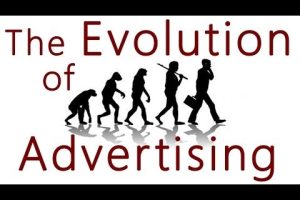
The Evolution of Advertising: From Cave Paintings to Programmatic Ads
Advertising is not a modern invention. Archaeological evidence suggests that ancient civilizations used visual symbols and oral messages to promote goods and services. However, the formalized practice we recognize today began taking shape around the 17th and 18th centuries.
Key Milestones in Advertising History
- 1472 — First Printed Ad: William Caxton printed a handbill advertising a prayer book, marking the birth of print advertising in England.
- 1704 — First American Newspaper Ad: The Boston News-Letter published an ad for an estate sale, establishing advertising’s role in colonial media.
- 1836 — Radio Advertising Begins: Radio brought advertising into homes, creating an auditory medium for brand storytelling.
- 1941 — First Television Commercial: Bulova Watches aired a 10-second spot during a baseball game on NBC, launching the era of TV advertising.
- 1994 — The First Clickable Web Ad: HotWired sold the first banner ad, signaling the digital advertising revolution.
- 2010s–Present — Programmatic & AI-Driven Ads: Automated bidding, real-time targeting, and machine learning have transformed how ads are bought, sold, and displayed.
This evolution demonstrates that advertising has always adapted to the available technology and audience behavior. Today, the emphasis is on personalization, data-driven targeting, and seamless integration into user experiences across platforms.
Types of Advertisements: A Detailed Breakdown
Advertising comes in many shapes and forms. Each type serves a unique purpose and reaches audiences through different channels. Understanding these categories helps you choose the right approach for your goals, budget, and audience.
Major Categories of Advertising
- Print Advertising: Newspapers, magazines, brochures, flyers, and direct mail. Though traditional, print still holds credibility, especially in niche markets.
- Broadcast Advertising: Television and radio commercials. These remain powerful for mass reach and emotional storytelling.
- Outdoor (OOH) Advertising: Billboards, transit ads, wall paintings, and digital screens in public spaces. Excellent for building brand awareness in specific geographies.
- Digital Advertising: Includes search ads (SEM), social media ads, display ads, video ads, native ads, and email marketing. This is the fastest-growing category globally.
- Native Advertising: Paid content designed to match the look and feel of the platform it appears on, such as sponsored articles on news websites.
- Influencer Advertising: Brands partner with social media creators to reach their followers authentically.
- Guerrilla Advertising: Unconventional, low-cost tactics that surprise and engage audiences in unexpected environments.
Choosing the Right Type for Your Campaign
Your choice depends on factors like target audience demographics, campaign objectives (awareness vs. conversion), budget constraints, and the message’s nature. For example, a local restaurant might benefit from geo-targeted social media ads and Google Business promotions, while a luxury brand launching a new fragrance could invest in high-production TV spots and influencer collaborations.
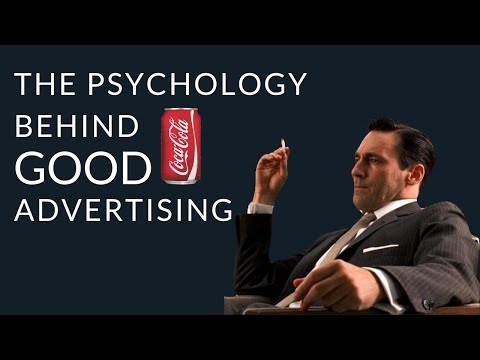
How Advertisements Work: The Psychology Behind Persuasion

Effective advertisements don’t just inform — they influence. They tap into deep psychological principles that drive human behavior. Three core frameworks dominate advertising psychology:
- The AIDA Model: Attention → Interest → Desire → Action. Ads are structured to first capture attention, build interest, create desire, and prompt a specific action like clicking, calling, or purchasing.
- Maslow’s Hierarchy of Needs: Ads often position products as solutions fulfilling safety, belonging, esteem, or self-actualization needs.
- Social Proof & Scarcity: Phrases like “limited time offer” or “over 10,000 customers served” leverage cognitive biases that compel quick decisions.
Color psychology, focal point design, clear calls-to-action (CTAs), and emotional storytelling further amplify an ad’s persuasive power. The best ads make audiences feel something before they think about buying — because emotion often precedes rational purchase justification.
Digital Advertising vs. Traditional Advertising: A Head-to-Head Comparison
| Factor | Digital Advertising | Traditional Advertising |
| Targeting Precision | Hyper-specific (demographics, behavior, interests) | Broad (regional, time-based, medium-based) |
| Cost Efficiency | Flexible budgets; pay-per-click or impression models | Generally higher upfront costs (TV spots, print runs) |
| Measurability | Real-time analytics and attribution tracking | Difficult to measure directly (estimates, surveys) |
| Engagement | Interactive; two-way communication possible | Passive consumption; limited interaction |
| Audience Reach | Global, scalable instantly | Often local or national; slower scaling |
| Trust & Credibility | Ad fatigue and skepticism can reduce trust | Print and TV still carry prestige in certain demographics |
In practice, the most successful brands rarely choose one over the other entirely. They build integrated marketing campaigns that combine digital precision with traditional credibility. For instance, a brand might run a primetime TV spot for broad awareness while simultaneously deploying retargeting ads to capture viewers who searched for the product online afterward.
Key Components of an Effective Advertisement
Regardless of medium or type, high-performing advertisements share several critical elements. Neglecting any one of these can significantly weaken your campaign’s ROI.
- A Compelling Headline: Your headline is the first thing people notice. It should communicate the core benefit or hook within seconds.
- Clear Value Proposition: Answer “Why should I care?” immediately. State what makes your product or service uniquely beneficial.
- Strong Visuals: Imagery, video, and design must align with your brand identity and grab attention in a crowded media environment.
- Persuasive Copy: Well-written copy addresses pain points, evokes emotion, and guides the reader toward action.
- Call-to-Action (CTA): Every ad should tell the audience exactly what to do next — “Shop Now,” “Sign Up,” “Learn More,” etc.
- Brand Consistency: Colors, fonts, tone, and messaging should remain recognizable across all touchpoints to build trust and recall.
Expert Tip
Test multiple variations of your ads using A/B testing. Change one element at a time — headline, image, or CTA — and let data determine which combination performs best. Top advertisers run dozens of variations before scaling a winning creative.
Benefits of Advertising for Businesses
Investing in advertising isn’t just about immediate sales. It delivers compounding strategic advantages over time:
- Brand Awareness: Repeated exposure builds familiarity, making your brand the default choice when needs arise.
- Customer Acquisition: Ads introduce your offerings to new prospects actively searching for solutions.
- Competitive Positioning: Consistent advertising helps you claim market share and differentiate from rivals.
- Lead Generation: Targeted ads capture contact information from interested prospects for nurturing.
- Customer Retention: Retargeting and remarketing ads remind existing customers about your brand, encouraging repeat purchases.
- Market Education: For new or complex products, ads educate the market about features, benefits, and use cases.
Common Advertising Metrics You Should Track
Measuring performance separates successful advertisers from those wasting budgets. Key metrics include:
- CPM (Cost Per Mille): What you pay per thousand impressions. Useful for measuring reach and brand awareness campaigns.
- CPC (Cost Per Click): What you pay each time someone clicks your ad. Critical for traffic-focused campaigns.
- Conversion Rate: The percentage of visitors who complete a desired action, such as purchasing or signing up.
- ROAS (Return on Ad Spend): Revenue generated per dollar spent on advertising. A primary indicator of profitability.
- CTR (Click-Through Rate): Clicks divided by impressions. Reflects how compelling your ad is to the target audience.
- CPA (Cost Per Acquisition): How much it costs to acquire one customer. Essential for evaluating efficiency.
Expert Tips for Creating High-Impact Advertisements
Crafting advertisements that genuinely convert requires more than creativity — it demands strategy, research, and discipline. Here are proven recommendations:
- Know Your Audience Deeply: Build detailed buyer personas using demographic, psychographic, and behavioral data. The more precisely you can define who you’re talking to, the sharper your message will be.
- Lead With Benefits, Not Features: Customers care about outcomes. Instead of “50GB storage,” say “Never worry about running out of space again.”
- Keep Loading Speed Fast: In digital advertising, slow-loading landing pages kill conversions. Optimize images, scripts, and server response times.
- Use Emotional Triggers: Ads that evoke joy, surprise, nostalgia, or even mild urgency outperform purely informational ones in most categories.
- Leverage Retargeting: Most visitors don’t convert on the first visit. Retargeting ads bring them back with tailored messaging based on their browsing behavior.
- Monitor Ad Fatigue: Rotate creatives regularly. Audiences exposed to the same ad repeatedly lose interest, and performance drops sharply.
- Stay Compliant: Privacy regulations like GDPR and CCPA affect how you collect and use data for targeting. Ensure your campaigns remain legally compliant to avoid penalties.
Frequently Asked Questions (FAQs)
What is the difference between advertising and marketing?
Marketing is the comprehensive process of researching, planning, and promoting products to target audiences. Advertising is a subset of marketing — specifically, it refers to paid public communications designed to promote a brand, product, or service. Think of marketing as the entire strategy and advertising as one tactical channel within it.
How much should a small business spend on advertising?
General guidelines suggest allocating 7–12% of gross revenue to marketing and advertising for small businesses. However, this varies by industry, competition, and growth stage. Startups often spend more aggressively to build awareness, while established firms may focus on retention and efficiency.
What makes an advertisement effective?
An effective ad combines a clear message, strong visuals, an emotional hook, and a compelling call-to-action — all aligned with the target audience’s needs and preferences. Measurability and continuous optimization further separate good ads from great ones.
What is native advertising and how does it differ from display ads?
Native advertising is paid content designed to blend seamlessly with the surrounding editorial or user experience — such as sponsored articles or in-feed social media posts. Display ads, by contrast, are typically visual banners or images placed in fixed positions that are clearly identifiable as promotional content.
Beginners can start by creating a business account on platforms like Facebook, Instagram, or TikTok, setting a modest daily budget, defining a target audience based on interests and demographics, and choosing an objective like brand awareness or conversions. The platform’s automated tools will then deliver your ad to the most relevant users.
Viral ads typically combine novelty, strong emotion, cultural relevance, and shareability. They often tap into current trends or social conversations. Failed ads may lack clarity, feel inauthentic, or alienate their audience. Humor and surprise are proven catalysts, but they must align with brand identity to avoid backlash.
Conclusion
Advertising is far more than placing a message in front of people — it’s a strategic discipline that blends creativity, psychology, data analysis, and technology to move audiences from awareness to action. Whether you’re exploring print, digital, broadcast, or emerging formats like augmented reality ads, the foundational principles remain consistent: know your audience, deliver genuine value, and measure everything. As the advertising landscape continues to evolve with artificial intelligence, voice search, and shifting privacy regulations, staying informed and adaptable is essential. Use the insights in this guide as your foundation, experiment boldly, and let performance data guide your decisions forward.