


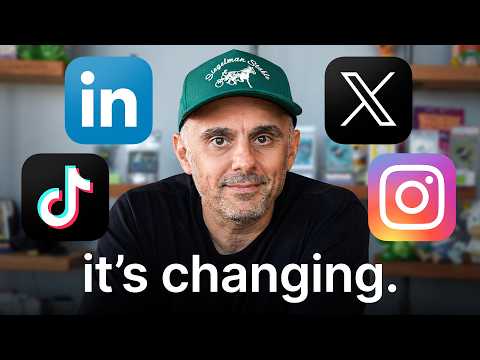
Advertising through social media has transformed the way businesses connect with their audiences, turning casual scrollers into loyal customers and brands into household names. Whether you are a small startup experimenting with your first paid social campaign or a global enterprise managing dozens of ad accounts, understanding the nuances of social media advertising is no longer optional — it is essential. In this comprehensive guide, we will walk you through everything from foundational concepts and platform selection to advanced targeting strategies and real-world expert tips that can elevate your ad performance. If you have been searching for a clear, actionable roadmap to master social media marketing and run profitable campaigns, you are in the right place.
What Is Advertising Through Social Media?
Social media advertising refers to the practice of using paid promotional content on platforms like Facebook, Instagram, LinkedIn, TikTok, and X to reach specific audiences. Unlike organic social media posting, which relies on free distribution and algorithmic reach, social media ads allow you to target users based on demographics, interests, behaviors, and even past purchase activity. This level of precision makes paid social advertising one of the most powerful tools in any modern marketer’s toolkit. The best part? You can start with modest budgets and scale campaigns as you gather data and optimize performance.
Why Social Media Advertising Drives Real Business Results
Traditional advertising channels like television and print still have a place, but social media platforms offer something those legacy mediums cannot — granular measurability and real-time optimization. When you invest in social media ad campaigns, you gain access to detailed analytics dashboards that show exactly how much each click, impression, and conversion costs. This transparency allows you to allocate your advertising budget more intelligently and eliminate wasted spend. Additionally, social platforms collect vast amounts of first-party user data, which powers sophisticated ad targeting that connects your message with the people most likely to engage.
Consider these compelling reasons to prioritize social media advertising in your marketing mix:
- Highly targeted reach — define your audience by age, location, interests, job title, and custom data segments.
- Scalable budgets — start with as little as a few dollars per day and increase spend based on proven ROI.
- Diverse ad formats — images, videos, carousels, stories, reels, and interactive polls all drive engagement differently.
- Real-time optimization — adjust targeting, creative, and bidding strategies instantly based on performance data.
- Direct conversion paths — users can tap a call-to-action button and land on your website, product page, or checkout in seconds.
Choosing the Best Platforms for Your Social Media Ad Campaigns
Not every social platform delivers the same value for every business. The key to a successful advertising strategy is selecting the platforms where your target audience spends the most time and aligning your creative approach with each platform’s unique culture and format.
Facebook and Instagram Advertising
Facebook and Instagram share the same advertising infrastructure through Meta Ads Manager, making them a natural pairing for businesses looking to maximize their reach. Facebook excels at reaching broad audiences across older demographics, while Instagram dominates among younger users who value visual storytelling. Together, they give advertisers access to over three billion monthly active users and incredibly granular targeting options. Whether you are running a lead generation campaign, promoting an e-commerce store, or building brand awareness, the Meta ecosystem provides the tools and data you need to succeed.
LinkedIn for B2B Social Media Advertising
If your business sells products or services to other businesses, LinkedIn is arguably the most powerful social advertising platform available. Sponsored content, InMail ads, and dynamic ads on LinkedIn let you target decision-makers by job title, company size, industry, and even specific companies. The cost per click on LinkedIn tends to be higher than on Facebook or Instagram, but the quality of leads generated is often significantly better because you are reaching professionals in a business mindset. For SaaS companies, consulting firms, and enterprise service providers, LinkedIn ads frequently deliver some of the highest conversion rates in paid social.

TikTok and YouTube Ads
Video-first platforms have become indispensable for brands that want to tell compelling stories and capture attention quickly. TikTok’s short-form video format and algorithm-driven discovery engine make it ideal for viral content and reaching Gen Z and millennial audiences. YouTube, as the world’s second-largest search engine, offers unmatched reach and the ability to target users based on search intent, viewing history, and demographic data. Both platforms support skippable and non-skippable ad formats, giving advertisers flexibility in how they present their messages.
How to Build a Winning Social Media Advertising Strategy
Building a high-performing social media ad strategy requires more than just boosting a post or setting a daily budget. It demands careful planning, creative excellence, and a commitment to ongoing optimization. Follow these steps to create campaigns that deliver measurable results.
- Define clear campaign objectives. Before you open any ad platform, identify what you want to achieve — brand awareness, website traffic, lead generation, app installs, or direct sales. Each objective requires different creative approaches and success metrics.
- Research your target audience deeply. Use platform insights, customer surveys, and competitor analysis to understand your ideal customer’s pain points, preferences, and online behaviors. The more specific your audience definition, the better your ad relevance and performance.
- Craft compelling ad creative. Your visuals and copy must stop the scroll and communicate value within the first two seconds. Test multiple variations of headlines, images, and calls to action to identify what resonates best.
- Set realistic budgets and bidding strategies. Start with a test budget that allows you to collect statistically meaningful data. Use automatic bidding initially, then transition to manual control as you learn which signals drive conversions.
- Monitor, analyze, and iterate. Review your campaigns daily during the first week, then weekly thereafter. Pause underperforming ads, scale winning combinations, and continually refine your targeting based on accumulated data.
Platform Comparison: Social Media Advertising Tools and Features
To help you evaluate which platforms deserve your advertising budget, here is a detailed comparison of the major social media advertising options available today.
| Platform | Best For | Average CPM | Key Targeting Features | Top Ad Formats |
| Facebook / Instagram | Brand awareness, e-commerce, lead gen | $5 – $12 | Interest, behavior, lookalike, custom audiences | Image, video, carousel, story, reels |
| B2B lead generation, recruiting | $15 – $40 | Job title, company, industry, skills | Sponsored content, InMail, text ads | |
| TikTok | Youth engagement, viral reach | $10 – $20 | Interest, device, location, custom segments | In-feed video, branded hashtag, top view |
| YouTube | Product demos, search-driven intent | $8 – $15 | Keywords, topics, placements, remarketing | Skippable in-stream, non-skippable, bumper |
| X (Twitter) | Real-time conversations, news, events | $6 – $10 | Keywords, followers, interests, events | Promoted tweets, trends, accounts |

Advanced Techniques and Expert Recommendations
Once you have the basics down, implementing advanced strategies can give your campaigns a significant performance edge. Here are several techniques that experienced social media advertisers rely on to maximize results.
Leverage retargeting and custom audiences. One of the most powerful advantages of social media advertising is the ability to reach people who have already interacted with your brand. Upload your customer email list to create a custom audience, then serve tailored ads to warm prospects who are closer to making a purchase decision. Lookalike audiences extend this concept by finding new users who share similar characteristics with your best existing customers.
A/B test everything. Creative fatigue is a real threat in paid social advertising. Rotate ad creatives every seven to fourteen days and always run split tests on headlines, images, audience segments, and calls to action. Even small improvements in click-through rate or cost per conversion can compound into significant revenue gains over time.
Integrate social ads with your broader marketing funnel. Your social media advertising efforts should not exist in isolation. Align your ad campaigns with email sequences, landing page experiences, and post-purchase follow-up strategies to create a seamless customer journey from initial awareness through repeat purchase.
Prioritize ad quality and relevance scores. Platforms like Facebook and LinkedIn reward ads with high engagement rates and positive user feedback by lowering your cost per result. Invest in native-feeling creative that matches the organic content style of each platform, and avoid overly salesy messaging that can trigger ad fatigue and negative feedback.
Common Mistakes in Paid Social Advertising
Even seasoned marketers fall into traps that drain budgets and underdeliver results. Here are the most common mistakes to avoid when advertising through social media:
- Neglecting audience research. Broad targeting without a clear persona leads to wasted impressions and poor conversion rates.
- Using low-quality visuals. Blurry images, generic stock photos, and unoptimized video formats immediately reduce ad performance and credibility.
- Ignoring mobile optimization. The majority of social media users access platforms on mobile devices, so your ad creative and landing pages must be designed for small screens.
- Setting and forgetting campaigns. Social advertising requires active management. Campaigns left unattended will gradually lose relevance and inflate costs.
- Focusing only on clicks. Vanity metrics like impressions and clicks matter less than conversions and return on ad spend. Always align your reporting with business outcomes.
Conclusion
Advertising through social media offers unmatched opportunities for businesses of every size to reach their ideal customers with precision, creativity, and measurable impact. From selecting the right platforms and building compelling creative to implementing advanced retargeting and continuous optimization, the strategies outlined in this guide provide a solid foundation for success. The social media advertising landscape is constantly evolving, with new features, formats, and targeting capabilities emerging regularly. The brands that thrive will be those committed to staying curious, testing boldly, and always putting the user experience at the center of their ad strategy. Start implementing these principles today, and watch your social media ad campaigns transform from generic promotions into powerful growth engines for your business.
Frequently Asked Questions
What is the best social media platform for advertising in 2025?
The best platform depends entirely on your target audience and business goals. Facebook and Instagram remain dominant for B2C brands and e-commerce, LinkedIn is unmatched for B2B lead generation, TikTok excels at reaching younger demographics with creative video content, and YouTube is ideal for longer-form product education and search-driven intent campaigns.
How much should I budget for social media advertising?
There is no one-size-fits-all answer, but most businesses start with a daily budget of $20 to $50 per platform for testing purposes. Once you identify winning campaigns, you can scale spend incrementally. The key is to let each campaign run long enough to collect statistically significant data before making budget decisions.
What is the difference between organic social media and paid social advertising?
Organic social media refers to free content you post on your profiles to engage followers, while paid social advertising involves spending money to promote content to targeted audiences beyond your existing followers. Paid social provides significantly greater reach, precise targeting capabilities, and direct conversion tracking that organic methods alone cannot match.
How long does it take to see results from social media ads?
Initial performance data typically becomes available within 48 to 72 hours of launching a campaign, but meaningful optimization usually requires at least two to four weeks of data collection. Statistical significance and reliable conversion patterns need sufficient volume, so patience and consistent monitoring are critical during the early stages of any paid social campaign.
Can small businesses benefit from social media advertising?
Absolutely. Social media advertising is one of the most accessible and cost-effective marketing channels for small businesses. Platforms like Facebook and Instagram allow you to reach highly specific local audiences with daily budgets as low as $5. The key advantage is that small businesses can compete with larger brands by creating authentic, creative content that resonates with niche communities.