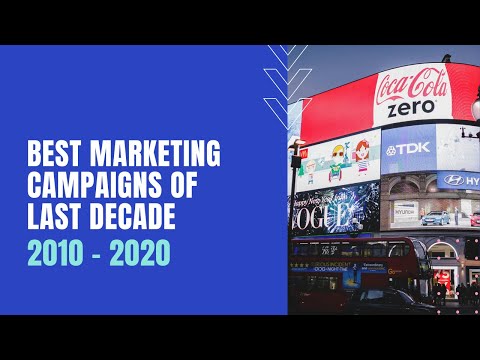
In today’s hyper-competitive marketplace, a brand advertising campaign is no longer just a luxury reserved for Fortune 500 companies. Whether you are a startup founder testing your first campaign or a seasoned marketing director scaling a global effort, understanding how brand advertising campaigns work at a strategic, creative, and tactical level is the difference between wasted spend and exponential growth. Unlike direct response advertising, which chases immediate conversions, a brand advertising campaign builds awareness, trust, and emotional equity that compounds over time. This deep-dive guide walks you through every critical layer—from campaign architecture to measurable outcomes—so you can craft advertising efforts that resonate with your audience and deliver lasting business value.
What Is a Brand Advertising Campaign?
At its core, a brand advertising campaign is a coordinated, time-bound series of marketing activities designed to shape perception, build recognition, and foster long-term affinity for a product, service, or company. These campaigns leverage storytelling, visual identity, and emotionally compelling messaging across multiple channels to reach target audiences where they already spend their attention. The primary goal isn’t always to drive an immediate sale—it is to embed your brand into the consciousness of consumers so that when a purchase decision arises, your name is the first that comes to mind.
Successful brand advertising campaigns blend creativity with data-driven strategy. They incorporate audience insights, competitive positioning, and channel optimization to deliver a unified message that feels authentic rather than intrusive. Think of campaigns from brands like Nike’s “Just Do It” narrative or Apple’s “Think Different” series—these weren’t one-off advertisements but sustained campaign efforts that defined entire market categories.
Why Brand Advertising Campaigns Matter for Long-Term Growth
Many business leaders ask, “Can’t we just run performance ads and call it a day?” The answer is nuanced. Performance marketing excels at capturing demand that already exists, but brand advertising campaigns create demand by making your brand culturally relevant, emotionally memorable, and top-of-mind.
Here is why investing in brand campaigns is critical:
- Customer Lifetime Value Increases: Consumers who recognize and trust your brand tend to purchase more frequently and spend more per transaction.
- Pricing Power Strengthens: Strong brand equity allows you to command premium pricing without losing market share.
- Competitive Moat Widens: A well-executed campaign makes it harder for competitors to poach your audience, because loyalty is built on perception, not just price.
- Organic Referrals Multiply: When people feel emotionally connected to your brand, they share it organically—reducing customer acquisition costs over time.
- Crisis Resilience Improves: Brands with high awareness and positive sentiment recover faster from public relations challenges.
Types of Brand Advertising Campaigns
Not every brand campaign looks the same. The format you choose depends on your audience, budget, and strategic objectives. Below are some of the most impactful formats used in modern brand advertising today.
Television and Streaming Brand Campaigns
Linear TV and streaming platforms remain powerful vehicles for brand awareness. A well-placed television spot during a major event or a targeted CTV (Connected TV) placement can reach millions of viewers in a single flight. The key advantage is the sheer scale of attention television commands—viewers are more receptive to brand storytelling when they are in a lean-back, passive consumption mode.
Digital-First Brand Advertising
Digital brand campaigns now dominate the landscape because they offer unmatched targeting precision, real-time optimization, and rich engagement data. Formats include display banners, in-feed video on social platforms, branded content partnerships, influencer collaborations, and immersive experiences like interactive landing pages or AR filters.
Out-of-Home (OOH) and Experiential Campaigns
Billboards, transit advertising, and experiential activations—such as pop-up installations or sponsored events—create physical touchpoints that digital channels cannot replicate. These tactile experiences drive shareable social moments and deepen brand recall.
Key Components of a Successful Brand Advertising Campaign
Building a campaign that actually moves the needle requires disciplined attention to several foundational components:
- Clear Brand Positioning Statement: Before any creative work begins, you need to articulate what makes your brand different and why it matters to your audience. This statement becomes the North Star for every decision in the campaign.
- Audience Segmentation and Insight Research: Effective campaigns are built on deep understanding of audience psychographics, not just demographics. Use tools like social listening, survey data, and qualitative research to uncover what drives your audience’s emotions and behaviors.
- Compelling Creative and Storytelling: The creative assets must tell a story that connects with your audience’s values. Great brand campaigns evoke feeling—whether it is inspiration, humor, nostalgia, or belonging.
- Strategic Channel Mix: Choose channels where your audience is most active and receptive. A multichannel approach typically outperforms single-channel efforts because it reinforces the message through repeated exposure across different contexts.
- Measurement Framework: While brand campaigns are harder to attribute directly, you should still track metrics like aided brand awareness, ad recall, share of voice, sentiment analysis, and brand search lift.
Brand Advertising vs. Direct Response Campaigns
Understanding the distinction between brand advertising and direct response is essential for allocating your marketing budget wisely. Below is a comparison table that highlights the key differences.
| Dimension | Brand Advertising Campaign | Direct Response Campaign |
| Primary Goal | Build awareness, affinity, and long-term perception | Drive immediate action like clicks, leads, or purchases |
| Success Metrics | Brand recall, aided awareness, sentiment | Click-through rate, conversion rate, cost per acquisition |
| Time Horizon | Long-term (weeks to months) | Short-term (days to weeks) |
| Creative Focus | Emotional storytelling, visual identity | Clear call-to-action, offer-driven messaging |
| Attribution | Indirect, modeled | Direct, trackable |
| Budget Allocation | Top-of-funnel, broad reach | Bottom-of-funnel, targeted conversion |
The most sophisticated marketing teams run both types in parallel—using direct response to capture immediate revenue while brand campaigns build the pipeline that fuels sustained demand. The two strategies are complementary, not competing.
Practical Steps to Build a Winning Brand Advertising Campaign
If you are ready to launch your next brand advertising campaign, follow this actionable roadmap:
- Define Your Campaign Objective: Be specific. Are you trying to increase unaided awareness by 15% in your primary market? Shift brand perception among millennials? Launch a new product line with a cohesive narrative? Write down the objective before anything else.
- Research Your Audience and Competitors: Conduct a competitive audit to identify gaps in messaging, tone, and channel presence. Use audience segmentation tools to map out the personas you want to influence most.
- Develop Your Creative Concept: Work with creative teams to develop a concept that is distinctive, relevant, and scalable across formats. The concept should be adaptable for social media cutdowns, display ads, video spots, and OOH placements.
- Select Your Channels and Build the Media Plan: Allocate budget across channels based on audience reach, cost efficiency, and alignment with your creative format. Consider a mix of digital display, social video, streaming, and OOH for maximum impact.
- Launch, Monitor, and Optimize: Once the campaign is live, monitor performance daily during the first week. Use A/B testing on creative variations and adjust targeting based on early engagement signals.
- Evaluate and Document Learnings: After the campaign concludes, analyze results against your KPIs. Document what worked, what didn’t, and what you would change for the next iteration. This institutional knowledge accelerates future campaigns significantly.
Expert Tips and Common Mistakes to Avoid
Drawing from years of industry experience, here are some expert-level recommendations that separate high-performing campaigns from mediocre ones:
- Don’t chase virality at the expense of relevance. A campaign that everyone talks about but doesn’t connect to your brand values will generate noise without lasting value.
- Invest in frequency. One exposure rarely moves the needle. Research suggests that audiences need multiple touchpoints—often five or more—before brand messaging begins to stick.
- Align brand campaigns with business milestones. Launch a brand campaign in sync with product launches, seasonal peaks, or market expansions for maximum reinforcement.
- Avoid message inconsistency. If your brand campaign sends one signal across TV but a completely different one on social, you dilute the impact and confuse your audience.
- Neglecting post-campaign analysis. Many brands launch campaigns and move on. The most successful teams treat each campaign as a learning opportunity and feed insights back into strategy.
Frequently Asked Questions (FAQs)

What is the primary difference between a brand advertising campaign and a performance advertising campaign?
A brand advertising campaign focuses on building long-term awareness, perception, and emotional connection with your audience, while a performance campaign is designed to generate immediate, measurable actions such as clicks, sign-ups, or purchases. Brand campaigns sit at the top of the marketing funnel and create the demand that performance campaigns later convert.
How long should a brand advertising campaign run for optimal results?
The ideal duration depends on your objectives and budget, but most effective brand campaigns run for a minimum of eight to twelve weeks. This duration allows sufficient frequency for the messaging to break through audience noise and begin building meaningful recognition. Longer-running campaigns that sustain consistent exposure tend to deliver the strongest brand equity gains over time.
What budget is needed to run an effective brand advertising campaign?
There is no one-size-fits-all answer because budgets vary dramatically by industry, geography, and channel mix. A small business might allocate $5,000 to $15,000 for a focused digital brand campaign, while a national brand may invest several million dollars across television, digital, and OOH. The key is to allocate enough to achieve meaningful frequency and reach across your target audience segments.
Which metrics should I use to measure the success of a brand advertising campaign?

Key metrics include aided and unaided brand awareness, brand recall lift, ad recall rate, share of voice relative to competitors, sentiment analysis, and brand search volume growth. While these metrics are more challenging to attribute than direct response KPIs, advanced brand lift studies and attribution modeling can help quantify the true impact of your brand campaign on business outcomes.
Can a small business benefit from brand advertising campaigns?
Absolutely. In fact, brand advertising can be especially powerful for small businesses operating in local or niche markets. A well-executed local campaign—whether through targeted social media, community sponsorships, or regional digital display—can establish a small business as the go-to choice in its area, creating a competitive advantage that larger, more generic brands struggle to replicate at the local level.
Conclusion
Brand advertising campaigns remain one of the most powerful tools available to businesses that want to build enduring market presence, foster customer loyalty, and command premium positioning. By combining strategic audience insight, compelling creative storytelling, and disciplined multichannel execution, you can create campaigns that do more than generate impressions—they shape how people think and feel about your brand for years to come. Whether you are just beginning your brand journey or looking to refine an existing strategy, the principles outlined in this guide provide a solid foundation for building advertising efforts that deliver measurable, lasting impact. Start with clear objectives, invest in creative excellence, measure what matters, and always keep your audience at the center of every decision you make.