Email advertising campaigns remain one of the most powerful and cost-effective tools in a digital marketer’s arsenal. Unlike social media algorithms that can bury your content overnight, an email advertising campaign places your message directly into a subscriber’s inbox—right where purchase decisions and brand loyalty are formed. Whether you are a small business owner launching your first outreach or a seasoned marketer refining an existing funnel, understanding how to design, execute, and optimize email advertising campaigns can dramatically transform your results. This guide covers everything from foundational strategies to advanced tactics that separate average campaigns from those generating six-figure returns.
What Is an Email Advertising Campaign?
An email advertising campaign is a coordinated series of email messages designed to achieve a specific marketing objective—whether that is driving sales, increasing website traffic, building brand awareness, or nurturing leads through the sales funnel. These campaigns are built around a defined audience segment, a clear call-to-action, and measurable goals tracked over a set timeframe. Unlike sporadic email blasts, a structured campaign leverages sequencing, personalization, and behavioral triggers to maximize engagement and conversion rates.
The beauty of email advertising lies in its ownership model. You do not rent an audience from a platform algorithm; you own your email list. This means your deliverability, open rates, and revenue potential are directly tied to the quality of your list and the relevance of your messaging—not to the whims of a social media platform’s policy changes.
Why Email Advertising Campaigns Deliver Exceptional ROI
For every dollar spent, email marketing generates an average return of $36 to $42, depending on the industry and campaign quality. This staggering ROI is not accidental—it is the result of several structural advantages that email advertising holds over other channels.
Key reasons email campaigns outperform alternatives:
- Direct access: Emails land in a personal space that users check daily, bypassing social media feed clutter.
- Hyper-targeting: Segmentation allows you to tailor messages by demographics, purchase history, and engagement behavior.
- Measurability: Every metric—from open rate to revenue per email—is trackable in real time.
- Low cost per impression: Unlike paid search or social ads, email does not require ongoing spend for each contact reached.
- Scalability: A single campaign can reach 100 or 100,000 subscribers with minimal incremental cost.
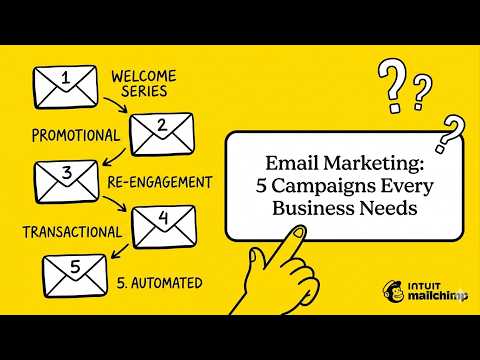
Types of Email Advertising Campaigns You Should Be Running

Not every email strategy fits every business goal. Understanding the different campaign types helps you match the right format to the right objective.
Promotional Email Campaigns
Promotional campaigns are designed to drive immediate action—purchases, sign-ups, or event registrations. These typically feature a clear offer, a sense of urgency, and a prominent call-to-action button. Examples include flash sale announcements, discount code drops, and product launch emails. The key to success is keeping the copy concise and the value proposition front and center.
Newsletter and Content Campaigns
Newsletter campaigns focus on providing ongoing value rather than pushing a single offer. They build trust, establish topical authority, and keep your brand top-of-mind. These campaigns typically include curated industry news, blog content summaries, educational tips, or exclusive insights that make subscribers glad they signed up.
Drip and Automation Campaigns
Drip campaigns are a sequence of pre-written emails triggered by specific subscriber actions—such as signing up for a free trial, abandoning a cart, or downloading a lead magnet. These automated email advertising campaigns run on autopilot once configured, delivering the right message at the right moment without manual intervention. They are particularly effective for onboarding new subscribers, re-engaging dormant contacts, and guiding leads toward conversion.
Re-engagement and Win-Back Campaigns
When subscribers go inactive, re-engagement campaigns attempt to win them back with compelling subject lines, special incentives, or a clear “stay or go” preference center. These help you clean your list while attempting to recover lost revenue from previously engaged contacts.
How to Build a High-Performing Email Advertising Campaign
Building a campaign that consistently converts requires a methodical approach. Follow these steps to create campaigns that outperform the competition.
- Define a single campaign goal. Every email in the sequence should serve one clear objective. Vague goals lead to vague results.
- Segment your audience ruthlessly. Divide your list based on behavior, purchase history, engagement level, and demographic data. Segmented campaigns generate up to 760% more revenue than non-segmented blasts.
- Craft compelling subject lines. Your subject line determines whether your email gets opened. Use personalization tokens, curiosity gaps, and urgency without resorting to spammy tactics.
- Design for mobile first. Over 60% of emails are opened on mobile devices. Single-column layouts, large tap targets, and concise copy are non-negotiable.
- Write value-driven body copy. Every sentence should earn its place. Focus on benefits, use social proof, and include a clear, visible call-to-action.
- Test and iterate. Run A/B tests on subject lines, send times, CTAs, and email design elements to continuously improve performance.
Building Your Email List the Right Way
A campaign is only as good as the list it reaches. Build your subscriber base through ethical, permission-based methods such as lead magnets, opt-in forms on high-traffic pages, gated content, and referral incentives. Avoid purchasing email lists at all costs—they destroy deliverability, tank engagement rates, and violate anti-spam regulations like GDPR and CAN-SPAM.
Key Metrics to Track in Your Email Advertising Campaign
Data-driven optimization separates profitable campaigns from wasted effort. Monitor these metrics religiously.
- Open Rate: Indicates subject line effectiveness and sender reputation. Industry averages range from 15% to 25%.
- Click-Through Rate (CTR): Measures how compelling your content and CTAs are. A healthy CTR typically falls between 2% and 5%.
- Conversion Rate: The percentage of recipients who complete the desired action—this is the ultimate success metric.
- Bounce Rate: Tracks undeliverable emails. High bounce rates damage sender reputation over time.
- Unsubscribe Rate: A spike signals content misalignment or email frequency issues.
- Revenue Per Email: Calculates the direct financial return of each campaign, making it the most business-critical metric.
Email Advertising Campaigns vs. Other Digital Marketing Channels
Understanding where email fits in your broader marketing stack helps you allocate resources more effectively.
| Channel | Average ROI | Cost Per Contact | Audience Ownership | Best For |
| Email Advertising | $36–$42 per $1 spent | Very low | Full ownership | Conversions, retention, nurturing |
| Paid Social Ads | $2–$5 per $1 spent | Moderate to high | No ownership | Awareness, prospecting |
| Paid Search | $2–$3 per $1 spent | High (per click) | No ownership | Intent-based traffic, conversions |
| Social Media Organic | Varies widely | Low (time investment) | No ownership | Brand building, community |
This comparison highlights why savvy marketers treat email as their primary revenue channel while using social and search for top-of-funnel acquisition.
Expert Tips to Elevate Your Email Advertising Campaign Performance
1. Personalize beyond the first name. Use behavioral data to dynamically insert product recommendations, location-specific offers, or content based on past engagement. Generic “Hi {First Name}” emails are becoming table stakes.
2. Optimize send times by segment. There is no universal “best time to email.” Test different windows for different audience segments—working professionals may engage on Tuesday mornings while retail shoppers respond to evening sends on weekends.
3. Use preview text strategically. The preheader or preview text is the second line of real estate after the subject line. Treat it as an extension of your headline to boost open rates.
4. Clean your list regularly. Remove inactive subscribers who have not engaged in 90 days or more. This improves deliverability metrics and keeps your engagement data clean and accurate.
5. Leverage AMP for Email. Interactive email elements like carousels, accordions, and real-time data updates can dramatically increase engagement and reduce the need for recipients to leave their inbox.
6. Implement dark mode optimization. With over 80% of email users on some version of dark mode, ensure your email designs render beautifully on dark backgrounds using transparent images and adaptive color schemes.
Common Email Advertising Campaign Mistakes to Avoid
- Sending the same campaign to your entire list without segmentation
- Neglecting mobile optimization and responsive design
- Using misleading subject lines that hurt long-term trust and sender reputation
- Ignoring list hygiene and allowing inactive contacts to accumulate
- Failing to test across multiple email clients and devices
- Overloading emails with too many CTAs, diluting focus and conversion potential
Conclusion
Email advertising campaigns remain the backbone of profitable digital marketing because they combine direct reach, personalization, measurability, and extraordinary ROI in a single channel. Whether you are building your first welcome sequence or scaling an enterprise-level automation stack, the principles remain the same: know your audience, deliver genuine value, test relentlessly, and optimize based on data. The brands that dominate their markets are not the ones with the biggest budgets—they are the ones that treat email as a strategic asset and invest in the craft of campaign design. Start implementing these strategies today, and watch your engagement, revenue, and customer lifetime value climb steadily upward.
FAQs About Email Advertising Campaigns
How often should I run an email advertising campaign for optimal results?
Frequency depends on your audience and content quality. Most businesses find success sending between one and three campaigns per week. The key is maintaining consistency without overwhelming subscribers—always prioritize relevance over volume. Monitor your unsubscribe rate closely; if it spikes after increasing frequency, scale back and test different cadences for specific segments.
What is the ideal email list size to start a profitable advertising campaign?
You do not need thousands of subscribers to launch a profitable campaign. Even a list of 500 highly engaged contacts can generate meaningful revenue when paired with strong segmentation and compelling offers. Focus on list quality and engagement over raw subscriber count—100 active subscribers who regularly open and click will outperform 10,000 inactive contacts every time.
Can email advertising campaigns work for B2B businesses?
Absolutely. B2B email campaigns often outperform B2C in terms of conversion rates because decision-makers frequently use email for research and vendor evaluation. Nurture sequences, case study emails, webinar invitations, and personalized product demos are particularly effective in B2B email advertising campaigns when aligned with a long sales cycle and multi-touch attribution model.
What email service provider is best for running advertising campaigns?
The best platform depends on your scale and needs. Popular options include Mailchimp for small businesses, Klaviyo for e-commerce, ActiveCampaign for automation-heavy strategies, and HubSpot for integrated CRM-driven campaigns. Look for features like advanced segmentation, deliverability tools, A/B testing capabilities, and detailed analytics when selecting your email service provider.
How do I improve deliverability and avoid the spam folder in my email campaigns?
Improve deliverability by authenticating your domain with SPF, DKIM, and DMARC records, maintaining a clean and engaged subscriber list, warming up new IP addresses gradually, avoiding spam trigger words in subject lines and body copy, and consistently sending content that recipients want to engage with. Using a dedicated email sending service rather than a shared hosting SMTP server also significantly boosts inbox placement rates.
What role does AI play in modern email advertising campaigns?
Artificial intelligence is transforming email marketing by enabling predictive send-time optimization, dynamic content personalization, churn prediction, and automated subject line generation. AI-powered tools analyze behavioral patterns at scale to determine what each individual subscriber is most likely to engage with, then automatically adjusts content, timing, and frequency—turning static campaigns into intelligent, self-optimizing marketing systems that improve performance continuously without manual intervention.