


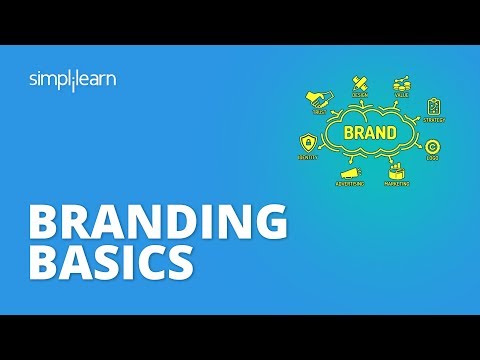
Understanding brand marketing terms is no longer optional for business owners, marketers, and entrepreneurs who want to build a recognizable and profitable identity in today’s hyper-competitive landscape. Whether you are launching your first startup or scaling a global brand, fluency in the language of branding and marketing can be the difference between blending in and standing out. This comprehensive guide breaks down essential brand marketing terminology from the fundamentals all the way to advanced strategy concepts. You will find practical definitions, real-world context, and expert tips that go far beyond generic dictionary explanations.
What Are Brand Marketing Terms and Why Do They Matter?
Brand marketing terms refer to the specialized vocabulary used across advertising, positioning, identity design, customer perception, and competitive strategy. These words and phrases form the backbone of how professionals communicate brand vision, measure performance, and execute campaigns. When you understand this terminology, you can collaborate more effectively with agencies, interpret data dashboards, and craft messaging that resonates with your target audience. More importantly, speaking the language of brand marketing builds credibility with peers, stakeholders, and clients. It signals that you are serious about strategy rather than just throwing darts at a wall.
Think of these terms as the building blocks of brand equity. Every concept—from brand awareness to perceptual mapping—serves a specific function in the larger architecture of how consumers think and feel about a company. Mastering them gives you a roadmap for decision-making that is both creative and data-driven.
Essential Brand Marketing Terms Every Beginner Should Know
If you are just getting started, these foundational terms will give you a solid vocabulary foundation. Let us walk through them one by one.
1. Brand Identity
Brand identity encompasses the visual and verbal elements that make a brand recognizable. This includes your logo, color palette, typography, tone of voice, and tagline. It is the tangible expression of what your brand stands for and how you want to be perceived by the world.
2. Brand Positioning

Brand positioning defines how your company occupies a unique space in the minds of your target audience relative to competitors. It answers the question: “Why should a customer choose us over anyone else?” Effective positioning hinges on clarity, differentiation, and relevance.
3. Brand Awareness
Brand awareness measures how familiar your audience is with your company’s name, logo, and messaging. It is often the first metric marketers track in a new campaign because without awareness, no other marketing effort can gain traction. There are two types: unaided awareness (consumers recall your brand without a prompt) and aided awareness (they recognize it when shown a list).
4. Brand Equity
Brand equity represents the added value a brand name brings to a product or service beyond its functional attributes. Companies like Apple or Nike command premium prices partly because their brand equity signals quality, trust, and emotional connection.
5. Unique Selling Proposition (USP)
A USP is the single most compelling reason a customer should buy from you. It isolates what makes your offering different and better in a way that your ideal buyer cares about deeply.
Intermediate Brand Marketing Terms That Elevate Your Strategy
Once you have the basics down, it is time to expand into concepts that bridge strategy and execution. These intermediate terms appear constantly in brand audits, campaign briefs, and performance reports.
6. Brand Archetype
Brand archetypes are universal character profiles borrowed from psychology—particularly Carl Jung’s framework—that shape a brand’s personality. Common archetypes include The Hero, The Explorer, The Sage, and The Creator. Choosing the right archetype ensures your messaging feels consistent and emotionally resonant across every touchpoint.

7. Perceptual Mapping
Perceptual mapping is a visual tool that plots your brand against competitors based on two or more consumer attributes, such as price and quality. It helps you identify gaps in the market and understand where your brand sits in the consumer’s mind relative to alternatives.
8. Brand Touchpoints
Every interaction a consumer has with your brand is a touchpoint—whether it is a social media post, a customer service call, an in-store experience, or an email newsletter. Mapping these touchpoints allows you to manage the customer journey intentionally and ensure consistency.
9. Emotional Branding
Emotional branding goes beyond features and benefits to create deep, feelings-based connections with consumers. The goal is to trigger specific emotions—nostalgia, excitement, trust, or belonging—that drive long-term loyalty and advocacy.
10. Brand Voice
Brand voice is the distinct personality and style your brand uses in all written and verbal communication. It includes word choice, sentence structure, humor level, and formality. A consistent brand voice builds familiarity and trust over time.
Advanced Brand Marketing Terminology for Professionals
For experienced marketers and strategists, these advanced concepts are critical for leading brand transformation and navigating complex competitive environments.
11. Brand Architecture
Brand architecture describes the organizational structure of a company’s portfolio of brands. There are three main models: monolithic (one master brand with sub-brands), endorsed (parent brand supports independent sub-brands), and freestanding (each brand operates independently). Choosing the right architecture affects how resources are allocated and how consumers interpret each brand in the portfolio.
12. Co-Branding
Co-branding is a strategic partnership where two brands collaborate on a product, campaign, or experience. The goal is to combine each brand’s strengths to reach a wider audience and create something neither could achieve alone. Classic examples include Nike and Apple’s collaboration on the Nike+ platform.
13. Brand Cannibalization
Brand cannibalization occurs when a new product or campaign within the same company steals sales from an existing product instead of capturing new market share. Marketers must carefully monitor this risk when launching line extensions or entering adjacent categories.
Share of voice measures how much of the total conversation in your industry belongs to your brand compared to competitors. It is a critical metric in digital marketing because it indicates whether your brand is dominating the narrative or getting drowned out.
15. Brand Salience
Brand salience refers to how quickly and easily a brand comes to a consumer’s mind when they think about a particular product category. Highly salient brands are top-of-mind, which gives them a significant advantage in purchase decisions.
Comparison Table: Brand Marketing Term Categories at a Glance
| Category | Focus Area | Example Terms |
| Identity & Perception | Visual and mental brand elements | Brand Identity, Brand Voice, Emotional Branding |
| Strategy & Positioning | Market differentiation and planning | Brand Positioning, USP, Perceptual Mapping |
| Architecture & Portfolio | How brands relate internally | Brand Architecture, Co-Branding, Cannibalization |
| Performance & Measurement | Tracking brand health over time | Brand Awareness, Share of Voice, Brand Salience |
| Engagement & Experience | Customer interactions and journey | Brand Touchpoints, Brand Archetype |
Expert Tips for Mastering Brand Marketing Vocabulary
- Build a personal glossary. Create a living document where you define each term in your own words. Active recall accelerates retention far more than passive reading.
- Practice in real contexts. Apply new terminology to your current campaigns or competitors you admire. Ask yourself: “How would I describe this brand’s positioning using proper marketing language?”
- Read brand case studies regularly. Publications like Brand Quarterly, AdAge, and McKinsey’s marketing reports are rich with real-world applications of these terms.
- Attend workshops and webinars. Many digital marketing conferences include brand strategy tracks where these terms are used naturally and repeatedly.
- Teach others. Explaining a concept like brand salience to a colleague forces you to understand it deeply enough to make it simple—a powerful learning technique.
Frequently Asked Questions About Brand Marketing Terms
What is the difference between brand marketing terms and general marketing jargon?
Brand marketing terms specifically focus on the identity, perception, positioning, and equity dimensions of a company. General marketing jargon covers a broader range including SEO, paid acquisition, email automation, and conversion optimization. While there is overlap, brand marketing vocabulary centers on how a brand lives in the consumer’s mind over time.
How can small business owners use brand marketing terminology effectively?
Start with the basics—brand identity, positioning, and USP—and apply them to your messaging, visual assets, and customer interactions. Even a small bakery or local service provider benefits from articulating what makes their brand different and why customers should care. Use these terms in your internal briefings and creative requests to ensure everyone on your team is aligned.
For social media, terms like brand voice, brand touchpoints, share of voice, and emotional branding are especially critical. Social platforms are where brand voice gets tested in real time, where touchpoints multiply rapidly, and where share of voice determines whether you are being noticed or ignored in your niche.
Can understanding brand marketing terms help with a brand refresh or rebrand?
Absolutely. A rebrand without a strong vocabulary is just a visual redesign. Understanding terms like brand architecture, perceptual mapping, and brand equity helps you make strategic decisions about what stays, what changes, and how the new brand will be positioned competitively in the marketplace.
What role does brand salience play in purchase decisions?
Brand salience determines whether your brand is even considered during the decision-making process. If consumers do not think of your brand when they need your product, no amount of advertising spend will convert them. Higher salience means your brand is triggered by relevant cues automatically, giving it a massive advantage at the point of choice.
Final Thoughts: Turn Brand Marketing Vocabulary Into Competitive Advantage
Mastering brand marketing terms is not about memorizing definitions—it is about developing the strategic fluency that allows you to build, protect, and grow brands with confidence. From the foundational concepts of brand identity and awareness to the sophisticated frameworks of brand architecture and salience, every term on this list serves a purpose. Use them in your daily work, in your team communications, and in your client conversations. Over time, this vocabulary will become second nature, and you will find yourself thinking more strategically, communicating more clearly, and executing with greater precision. The brands that win are not just the ones with the best products—they are the ones with the most articulate and cohesive understanding of their own identity.